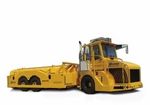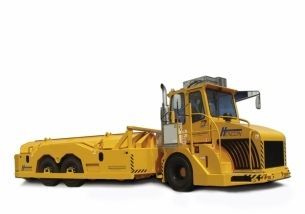
Anode Pallet Transport Vehicle Overview: Features, Benefits, and Applications
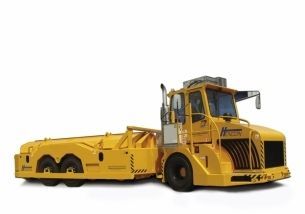
An anode pallet transport vehicle is a type of equipment used in industrial environments to move heavy palletized materials, particularly in sectors such as metal processing, battery manufacturing, and chemical production.
These vehicles are designed to carry large and often heavy loads, including anode materials, between different stages of production or storage areas.
In modern factories, the use of pallet transport vehicle industrial systems has become more common due to increasing demand for efficiency and consistency. These systems can be manual, semi-automated, or fully automated depending on the level of integration required. As industries move toward automation, automated pallet transport systems are playing a growing role in simplifying logistics and reducing manual effort.
Industrial pallet transport vehicles are typically built to handle demanding conditions. They may operate on fixed tracks, follow programmed routes, or use sensors and navigation technologies. In some setups, automated guided pallet vehicles move materials without human intervention, contributing to smoother workflows and reduced delays.
Importance
The importance of pallet transfer vehicles lies in their ability to streamline material movement within industrial facilities. Moving heavy pallets manually or with basic tools can be time-consuming and physically demanding. By using heavy duty pallet transport vehicles, industries can reduce physical strain on workers and improve operational efficiency.
These systems are especially useful in environments where materials need to be transported frequently and consistently. For example, in battery production, anode material handling equipment ensures that sensitive materials are moved safely between processing stages. This reduces the risk of damage and helps maintain product quality.
Material handling automation solutions also support better organization within factories. When goods are transported in a structured and automated manner, it becomes easier to track inventory and manage workflows. Smart factory pallet handling systems are increasingly being adopted to support digital manufacturing environments.
Key benefits include:
- Improved efficiency: Faster and more consistent material movement
- Enhanced safety: Reduced need for manual lifting and handling
- Better space utilization: Organized transport routes and storage areas
- Reduced operational interruptions: Continuous and predictable workflows
Recent Updates
Recent developments in industrial logistics automation vehicles reflect the broader shift toward digital and connected manufacturing systems. One noticeable trend is the integration of advanced navigation technologies in automated guided pallet vehicles. These include laser guidance, vision systems, and real-time mapping, allowing vehicles to adapt to changing environments.
Another development is the use of data analytics in pallet transport equipment suppliers’ systems. By collecting operational data, industries can monitor performance, identify inefficiencies, and improve decision-making. This aligns with the concept of smart factories, where machines communicate and optimize processes automatically.
Battery manufacturing and renewable energy sectors have also influenced innovation in anode pallet transport vehicle design. As demand for energy storage solutions grows, the need for precise and reliable material handling systems has increased. This has led to more specialized equipment tailored to handle sensitive materials.
There is also a gradual shift toward modular systems. These allow facilities to expand or modify their transport systems without major disruptions. Such flexibility is useful for industries that experience changing production demands.
Laws or Policies
Industrial equipment, including pallet transport systems, is subject to safety and operational regulations in many countries. These rules are designed to ensure that machinery operates safely and does not pose risks to workers or the environment.
In India, industrial safety guidelines are influenced by frameworks such as the Factories Act and occupational safety standards. These regulations require proper maintenance of equipment, safe operating procedures, and training for workers handling machinery like industrial pallet transport vehicles.
Automated systems must also comply with electrical and mechanical safety standards. For example, automated pallet transport systems often include emergency stop mechanisms, collision avoidance sensors, and warning systems. These features are necessary to meet safety compliance requirements.
Environmental considerations are also relevant. Some policies encourage the use of energy-efficient equipment and reduced emissions in industrial operations. As a result, many pallet transport equipment suppliers are focusing on designs that consume less energy and support sustainable practices.
Tools and Resources
Understanding and managing pallet transport systems can be supported by various tools and resources. These help industries plan, monitor, and improve their material handling processes.
Common tools include:
- Warehouse management systems (WMS): These platforms help track inventory and coordinate the movement of goods within a facility.
- Simulation software: Used to model factory layouts and test different transport system configurations before implementation.
- Fleet management systems: These tools monitor the performance of automated guided pallet vehicles, including route efficiency and maintenance needs.
- Industrial automation platforms: These integrate different machines and systems, enabling coordinated operations across production lines.
Below is a simple comparison of different pallet transport approaches:
| Transport Type | Operation Method | Typical Use Case | Level of Automation |
|---|---|---|---|
| Manual pallet trucks | Human-operated | Small warehouses and short distances | Low |
| Semi-automated vehicles | Assisted operation | Medium-scale industrial facilities | Moderate |
| Automated guided pallet vehicle | Pre-programmed routes | Large factories and repetitive workflows | High |
| Fully integrated systems | Connected automation | Smart factory environments | Advanced |
These tools and systems support better planning and allow industries to adapt to changing requirements without major disruptions.
FAQs
What is an anode pallet transport vehicle used for?
An anode pallet transport vehicle is used to move palletized anode materials within industrial facilities. It is commonly found in battery manufacturing and metal processing industries where heavy materials need to be transported safely and efficiently.
How does an automated pallet transport system work?
An automated pallet transport system uses programmed routes, sensors, and navigation technologies to move pallets without manual control. Some systems rely on tracks, while others use guided navigation such as lasers or cameras.
What are the benefits of industrial pallet transport vehicles?
Industrial pallet transport vehicles help improve efficiency, reduce manual labor, and enhance safety. They also support consistent material flow and better organization within production environments.
Where are automated guided pallet vehicles commonly used?
Automated guided pallet vehicles are commonly used in large manufacturing plants, warehouses, and smart factory pallet handling systems where frequent and repetitive material movement is required.
How do pallet transfer vehicles support material handling automation solutions?
Pallet transfer vehicles are a key part of material handling automation solutions. They enable smooth and predictable movement of goods, which helps improve workflow coordination and reduces delays in production processes.
Conclusion
Anode pallet transport vehicles play an important role in modern industrial operations by supporting efficient and safe material movement. As industries adopt automation, these systems are becoming more advanced and integrated into larger production networks. Developments in navigation, data analysis, and modular design continue to shape their evolution. Understanding their function and relevance helps explain their growing presence in industrial logistics.