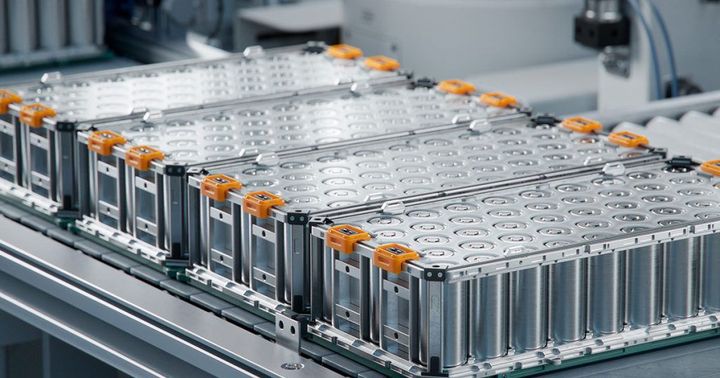
Battery Manufacturing Systems: An Overview, Guide and Key Insights
Battery manufacturing systems refer to the integrated equipment, processes, and technologies used to produce batteries for energy storage and electronic devices. These systems combine chemical processing, precision engineering, automation, and quality monitoring to transform raw materials into functional battery cells and packs.
Batteries play a central role in modern technology. They power smartphones, laptops, renewable energy storage systems, and electric mobility platforms. Because of this wide range of applications, manufacturing systems have evolved to support large-scale production while maintaining consistent performance and safety standards.
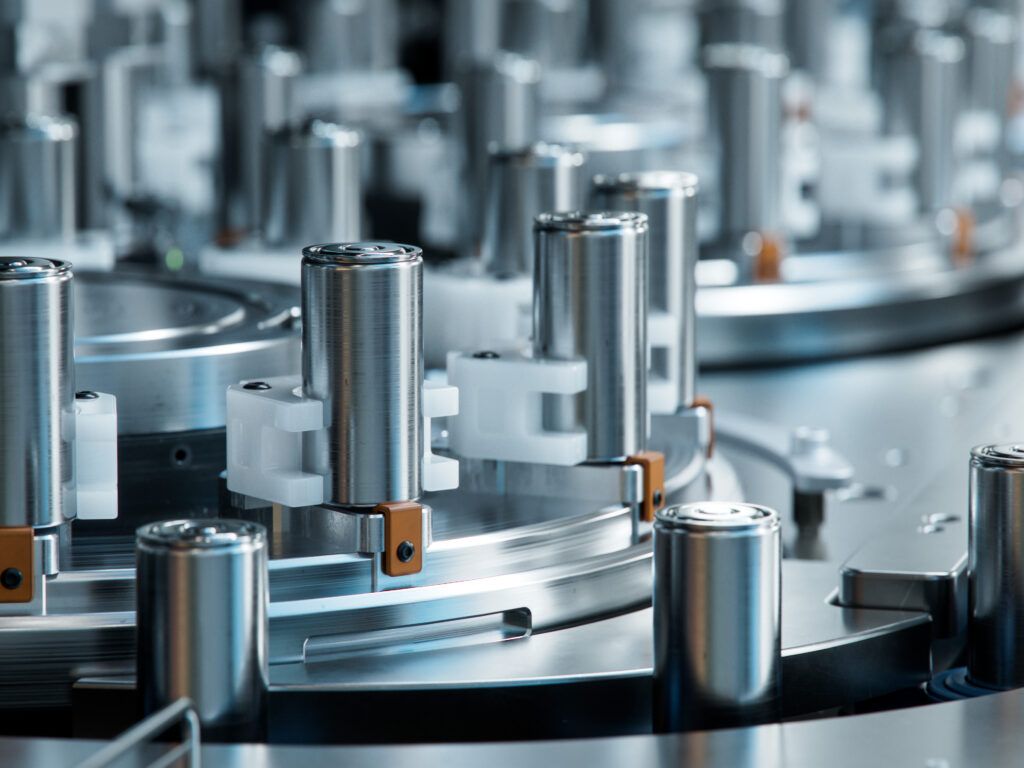
A battery manufacturing system usually includes multiple stages such as material preparation, electrode fabrication, cell assembly, electrolyte filling, formation cycling, and final testing. Each stage uses specialized machinery and monitoring tools to ensure the battery operates efficiently and safely.
Below is a simplified representation of common stages involved in battery production.
| Production Stage | Key Activities | Typical Equipment |
|---|---|---|
| Material Preparation | Mixing active materials and binders | Industrial mixers, slurry tanks |
| Electrode Production | Coating and drying electrode materials | Coating machines, drying ovens |
| Cell Assembly | Layer stacking or winding components | Stacking machines, winding machines |
| Electrolyte Filling | Adding electrolyte solution | Vacuum filling systems |
| Formation & Testing | Charging cycles and safety checks | Battery testers, formation systems |
These systems are designed to operate with high precision because small variations in materials or assembly can significantly influence battery lifespan and energy capacity.
Why Battery Manufacturing Systems Matter
The importance of battery manufacturing systems has increased as energy storage becomes essential for digital infrastructure and electrified transportation. Efficient manufacturing helps ensure batteries meet reliability, safety, and performance expectations.
One major reason this topic matters today is the global transition toward cleaner energy technologies. Renewable energy sources such as solar and wind require reliable storage systems to balance energy supply and demand. Batteries provide that storage capability, making their production infrastructure critically important.
Battery manufacturing systems also influence several industries simultaneously, including:
- Consumer electronics
- Renewable energy storage
- Electric mobility platforms
- Industrial backup power systems
- Grid stabilization technologies
Another important factor is quality control. Modern batteries must meet strict safety requirements to prevent overheating, leakage, or degradation. Manufacturing systems incorporate monitoring technologies such as automated inspection, chemical analysis, and performance testing to detect issues early.
The complexity of battery chemistry also creates technical challenges. Different battery types—including lithium-ion, solid-state, and sodium-based designs—require different manufacturing processes and equipment configurations.
Sector-wise Role of Battery Manufacturing
| Sector | Battery Application | Manufacturing Focus |
|---|---|---|
| Consumer Electronics | Phones, laptops, tablets | Compact cell design |
| Electric Mobility | Vehicle power systems | High energy density |
| Renewable Energy | Solar and wind storage | Long cycle life |
| Industrial Systems | Backup power | Reliability and durability |
These requirements shape the design of modern battery production lines and drive innovation in automation, robotics, and digital monitoring.
Recent Developments and Industry Trends
Battery manufacturing technology continues to evolve rapidly due to increased demand and advancements in material science.
Key trends observed recently include:
- Growing interest in solid-state batteries with improved safety and energy density
- Expansion of automated production systems using robotics and machine vision
- Integration of recycling technologies into manufacturing processes
- Adoption of AI-driven quality inspection systems
- Development of smart factory systems with real-time monitoring
Trend Overview
| Emerging Trend | Description | Impact |
|---|---|---|
| Solid-State Batteries | Use of solid electrolytes | Potential safety improvements |
| AI Inspection Systems | Automated defect detection | Higher accuracy |
| Recycling Integration | Recovery of key materials | Sustainability |
| Smart Manufacturing | Data-driven production systems | Efficiency improvement |
Manufacturers are also focusing on improving energy efficiency and reducing material waste across production lines.
Regulatory Framework and Policy Influence
Battery manufacturing systems operate within regulatory frameworks designed to ensure safety, environmental protection, and product performance.
Common regulatory considerations include:
- Chemical safety handling guidelines
- Environmental compliance standards
- Transportation regulations for battery products
- Recycling and material recovery requirements
- Product testing and certification procedures
Environmental policies require manufacturers to manage waste responsibly and reduce emissions. Safety certifications ensure batteries meet performance and stability standards before reaching the market.
Regulations also influence how batteries are transported and disposed of, with clear labeling and recycling guidelines becoming increasingly important.
Tools and Resources for Battery Manufacturing
A variety of tools support battery manufacturing design, monitoring, and optimization.
Common tool categories include:
- Battery simulation software for design and performance analysis
- Manufacturing execution systems (MES) for tracking production
- Data analytics platforms for performance monitoring
- Battery testing equipment for safety validation
- Lifecycle assessment tools for environmental evaluation
Tool Overview
| Tool Category | Purpose | Example Use |
|---|---|---|
| Simulation Software | Model battery performance | Design optimization |
| Monitoring Systems | Track production activity | Process efficiency |
| Testing Equipment | Evaluate safety and performance | Quality assurance |
| Data Analytics | Analyze production data | Predictive maintenance |
| Lifecycle Tools | Assess environmental impact | Sustainability planning |
Educational platforms and research publications also provide valuable insights into battery chemistry and manufacturing innovations.
Frequently Asked Questions
What is a battery manufacturing system?
A battery manufacturing system is a combination of equipment, processes, and monitoring technologies used to produce batteries. It includes stages such as electrode fabrication, cell assembly, electrolyte filling, and testing.
What materials are used in battery production?
Common materials include lithium compounds, graphite, nickel, cobalt, manganese, and electrolytes. The exact materials depend on the battery type.
How do manufacturers ensure battery safety?
Manufacturers use automated inspection systems, controlled environments, and testing procedures such as charge-discharge cycles and thermal analysis.
What role does automation play?
Automation improves precision, reduces errors, and ensures consistent quality across production lines using robotics and digital monitoring systems.
Why is recycling important?
Recycling helps recover valuable materials like lithium and cobalt, reducing environmental impact and supporting sustainable manufacturing.
Conclusion
Battery manufacturing systems form the foundation of modern energy storage technologies. By combining chemical engineering, precision manufacturing, and digital monitoring, these systems enable large-scale production of batteries used across multiple industries.
As demand for energy storage continues to grow, innovations in automation, materials, and recycling are shaping the future of battery production. At the same time, regulatory frameworks ensure that manufacturing processes remain safe, efficient, and environmentally responsible.