Biogas Production Units: An Informative Guide to Basics, Insights and Practical Knowledge
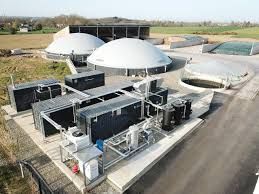
Biogas production units are systems designed to convert organic waste into usable energy through a biological process known as anaerobic digestion. In this process, microorganisms break down biodegradable materials such as food waste, animal manure, agricultural residues, and organic industrial waste in an oxygen-free environment. The result is a mixture of gases—primarily methane and carbon dioxide—commonly referred to as biogas.
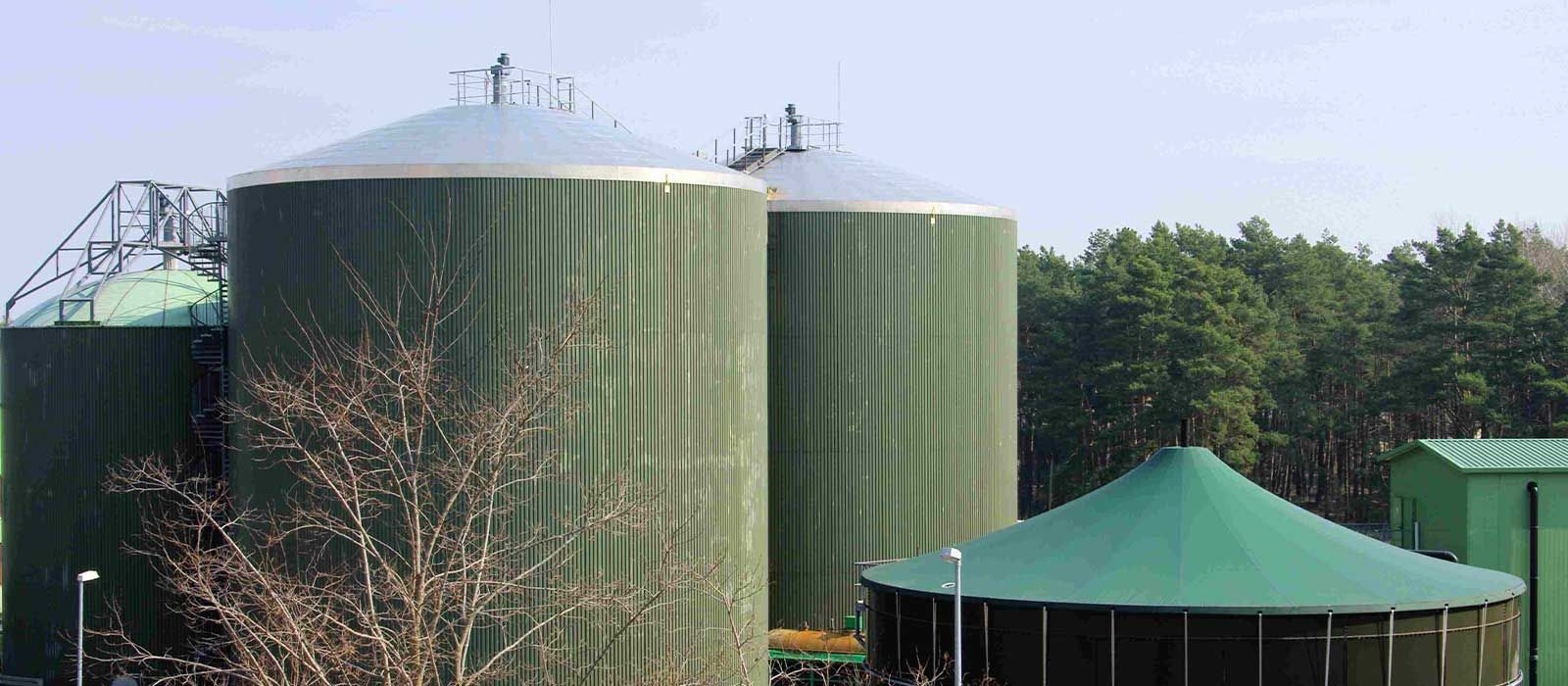
Biogas is widely recognized as a renewable energy source because it is produced from organic materials that naturally regenerate. Instead of allowing waste to decompose in landfills and release methane into the atmosphere, biogas production units capture and utilize this gas for practical energy applications.
Biogas production units are systems designed to convert organic waste into usable energy through a biological process known as anaerobic digestion. This process occurs in the absence of oxygen and is driven by microorganisms that break down biodegradable material.
Core Components of a Biogas System
A typical biogas system includes the following main parts:
- Feedstock input chamber where organic waste is added
- Digester tank where anaerobic digestion takes place
- Gas storage chamber where methane-rich gas accumulates
- Outlet for digestate, a nutrient-rich by-product used in agriculture
Biogas systems can range from small household units to large industrial-scale installations, depending on waste availability and energy requirements.
Biogas Production Cycle
| Stage | Process Description | Outcome |
|---|---|---|
| Feedstock Collection | Organic waste such as food scraps or manure is gathered | Raw biodegradable input |
| Anaerobic Digestion | Microorganisms break down waste without oxygen | Gas generation begins |
| Gas Storage | Methane-rich gas accumulates | Usable energy source |
| Digestate Output | Residual material exits the system | Nutrient-rich fertilizer |
The digestate produced contains essential nutrients like nitrogen, phosphorus, and potassium, making it valuable for soil enrichment.
Why Biogas Production Units Matter Today
Biogas systems are increasingly important in addressing global challenges related to waste management, renewable energy, and environmental sustainability.
Key contributions include:
Waste Management
Organic waste from households, agriculture, and industries can create environmental issues if not managed properly. Biogas systems convert this waste into useful energy instead of allowing it to accumulate.
Renewable Energy Generation
Biogas contains methane, which can be used for:
- Cooking
- Heating
- Electricity generation
This supports the transition toward renewable energy systems.
Greenhouse Gas Reduction
Methane is a potent greenhouse gas. Capturing it through controlled digestion prevents its release into the atmosphere, reducing environmental impact.
Circular Resource Use
Biogas production supports circular economy principles:
- Waste becomes a resource
- Energy is generated from organic material
- Digestate returns nutrients to soil
Environmental Impact Comparison
| Challenge | Biogas Solution |
|---|---|
| Organic waste buildup | Converts waste into energy |
| Methane emissions | Captures and utilizes methane |
| Fossil fuel dependence | Provides renewable alternative |
| Nutrient loss | Produces soil-enriching digestate |
Key stakeholders include:
- Agricultural communities managing livestock waste
- Food processing industries handling organic by-products
- Municipal waste management systems
- Environmental and research organizations
Recent Developments and Trends
Biogas technology has evolved significantly with growing interest in sustainable energy and waste-to-energy systems.
Key trends include:
Expansion of Waste Recycling Programs
Cities are increasing organic waste separation to divert biodegradable materials from landfills to digestion facilities.
Integration with Energy Systems
Biogas is being upgraded to biomethane and integrated into gas grids or used for electricity production.
Smart Digester Technology
Modern systems use sensors and digital tools to monitor:
- Temperature
- pH levels
- Gas production
- Methane concentration
Agricultural Applications
Farm-based digesters are gaining attention for managing manure and producing energy simultaneously.
Data-Driven Systems
Digital platforms analyze feedstock, gas output, and environmental impact to improve efficiency.
Trend Overview
| Trend Area | Description |
|---|---|
| Waste Diversion | Increased organic waste recycling |
| Energy Integration | Biogas linked to energy networks |
| Smart Monitoring | Sensor-based system optimization |
| Agricultural Systems | Farm-based digestion solutions |
| Data Platforms | Analytics for system performance |
These developments reflect the growing role of biogas in sustainable infrastructure.
Policy Frameworks and Regulatory Considerations
Biogas production operates within environmental and energy policies that guide safe and efficient system use.
Key regulatory areas include:
- Waste handling and processing standards
- Emission monitoring requirements
- Digestate management practices
- Gas storage safety protocols
Policy support often focuses on:
- Reducing landfill waste
- Promoting renewable energy adoption
- Improving agricultural waste management
- Supporting sustainable bioenergy research
These frameworks ensure that biogas systems align with environmental and safety goals.
Tools and Resources for Biogas Systems
Several tools and digital platforms help users understand and optimize biogas production.
Common tools include:
Biogas Yield Calculators
Estimate methane production based on feedstock type and quantity.
Simulation Software
Model digestion performance and predict gas output.
Environmental Assessment Tools
Evaluate greenhouse gas reduction and sustainability impact.
Monitoring Platforms
Track real-time parameters such as:
- Temperature
- Gas production rate
- pH levels
- Methane concentration
Resource Overview
| Tool Type | Purpose |
|---|---|
| Yield Calculators | Estimate energy potential |
| Simulation Models | Analyze system performance |
| Monitoring Software | Track real-time data |
| Research Databases | Access scientific studies |
These tools support efficient operation and better planning.
Frequently Asked Questions
What materials can be used in a biogas digester?
Materials include animal manure, food waste, agricultural residues, organic industrial waste, and sewage sludge.
Is biogas renewable?
Yes. It is produced from organic materials that are continuously generated, making it a renewable energy source.
What is digestate?
Digestate is the leftover material after digestion, rich in nutrients and useful for soil enrichment.
How long does the process take?
The digestion process can take several weeks depending on conditions and system design.
Can biogas generate electricity?
Yes. Biogas can be used in generators to produce electricity or refined into biomethane for energy use.
Conclusion
Biogas production units represent an effective solution for managing organic waste while generating renewable energy. By converting waste into usable fuel and nutrient-rich by-products, these systems support environmental sustainability and circular resource use.
Advancements in technology, monitoring systems, and policy support continue to improve the efficiency and adoption of biogas systems. As global focus on renewable energy and waste reduction grows, biogas remains a key component of sustainable energy strategies.