Importance
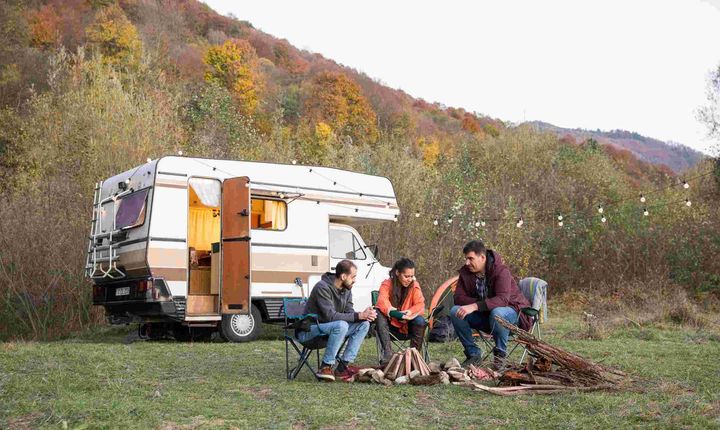
Camper vans matter today due to changing travel patterns, an increase in interest in nature-based exploration, and the need for more flexible mobility options. They are relevant for individuals, couples, and families seeking an alternative approach to travel that combines transportation and temporary living.
Their importance is shaped by four key factors:
-
Changing travel behavior
Many people prefer local and regional travel over long-distance modes. Camper vans support slow travel, scenic routes, and flexible planning.
-
Rise of mobile lifestyles
Remote work and hybrid schedules have encouraged mobile working spaces. A camper van can function as a temporary workspace or travel hub.
-
Energy-efficient mobility trends
Modern camper vans integrate solar power, energy-storage systems, sustainable materials, and efficient engines. This aligns with broader environmental goals.
-
Accessibility for diverse travellers
Some travellers prefer predictable environments for health, safety, or comfort reasons. A camper van provides a personalized and controlled travel setting.
They help address challenges such as route flexibility, accommodation dependency, access to remote destinations, and maintaining personal routines while traveling. They also reduce reliance on crowded tourist areas and encourage exploration of lesser-known regions.
Recent Updates
Several recent developments have influenced camper van usage and design.
Key trends (2024–2025):
-
Growth in compact designs
Manufacturers introduced smaller, fuel-efficient models with modular interiors suitable for urban and narrow-road travel.
-
Smart navigation integration
Advanced mapping systems with terrain analytics and route optimization became more common.
-
Renewable energy adoption
Solar panels, lithium batteries, and energy monitoring tools support off-grid travel and reduce reliance on external power.
-
Enhanced safety standards
Improvements include crash protection, fire-resistant materials, and better ventilation systems.
-
Tourism policy changes
Some regions updated overnight parking, wildlife-zone access, and waste-management regulations.
These updates show a shift toward safer, more sustainable, and technology-enabled travel experiences.
Laws or Policies
Camper van regulations vary by region but generally focus on safety, environment, and public-space use.
Common policy areas include:
-
Parking and overnight rules
Allowed mainly in designated zones, with restrictions in protected or urban areas.
-
Roadworthiness and inspections
Regular checks for brakes, lighting, emissions, and overall vehicle condition.
-
Environmental regulations
Guidelines for waste disposal, greywater handling, and emissions control.
-
Insurance and registration
Camper vans must meet specific classification and documentation requirements.
-
Energy and fuel policies
Encouragement of eco-friendly systems and cleaner energy use.
These regulations promote safe travel, environmental protection, and responsible vehicle use.
Tools and Resources
Various tools support planning, safety, and efficient camper van travel.
Navigation and route planning tools:
-
Google Maps
-
Mapy.cz Outdoor Navigation
-
Gaia GPS
-
Roadtrippers Planner
Travel and location resources:
-
iOverlander
-
Park4Night
-
National park websites
-
Road-condition portals
Energy and monitoring tools:
-
Solar energy tracking apps
-
Battery monitoring systems
-
Water usage trackers
Vehicle maintenance tools:
-
Torque Pro diagnostics
-
Vehicle health scanners
-
Tyre pressure monitoring apps
Travel support platforms:
-
Weather forecasting tools
-
Road safety advisories
-
Wildlife-zone updates
-
Tourism information portals
These tools help travelers plan routes, monitor resources, and ensure safe journeys.
Useful Table: Core Features of a Camper Van
| Feature Category | Description |
|---|
| Mobility | Compact design for varied routes |
| Energy Systems | Solar panels, battery storage, efficient wiring |
| Interior Layout | Modular furniture, sleeping areas, storage |
| Safety Components | Fire-safe materials, ventilation, monitoring systems |
| Travel Tools | Navigation apps, resource trackers, weather tools |
FAQs
What is the difference between a camper van and a motorhome?
A camper van is smaller and more compact with essential features, while a motorhome is larger and includes more extensive living amenities.
Is a special license required?
Most camper vans can be driven with a standard license if they meet weight limits. Larger vehicles may require additional licensing.
Are camper vans suitable for long-term travel?
Yes. With proper planning and resource management, they can support extended travel.
What safety factors should be considered?
Important factors include tyre condition, brakes, ventilation, fire safety, and secure interior setups.
Can camper vans be used year-round?
Yes, with proper insulation and climate-control systems, though extreme weather requires extra precautions.
Conclusion
Camper vans offer a flexible and practical approach to travel, combining mobility with independence. They support modern travel needs shaped by remote work, sustainability, and personalized experiences.
With advancements in safety, energy systems, and digital tools, camper vans are becoming more efficient and accessible. Understanding their features, regulations, and planning resources helps travelers make informed decisions and enjoy safe, well-organized journeys.