Carbon Fiber Materials in Modern Manufacturing: A Complete Guide
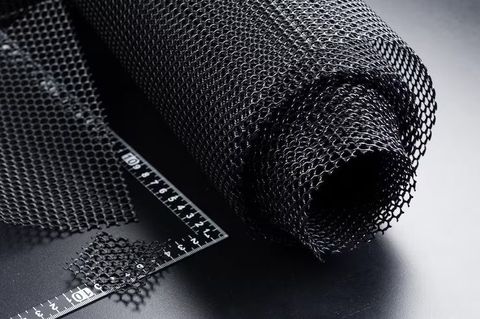
Carbon fiber is a lightweight, high-strength material made from thin strands of carbon atoms. These strands are woven together and combined with resins to create composite materials known as carbon fiber reinforced polymers (CFRP). This material was developed to address the need for stronger and lighter alternatives to traditional materials like steel and aluminum.
Modern manufacturing industries increasingly rely on carbon fiber because of its exceptional strength-to-weight ratio, corrosion resistance, and durability. It is widely used in aerospace, automotive, construction, renewable energy, and high-performance engineering sectors.
Carbon fiber manufacturing involves several steps, including precursor preparation (often from polyacrylonitrile), carbonization, surface treatment, and composite formation. These processes require precise control and advanced machinery, making carbon fiber production a specialized area within industrial manufacturing.
Importance – Why Carbon Fiber Matters Today
Carbon fiber plays a significant role in modern industrial innovation due to its unique properties and wide applicability.
Key Benefits of Carbon Fiber
- High strength with low weight
- Resistance to corrosion and chemicals
- Excellent fatigue resistance
- Thermal stability in extreme environments
These advantages make carbon fiber essential in industries focused on efficiency, performance, and sustainability.
Industries Impacted by Carbon Fiber
| Industry | Application Example | Benefit Achieved |
|---|---|---|
| Aerospace | Aircraft fuselage and wings | Reduced fuel consumption |
| Automotive | Electric vehicle components | Improved energy efficiency |
| Renewable Energy | Wind turbine blades | Increased durability |
| Construction | Structural reinforcement | Longer lifespan of buildings |
| Sports Equipment | High-performance gear | Enhanced strength and flexibility |
Carbon fiber helps solve critical problems such as reducing energy consumption, improving structural integrity, and supporting advanced engineering designs. It also contributes to sustainability by enabling lighter products that consume less energy during operation.
Recent Updates – Trends and Developments
In the past year (2025–2026), several notable trends have emerged in carbon fiber manufacturing:
Increased Use in Electric Vehicles (2025)
Manufacturers have expanded the use of carbon fiber in electric vehicles to reduce weight and extend battery efficiency. This trend is driven by the global push toward cleaner transportation technologies.
Automation in Production (Late 2025)
Advanced automation systems, including robotic layup and automated fiber placement (AFP), have improved production speed and consistency. These technologies reduce waste and enhance manufacturing precision.
Recycling and Sustainability Initiatives (2025–2026)
New methods for recycling carbon fiber composites have been introduced. These include thermal and chemical recycling processes that recover usable fibers, supporting circular economy practices.
Growth in Wind Energy Sector (2026)
Carbon fiber demand has increased in the renewable energy sector, especially for large wind turbine blades. The material’s strength allows for longer blades, improving energy output.
Cost Optimization Through Hybrid Materials
Manufacturers are combining carbon fiber with other materials such as glass fiber to balance performance and production efficiency. This approach is gaining popularity in industrial applications.
Laws or Policies – Regulatory Framework
Carbon fiber manufacturing and usage are influenced by various national and international regulations.
Environmental Regulations
Governments enforce strict environmental standards for emissions and waste management in composite manufacturing. These regulations aim to reduce the environmental impact of production processes.
Safety Standards
Industries using carbon fiber must comply with safety certifications, especially in aerospace and automotive sectors. These include testing for structural integrity, fire resistance, and durability.
Import and Export Policies
Carbon fiber materials are sometimes subject to export controls due to their use in advanced technologies and defense applications. Manufacturers must follow compliance rules when trading internationally.
Government Programs and Incentives
Some countries offer incentives for adopting lightweight and energy-efficient materials, including carbon fiber, particularly in renewable energy and transportation sectors.
Waste Management Policies
Recycling and disposal of composite materials are regulated to minimize environmental impact. Policies encourage the development of recyclable composites and sustainable manufacturing practices.
Tools and Resources for Carbon Fiber Manufacturing
Several tools and technologies support carbon fiber production and application in modern industries.
Design and Simulation Software
- CAD (Computer-Aided Design) tools for modeling carbon fiber components
- Finite Element Analysis (FEA) software for stress and performance evaluation
Manufacturing Technologies
- Automated Fiber Placement (AFP) systems
- Resin Transfer Molding (RTM) equipment
- Filament winding machines
Material Testing Tools
- Non-destructive testing (NDT) equipment
- Tensile strength testing machines
- Thermal analysis systems
Data and Monitoring Systems
- Industrial IoT platforms for real-time monitoring
- Quality control systems using AI-based inspection
Templates and Frameworks
- Standard operating procedures for composite manufacturing
- Quality assurance checklists
- Environmental compliance documentation
Frequently Asked Questions
What makes carbon fiber stronger than steel?
Carbon fiber has a higher strength-to-weight ratio than steel. While steel is strong, carbon fiber achieves similar or greater strength at a much lower weight, making it ideal for applications where weight reduction is critical.
Is carbon fiber environmentally friendly?
Carbon fiber contributes to energy efficiency in many applications, such as vehicles and wind turbines. However, its production can be energy-intensive. Recent advancements in recycling and sustainable manufacturing are improving its environmental profile.
Can carbon fiber be recycled?
Yes, carbon fiber can be recycled using thermal or chemical processes. These methods recover fibers that can be reused in various applications, although recycled fibers may have slightly reduced performance.
Why is carbon fiber used in aerospace?
Carbon fiber is used in aerospace because it reduces aircraft weight, improves fuel efficiency, and provides high structural strength. It also resists corrosion and performs well under extreme conditions.
What are the limitations of carbon fiber?
Carbon fiber can be brittle under certain conditions and may require specialized handling and design techniques. It also involves complex manufacturing processes that require advanced equipment.
Conclusion
Carbon fiber materials have become a cornerstone of modern manufacturing due to their strength, lightweight nature, and adaptability across industries. From aerospace engineering to renewable energy, carbon fiber supports innovation and efficiency in critical sectors.
Recent developments highlight a shift toward automation, sustainability, and broader adoption in emerging technologies such as electric vehicles and wind energy systems. At the same time, regulatory frameworks ensure safe and environmentally responsible use.