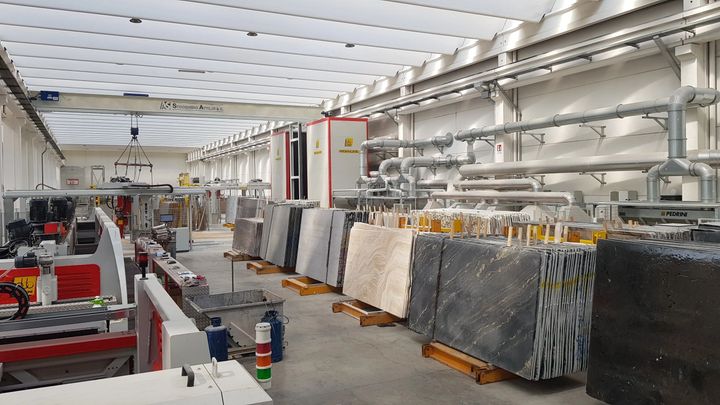
Complete Marble Processing Overview for Beginners and Professionals
Marble processing refers to the series of steps that transform raw marble blocks extracted from quarries into finished products such as slabs, tiles, and decorative elements.
This process includes cutting, shaping, and polishing the stone using specialized marble processing machinery and equipment. The marble manufacturing process is widely used in construction, interior design, and architecture due to marble’s natural patterns and durability.
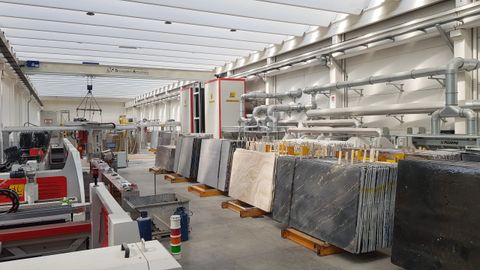
A marble processing plant is designed to handle large volumes of raw material and convert them into standardized outputs. From marble slab processing to marble tile processing, each stage ensures the material meets specific dimensions and surface requirements. Industrial marble processing involves both mechanical and manual techniques, depending on the desired finish and application.
Understanding how marble cutting and polishing works helps both beginners and professionals appreciate the complexity behind finished stone products. It also provides insight into how marble processing equipment contributes to consistency and quality in construction materials.
Importance
Marble processing plays a key role in the construction industry, especially in residential and commercial projects where aesthetics and durability are important. Marble is commonly used for flooring, wall cladding, countertops, and decorative features. The quality of marble finishing directly affects how long the material lasts and how it appears over time.
For builders and architects, properly processed marble ensures easier installation and fewer defects. Marble polishing services for builders help achieve smooth surfaces that resist stains and wear. Inconsistent processing can lead to cracks, uneven surfaces, or reduced structural strength.
This topic also matters for industries that rely on precision materials. Granite and marble processing equipment is used in large-scale projects such as airports, hotels, and public infrastructure. Efficient marble processing reduces material waste and improves resource utilization, which is important in modern construction practices.
Recent Updates
Recent trends in marble processing show a shift toward automation and digital control systems. Many marble processing companies now use computer-controlled machines to improve accuracy during cutting and polishing. These systems help reduce manual errors and maintain uniform thickness in marble slabs.
Sustainability has also become a focus area. Industrial marble processing facilities are adopting water recycling systems to reduce consumption during marble cutting and polishing. Dust control technologies are being used to limit airborne particles, improving workplace safety.
Another noticeable trend is the integration of multi-functional marble processing machinery. These machines can perform cutting, shaping, and polishing in a single workflow, reducing processing time. Additionally, there is growing interest in customized marble finishing processes, allowing designers to create unique textures and patterns.
Laws or Policies
Marble processing is regulated by environmental and industrial guidelines in many countries, including India. These regulations aim to control pollution, ensure worker safety, and manage natural resource extraction.
Key regulatory aspects include:
- Environmental clearance: Marble processing plants must comply with pollution control norms related to water discharge and air quality.
- Waste management rules: Slurry generated during marble cutting must be treated or disposed of according to local environmental policies.
- Worker safety standards: Industrial marble processing units are required to provide protective equipment and maintain safe working conditions.
- Mining regulations: The extraction of raw marble blocks is governed by mining laws that control quarry operations.
These policies influence how marble processing equipment is designed and operated. Companies must adopt compliant practices to meet regulatory requirements and avoid operational disruptions.
Tools and Resources
Various tools and platforms support efficient marble processing and help professionals manage operations more effectively. These resources are used across different stages of the marble manufacturing process.
Machinery and Equipment
Common marble processing equipment includes:
- Cutting machines: Used for slicing raw blocks into slabs with precise dimensions.
- Polishing machines: Enhance surface smoothness and shine during the marble finishing process.
- Edge profiling tools: Shape edges for decorative or functional purposes.
- Calibration machines: Ensure uniform thickness in marble tile processing.
Digital Tools
Modern marble processing plants often rely on digital tools such as:
- Computer-aided design (CAD) software for layout planning
- Enterprise resource planning (ERP) systems for inventory and workflow management
- Quality inspection tools for detecting surface defects
Reference Data Table
Below is a simplified overview of common marble processing stages and their functions:
| Stage | Function | Equipment Used |
|---|---|---|
| Block Cutting | Converts raw marble into slabs | Block cutters, gang saws |
| Slab Processing | Shapes and sizes slabs | Bridge saws, CNC machines |
| Surface Polishing | Improves appearance and smoothness | Marble polishing machines |
| Tile Processing | Cuts slabs into tiles | Tile cutters, calibration machines |
| Finishing | Adds texture or protective coating | Buffing and finishing tools |
These tools and resources help maintain consistency and improve efficiency in marble processing for construction industry applications.
FAQs
What is marble processing and how does it work?
Marble processing is the transformation of raw marble blocks into usable products like slabs and tiles. It involves cutting, shaping, and polishing using specialized marble processing machinery and equipment.
What machines are used in a marble processing plant?
A marble processing plant typically uses block cutters, slab cutting machines, marble polishing machines, and calibration equipment. These machines handle different stages of the marble manufacturing process.
How is marble cutting and polishing done?
Marble cutting and polishing involve slicing the stone into desired shapes and then smoothing the surface using abrasive materials. This process enhances both appearance and durability.
What is the difference between marble slab processing and marble tile processing?
Marble slab processing focuses on creating large sheets of marble, while marble tile processing involves cutting those slabs into smaller, standardized pieces for flooring or wall applications.
Why is marble finishing important in construction?
The marble finishing process improves the surface quality, making it more resistant to wear and easier to maintain. It also enhances the visual appeal of the material in construction projects.
Conclusion
Marble processing is a structured process that transforms raw stone into refined materials used across various construction applications. It involves multiple stages, from cutting to polishing, supported by specialized machinery and digital tools. Recent developments highlight automation and sustainability as key trends in the industry. Regulations ensure that processing activities remain safe and environmentally responsible. Understanding these aspects provides a clearer view of how marble products are prepared for practical use.