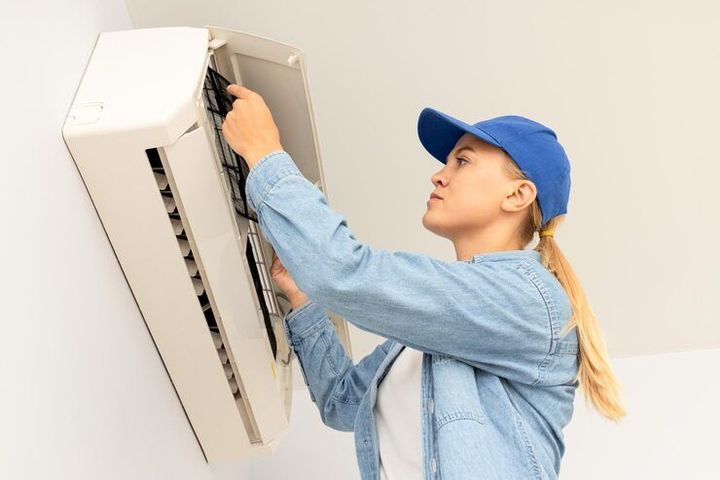
Discover AC Repair Solutions: Guide with Practical Tips & Tricks
Air conditioning systems are a central part of modern residential and commercial buildings. They regulate indoor temperature, control humidity, and support air quality management. Over time, however, components such as compressors, evaporator coils, condensers, and thermostats can experience wear or malfunction.
AC repair solutions exist to restore cooling efficiency, improve energy performance, and extend equipment lifespan. These solutions range from basic HVAC maintenance and air conditioner troubleshooting to advanced diagnostics involving refrigerant management and electrical testing.
Most systems operate through a closed-loop refrigeration cycle. When any part of that cycle is interrupted—such as restricted airflow, refrigerant imbalance, or electrical failure—performance declines. Identifying and correcting these issues is the foundation of practical AC repair strategies.
Common problems include:
-
Reduced cooling output
-
Unusual noises or vibrations
-
High electricity consumption
-
Water leakage near indoor units
-
Inconsistent thermostat readings
Understanding how these systems function helps homeowners and property managers make informed decisions about preventive maintenance and system optimization.
Why AC Repair and HVAC Maintenance Matter Today
The importance of AC repair has grown in recent years due to rising temperatures, urbanization, and increasing electricity costs. In countries with hot climates, including India, cooling systems operate for extended hours during summer months. Even small inefficiencies can significantly increase energy consumption.
Energy efficiency is now closely tied to environmental responsibility. Poorly maintained air conditioning systems consume more power and may contribute to higher greenhouse gas emissions.
Below is a simplified comparison of system performance based on maintenance frequency:
| Maintenance Level | Cooling Efficiency | Energy Consumption | Risk of Breakdown |
|---|---|---|---|
| Regular Inspection | High | Optimized | Low |
| Occasional Maintenance | Moderate | Increased | Medium |
| No Maintenance | Low | High | High |
This shows that preventive HVAC maintenance directly influences operating efficiency and long-term performance.
AC repair solutions help address problems such as:
-
Uneven cooling in multi-room setups
-
Indoor air quality concerns
-
Compressor strain due to clogged filters
-
High electricity bills during peak summer
They are relevant to homeowners, apartment associations, commercial building operators, and facility managers. In hot regions like Surat and other parts of India, consistent cooling performance is essential during April to June when temperatures often exceed 40°C.
Recent Updates and Industry Trends in 2025
The HVAC industry has seen several updates over the past year, particularly in refrigerant regulations and energy standards.
In 2024–2025, many countries continued transitioning toward lower Global Warming Potential (GWP) refrigerants. Alternatives such as R-32 and other next-generation refrigerants are being promoted to reduce environmental impact. India’s phased implementation under the Kigali Amendment to the Montreal Protocol remains ongoing, with stricter timelines for reducing high-GWP refrigerants.
Energy labeling requirements have also been revised. In India, the Bureau of Energy Efficiency (BEE) periodically updates star rating criteria. In 2024 revisions, minimum energy performance standards were tightened, meaning older units may appear less efficient compared to newer models under the revised metrics.
Another noticeable trend in 2025 is the adoption of:
-
Smart thermostat optimization
-
IoT-based HVAC monitoring systems
-
Predictive maintenance using sensor data
-
Inverter-based air conditioning systems
These technologies allow system diagnostics to identify issues such as abnormal compressor cycles or airflow restrictions before major breakdowns occur.
The integration of AI-based energy management platforms has also improved cooling optimization in commercial buildings. These tools analyze temperature patterns and usage behavior to reduce unnecessary load.
Laws, Regulations, and Government Policies Affecting AC Systems
Air conditioning systems are regulated by environmental, energy efficiency, and safety standards. These rules influence both installation and repair processes.
In India, several regulatory frameworks apply:
-
Bureau of Energy Efficiency (BEE) energy labeling program
-
Environmental regulations under the Montreal Protocol and Kigali Amendment
-
Electrical safety standards for HVAC installations
-
Local building codes related to ventilation and air circulation
Refrigerant handling is particularly regulated. Technicians must follow environmental safety protocols to prevent leakage of ozone-depleting or high-GWP substances. Improper refrigerant disposal can violate environmental norms.
Energy standards also influence consumer choices. BEE star ratings help identify high-efficiency air conditioners. Newer energy performance standards introduced in recent updates encourage lower electricity consumption and reduced environmental impact.
In some regions, government programs promote energy-efficient appliances through awareness initiatives and financing options. Compliance with these standards ensures environmental responsibility and operational safety.
Practical Tools and Resources for AC Troubleshooting
A structured approach to AC repair solutions often involves using diagnostic tools and digital resources. Below are common tools and platforms that support HVAC maintenance and troubleshooting.
Basic Physical Tools
-
Digital multimeter for electrical testing
-
Refrigerant manifold gauge set
-
Thermometer or infrared temperature gun
-
Coil cleaning brushes
-
Airflow measurement devices
Digital Tools and Apps
-
Smart thermostat mobile apps for temperature control
-
Energy consumption tracking apps
-
HVAC load calculation calculators
-
Manufacturer diagnostic software
-
Preventive maintenance checklist templates
Below is a simple preventive maintenance checklist table:
| Component | Inspection Frequency | Key Action |
|---|---|---|
| Air Filters | Monthly | Clean or replace if clogged |
| Evaporator & Condenser | Quarterly | Remove dust and debris |
| Thermostat | Every 6 months | Check calibration accuracy |
| Refrigerant Levels | Annual | Inspect for imbalance |
| Drain Line | Quarterly | Clear blockages |
These tools support systematic air conditioner troubleshooting and reduce the likelihood of sudden system failure.
Practical Tips for Improving AC Performance
Practical AC repair solutions often begin with simple checks. Many cooling problems are caused by minor issues rather than major mechanical failures.
Helpful maintenance practices include:
-
Cleaning air filters regularly to ensure proper airflow
-
Keeping outdoor condenser units free from debris
-
Checking thermostat settings for correct configuration
-
Sealing windows and doors to prevent cool air leakage
-
Scheduling periodic HVAC system inspection
Inverter-based systems may require additional electronic diagnostics, while conventional units often depend on mechanical performance checks.
Humidity control is also essential. Excess moisture can reduce comfort levels even when temperature appears adequate. Ensuring proper drainage and airflow improves indoor air quality management.
Frequently Asked Questions
What are common signs that an AC system needs repair?
Reduced cooling efficiency, unusual noise, water leakage, frequent cycling, and higher electricity consumption are common indicators. Early inspection can prevent more extensive mechanical issues.
How often should HVAC maintenance be performed?
Routine inspection is generally recommended at least once a year. In high-temperature regions with heavy usage, pre-summer maintenance is particularly important.
What is the role of refrigerant in cooling systems?
Refrigerant absorbs heat from indoor air and releases it outside. Incorrect refrigerant levels can reduce cooling efficiency and increase compressor strain.
Do smart thermostats improve energy efficiency?
Smart thermostats optimize cooling schedules and adjust temperature automatically based on occupancy patterns, which can improve overall system efficiency.
How do energy efficiency ratings affect AC performance?
Higher energy ratings indicate improved performance under standardized testing conditions. Updated rating systems introduced in recent years reflect stricter efficiency benchmarks.
Conclusion
AC repair solutions are essential for maintaining reliable and energy-efficient cooling systems. From preventive HVAC maintenance and air conditioner troubleshooting to refrigerant compliance and energy efficiency standards, proper system care ensures better indoor comfort and environmental responsibility.
Recent regulatory updates and technological innovations have made modern cooling systems more efficient and environmentally conscious. However, even advanced systems require consistent inspection and maintenance.