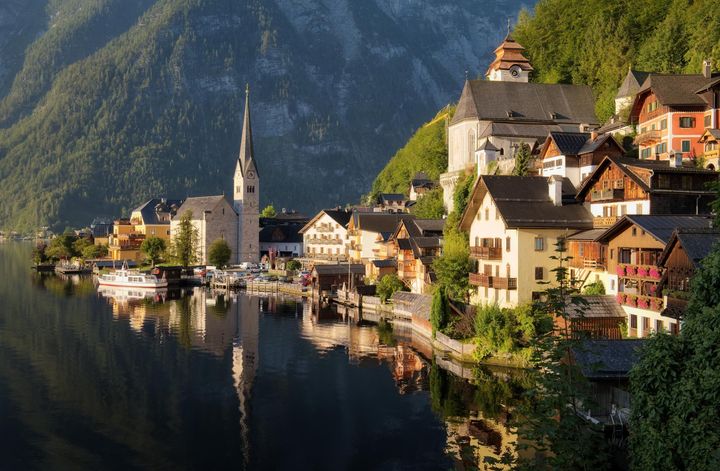
Discover the Most Peaceful Villages: Overview, Local Life, and Helpful Travel Advice
Peaceful villages represent quiet rural communities known for natural surroundings, traditional lifestyles, and slower daily rhythms. Across continents, these villages attract travelers seeking meaningful cultural experiences, eco-friendly destinations, and relief from crowded urban centers.
While cities often dominate tourism campaigns, rural tourism has grown as people search for sustainable travel experiences, authentic local life, and environmentally conscious destinations. From mountain hamlets to lakeside settlements, peaceful villages provide a setting where community traditions, farming practices, and heritage architecture remain central to daily living.
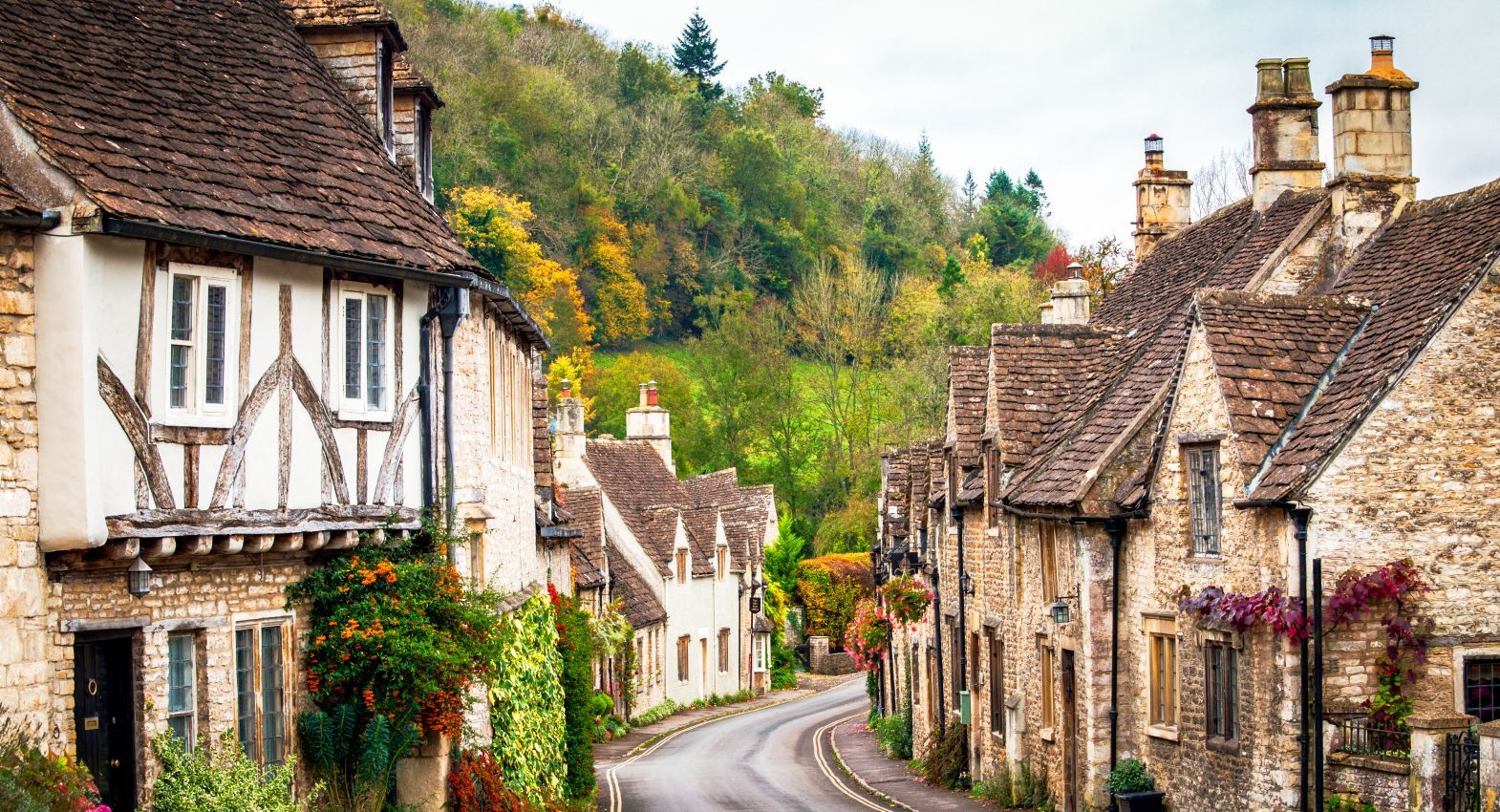
Below is an educational overview explaining why peaceful villages matter, how they are evolving, and what travelers should know before planning a visit.
Understanding Peaceful Villages and Their Purpose
A peaceful village is typically a small settlement characterized by low population density, close-knit communities, and strong connections to nature. These communities may be agricultural, fishing-based, or artisan-focused.
Unlike major tourist hubs, villages often develop organically over centuries. Their purpose historically included:
-
Supporting agriculture and livestock
-
Preserving regional crafts and traditions
-
Maintaining religious or cultural heritage sites
-
Serving as local trade centers
Today, many peaceful villages are also recognized for cultural heritage tourism and eco-tourism initiatives. Their existence helps maintain biodiversity, protect historic architecture, and safeguard indigenous knowledge systems.
Importance: Why Peaceful Villages Matter Today
Interest in rural tourism and sustainable travel has increased as urban populations seek:
-
Reduced stress environments
-
Nature-based experiences
-
Cultural immersion
-
Environmentally responsible tourism options
Peaceful villages support mental well-being by offering quiet surroundings and access to natural landscapes. They also provide economic diversification opportunities for rural communities through cultural heritage tourism and eco-tourism activities.
Below is a simplified comparison between urban travel and village travel experiences:
| Feature | Urban Tourism | Village Tourism |
|---|---|---|
| Population Density | High | Low |
| Noise Levels | Frequent traffic and crowds | Generally quiet |
| Cultural Interaction | Commercialized experiences | Direct local engagement |
| Environmental Impact | Higher resource demand | Often lower, community-based |
| Pace of Life | Fast | Slow and relaxed |
This shift toward offbeat travel destinations also helps reduce overtourism pressure in major cities. When travelers distribute their visits across smaller communities, cultural heritage sites in urban areas face less strain.
Recent Updates and Emerging Trends
Over the past year, rural destinations have seen increasing attention due to sustainability awareness and digital connectivity improvements. Several developments stand out:
-
Expanded rural broadband access in many regions has made remote stays more practical.
-
Eco-friendly travel guidelines have become more visible across tourism platforms.
-
Heritage village preservation programs have received renewed public attention.
-
Community-based tourism models have gained recognition in global travel reports.
Search trends show rising interest in terms such as “sustainable travel destinations,” “eco-friendly villages,” and “rural tourism guide.”
Additionally, digital mapping technologies and responsible travel certifications have improved visibility for lesser-known villages. Travelers now rely more heavily on data-driven planning tools, environmental ratings, and cultural preservation information before selecting destinations.
Laws and Policies Affecting Peaceful Villages
Village tourism and preservation are influenced by national and regional regulations. These often include:
Environmental protection regulations
-
Safeguard forests, lakes, and wildlife habitats
-
Restrict construction in sensitive zones
Cultural heritage preservation laws
-
Protect historic architecture and traditional buildings
-
Regulate renovations to maintain authenticity
Zoning and land-use planning policies
-
Prevent uncontrolled development
-
Maintain agricultural land and natural spaces
Sustainable tourism frameworks
-
Encourage waste management practices
-
Promote renewable energy use in rural accommodations
Such policies aim to balance tourism growth with community well-being. They also ensure that increased visitor interest does not disrupt local traditions or ecosystems.
Tools and Resources for Planning Village Travel
Modern travel planning relies on digital tools and reliable information sources. For those exploring peaceful villages, helpful resources include:
Mapping and navigation platforms
-
GPS-based map applications for rural routes
-
Offline map downloads for remote regions
Accommodation comparison tools
-
Platforms that highlight eco-friendly lodging
-
Filters for sustainable travel certifications
Cultural heritage databases
-
Listings of UNESCO-recognized sites
-
National heritage archives
Travel budget calculators
-
Expense estimation tools for rural travel
-
Currency conversion utilities
Language translation apps
-
Helpful in remote areas with limited English usage
Weather monitoring websites
-
Seasonal planning support
-
Alerts for mountain or coastal conditions
These tools improve safety, transparency, and responsible tourism planning. They also help travelers align with eco-friendly destination practices.
Local Life in Peaceful Villages
Village life typically revolves around agriculture, craftsmanship, fishing, or small-scale trade. Daily routines may include:
-
Morning market visits
-
Community gatherings
-
Seasonal harvest festivals
-
Traditional cooking practices
In many villages, multi-generational households are common. Cultural knowledge passes from elders to younger generations, preserving language, music, and craft skills.
Food systems often rely on locally grown ingredients. Traditional recipes reflect regional climate and agricultural patterns. For example:
-
Mountain villages emphasize dairy and root vegetables
-
Coastal villages highlight seafood and salt-based preservation
-
Forest regions focus on grains and foraged produce
Community bonds tend to be strong, with shared responsibilities for festivals and religious ceremonies. Visitors are often encouraged to respect local customs, dress codes, and photography etiquette.
Environmental and Social Considerations
Responsible travel plays a critical role in protecting peaceful villages. Key principles include:
-
Minimizing plastic waste
-
Respecting farmland boundaries
-
Supporting local cultural experiences
-
Avoiding overcrowding during peak seasons
Here is a simplified representation of tourism impact factors:
Visitor Volume → Resource Use → Environmental Pressure → Community Response
When visitor volume remains balanced, communities benefit through cultural exchange and economic activity. When unmanaged, pressure can increase on water systems, waste disposal, and housing availability.
Sustainable travel practices help maintain equilibrium.
FAQs
What defines a peaceful village?
A peaceful village is generally a small rural settlement characterized by low noise levels, natural surroundings, strong community ties, and preserved cultural traditions.
Are peaceful villages suitable for digital nomads?
In many regions, improved rural broadband access has made remote work feasible. However, connectivity varies, so checking internet reliability beforehand is advisable.
How can travelers respect local traditions?
Travelers can observe dress norms, seek permission before photographing people, learn basic local phrases, and follow community guidelines related to religious or cultural events.
Is rural tourism environmentally friendly?
Rural tourism can be environmentally responsible when visitor numbers are managed and eco-friendly practices are followed. However, unmanaged growth may create environmental strain.
What is the best season to visit a peaceful village?
The ideal season depends on climate and local festivals. Researching weather patterns and agricultural cycles helps identify suitable travel periods.
Conclusion
Peaceful villages offer insight into sustainable living, cultural heritage preservation, and environmentally conscious travel. As interest in rural tourism and eco-friendly destinations continues to grow, these communities play a meaningful role in balancing global travel patterns.
They provide opportunities for cultural exchange, support biodiversity conservation, and encourage slower, more mindful experiences. With thoughtful planning, awareness of regulations, and responsible travel practices, visitors can engage respectfully with village life while helping protect these unique communities for future generations.