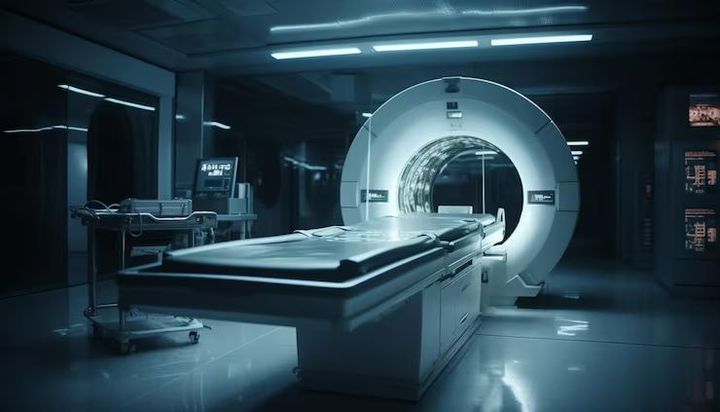
Discover X-Ray Inspection Machines
X-ray inspection machines help examine the inside of products and materials without causing damage. They are widely used in manufacturing, healthcare support, industrial quality control, food production, electronics, and security screening. This guide explains how these machines work, why they are important, recent developments, regulations, useful resources, and frequently asked questions.
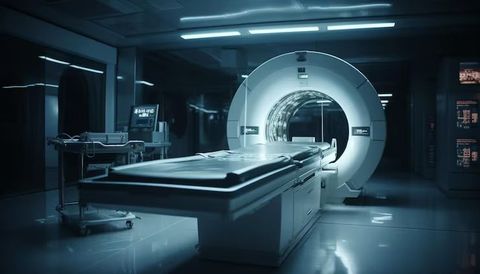
X-ray inspection machines are advanced systems designed to examine the inside of objects without opening, cutting, or damaging them. They use controlled X-ray beams that pass through materials to create detailed images of internal structures.
The technology was originally developed for scientific and medical imaging. Over time, industries recognized its value for identifying hidden defects, verifying product quality, and improving manufacturing accuracy. Today, X-ray inspection equipment supports industrial automation, electronics manufacturing, food processing, aerospace production, automotive engineering, and security screening.
Different industries use these machines to inspect metals, plastics, electronics, packaged products, welded joints, and complex mechanical components. Their ability to detect internal issues makes them an important part of modern quality assurance programs.
Importance
Why X-Ray Inspection Machines Matter
Modern manufacturing requires consistent quality and reliable production standards. Small internal defects that cannot be seen with the human eye may affect product performance, safety, or durability. X-ray inspection machines help identify these hidden problems before products move to the next stage.
The technology benefits many sectors, including:
- Industrial manufacturing
- Food processing
- Electronics production
- Automotive manufacturing
- Aerospace engineering
- Medical device manufacturing
- Security inspection
Some common inspection purposes include:
- Detecting cracks and fractures
- Identifying missing or misplaced components
- Finding foreign materials
- Examining solder joints on circuit boards
- Verifying assembly accuracy
- Supporting non-destructive testing procedures
Common Applications
| Industry | Typical Inspection Purpose |
|---|---|
| Manufacturing | Internal defect detection |
| Electronics | Circuit board inspection |
| Food Processing | Foreign object identification |
| Automotive | Component quality verification |
| Aerospace | Structural integrity evaluation |
| Medical Devices | Assembly validation |
Growing Adoption Trend
Industrial Use of X-Ray Inspection

Manufacturing      ██████████████
Electronics        ████████████
Food Industry      ██████████
Automotive         █████████
Aerospace          ████████
Security           ███████
The increasing use of automation and precision manufacturing continues to expand the role of digital inspection technologies.
Recent Updates
Latest Developments in the Past Year
During 2025 and early 2026, several trends have influenced X-ray inspection technology across industries.
Manufacturers have introduced artificial intelligence-assisted image analysis that helps identify inspection patterns more efficiently. Machine learning algorithms are increasingly used to improve defect recognition while reducing unnecessary manual reviews.
Digital detector technology has also improved image quality and inspection speed. Higher-resolution imaging allows operators to examine smaller components with greater accuracy.
Another important trend is the integration of X-ray inspection systems into smart manufacturing environments. Inspection data can now be connected with production monitoring systems, allowing manufacturers to analyze quality performance over time.
Portable inspection equipment has also become more practical for field inspections in infrastructure and industrial maintenance, supporting flexible inspection workflows.
Laws or Policies
Regulations and Safety Frameworks
Because X-ray inspection machines use ionizing radiation, their operation is regulated in many countries.
Typical regulatory areas include:
- Radiation safety standards
- Equipment certification requirements
- Operator training guidelines
- Workplace exposure monitoring
- Protective shielding requirements
- Routine equipment inspection and maintenance
Many countries follow internationally recognized radiation safety principles while implementing their own national regulations. Industrial facilities are generally expected to maintain documented safety procedures, perform regular equipment testing, and monitor radiation exposure within permitted limits.
Organizations using inspection equipment also follow quality management systems that support traceability, documentation, and product reliability.
Tools and Resources
Helpful Learning Resources
Several educational resources help users understand X-ray inspection technology:
- Radiation safety training materials
- Non-destructive testing learning guides
- Industrial quality management templates
- Digital image analysis software
- Inspection reporting templates
- Equipment maintenance checklists
- Manufacturing quality calculators
- Production documentation systems
- Technical standards publications
- Engineering reference manuals
These resources improve understanding of inspection processes, safety practices, and quality assurance methods.
FAQs
What is an X-ray inspection machine used for?
It is used to examine the internal structure of products or materials without causing damage. It helps detect hidden defects, assembly issues, and foreign materials.
Is X-ray inspection considered non-destructive testing?
Yes. The inspection process allows materials and products to remain intact while revealing internal features, making it an important non-destructive testing method.
Which industries commonly use X-ray inspection machines?
Manufacturing, electronics, aerospace, automotive, food processing, medical device production, and security inspection are among the most common users.
Are X-ray inspection machines safe?
When operated according to approved radiation safety guidelines, shielding requirements, and workplace regulations, these systems are designed to protect operators and nearby personnel.
How has artificial intelligence improved X-ray inspection?
Artificial intelligence helps analyze inspection images more efficiently by recognizing patterns, highlighting potential defects, and supporting consistent quality evaluation.
Conclusion
X-ray inspection machines have become an essential technology for modern quality control and non-destructive testing. Their ability to reveal hidden defects without damaging products supports safer manufacturing, better product reliability, and improved production efficiency. As digital imaging, artificial intelligence, and smart factory technologies continue to develop, X-ray inspection systems are expected to play an even greater role across industrial and manufacturing environments. Understanding their purpose, regulations, and practical applications helps organizations and learners appreciate the importance of advanced inspection technologies.
Disclaimer
This article is intended for educational and informational purposes only. Regulations, safety requirements, and technical standards related to X-ray inspection machines may differ between countries and industries. Always follow applicable laws, workplace safety procedures, and official technical guidance when working with inspection equipment.