Importance
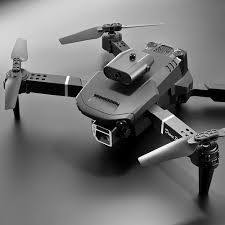
Drone machines matter today because they help multiple sectors operate more accurately, safely, and efficiently. Their ability to capture real-time information from difficult locations makes them valuable for decision-making in public safety, research, agriculture, infrastructure management, and more.
Some groups that benefit from drone applications include:
-
Environmental researchers who need detailed mapping of forests, oceans, or wildlife areas
-
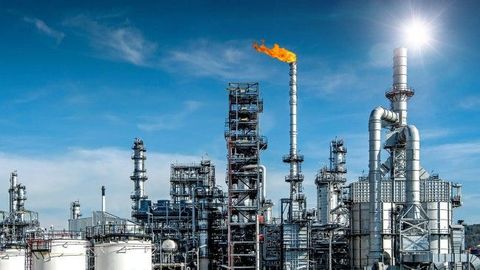
Infrastructure teams analyzing bridges, power lines, rail networks, and pipelines
-
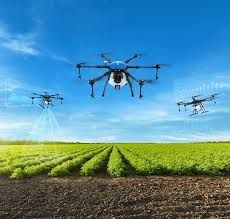
Agricultural specialists monitoring crop health and estimating yield levels
-
Emergency response units conducting search operations or assessing natural disaster zones
-
Urban planners studying land use, construction progress, or transportation patterns
Drones help solve problems related to accessibility, accuracy, time efficiency, and safety. They provide remote visibility in locations where humans cannot easily go, reducing risks while improving data quality. The rise of high-resolution imaging, cloud-based analysis tools, and automated flight programming has made drone-based insights more reliable than ever.
Recent Updates
Drone technology continues to evolve quickly, and the past year has brought several notable advancements.
Key developments include:
-
AI-assisted Navigation (2024–2025):
Recent updates highlight the integration of onboard AI that allows drones to detect objects, avoid obstacles, and follow complex paths with minimal manual control.
-
Enhanced Flight Time and Battery Innovation (2024):
New battery materials and power systems have extended flight duration, enabling longer missions and reducing the need for frequent returns.
-
Growth in 3D Mapping and Digital Twin Applications (2024–2025):
Industries like construction, mining, and urban development increasingly use drone-generated 3D models for tracking and simulation.
-
Advanced Imaging Sensors:
Recent models include multispectral and thermal imaging, expanding use cases in agriculture, safety, and environmental monitoring.
-
Global Airspace Integration Discussions (2024–2025):
Governments are exploring systems to safely integrate drones with traditional aircraft in shared airspace.
Laws or Policies
Drone regulations vary by country but generally follow principles focused on safety and accountability.
Common regulatory themes include:
-
Registration Requirements:
Drone owners often must register UAVs above certain weight limits.
-
Remote Identification:
Some regions require drones to broadcast identification and location data during flight.
-
Operational Limits:
-
Maintain visual line of sight
-
Stay below specified altitude limits
-
Avoid restricted zones, airports, and crowded areas
-
Follow weather and daylight guidelines
-
Training and Knowledge Tests:
Operators may need certification or basic knowledge tests for safe operation.
-
Data Protection Rules:
Privacy laws apply when drones capture images or sensitive data.
-
Sector-Specific Permissions:
Advanced operations (e.g., night flights or industrial use) may require additional approvals.
Tools and Resources
Several tools and platforms support drone operations, analysis, and safe usage.
Key tools include:
-
Flight Planning Apps
Route planning, weather checks, and automated missions
-
Mapping and Analysis Platforms
Convert drone data into maps, 3D models, and insights
-
Navigation & Safety Tools
Airspace maps, altitude tracking, and wind monitoring
-
Data Visualization Dashboards
Transform collected data into charts and reports
-
Hardware Accessories
Stabilizers, protective cases, and extended batteries
-
Training Resources
Educational materials on drone operation, sensors, and safety
-
Template Libraries
Checklists, maintenance logs, and reporting templates
Example Reference Table
| Category | Use Case | Typical Output |
|---|
| Mapping Tools | Land study, area measurement | 2D maps, contour lines |
| AI-powered Analysis | Agriculture, inspection | Health patterns, heat data |
| Navigation Tools | Route planning | Safe flight paths |
| Data Dashboards | Reports, presentations | Charts, graphs, summaries |
FAQs
What is a drone machine used for?
Drone machines are used for imaging, mapping, inspection, monitoring, and data collection. They provide aerial access to hard-to-reach areas.
How do drones navigate in complex areas?
They use GPS, motion sensors, AI-based obstacle detection, and automated flight systems to maintain stability and avoid collisions.
Can drones fly in all weather conditions?
No. Strong winds, rain, fog, and extreme temperatures can affect performance. Operators must check weather conditions before flying.
What types of sensors do modern drones use?
Drones use cameras, thermal sensors, multispectral sensors, LiDAR, and motion detectors depending on application needs.
Do drone regulations change often?
Yes. Governments update rules regularly to reflect technological advancements and ensure safety.
Conclusion
Drone machines have transformed how data is collected, analyzed, and shared across industries. They improve efficiency, safety, and decision-making in fields such as agriculture, infrastructure, and emergency response.
With ongoing advancements in AI navigation, sensor technology, and mapping systems, drones continue to expand their capabilities. Understanding their features, regulations, and tools helps users operate them responsibly and adapt to future developments in this rapidly evolving field.