Dust Collectors Insights for Choosing the Right System for Your Needs
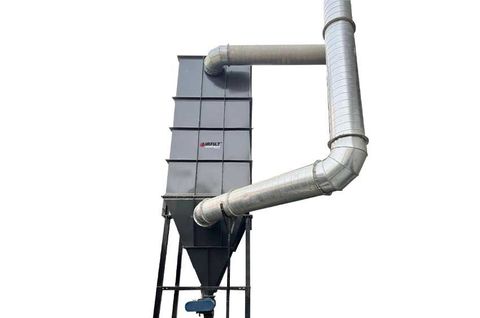
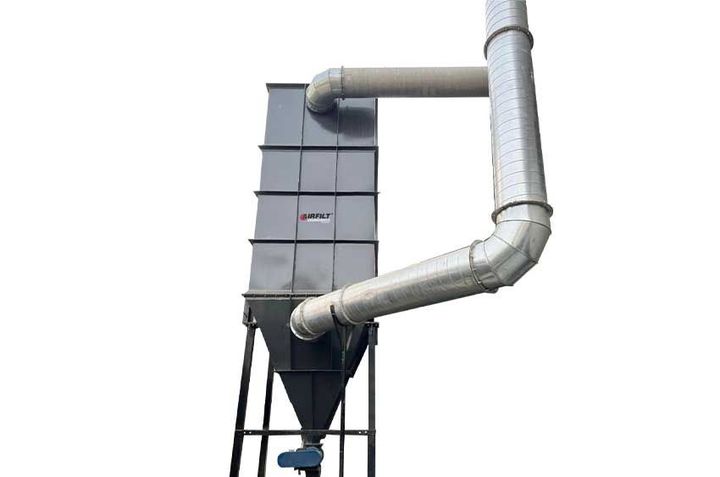
Dust collectors are systems designed to remove airborne particles, such as dust and fine debris, from industrial and commercial environments.
These particles are often generated during activities like cutting, grinding, sanding, or material handling. A dust collection system helps capture and filter these contaminants before they spread into the air, improving indoor air conditions.
Over time, industries have developed various types of industrial dust collectors to meet different operational needs. These systems range from compact units for small workshops to large-scale industrial dust collection systems used in manufacturing plants. Common designs include the baghouse dust collector, which uses fabric filters, and the cyclone dust collector, which separates particles using centrifugal force.
The development of air dust collection systems and industrial air filtration systems is closely linked to workplace safety concerns and environmental awareness. As industries expanded, so did the need to control airborne pollutants effectively. Today, dust extraction systems are considered a standard part of many industrial setups, especially in sectors like woodworking and manufacturing.
Importance
Dust control plays a significant role in maintaining safe and functional work environments. Airborne dust can affect both equipment performance and human health, making industrial dust collectors for woodworking and manufacturing essential in many settings.
One key reason this topic matters is health protection. Fine dust particles can be inhaled and may lead to respiratory issues over time. By using dust extraction systems for manufacturing, workplaces can reduce exposure to harmful particles and maintain cleaner air.
Another important aspect is operational efficiency. Dust accumulation can interfere with machinery, leading to wear and reduced performance. A properly designed dust collection system helps maintain equipment by minimizing buildup.
Environmental considerations also play a role. Many industries are expected to limit emissions and manage waste responsibly. Industrial air filtration systems contribute to this by capturing particles before they are released into the surrounding environment.
In addition, different industries face unique challenges:
-
Woodworking environments generate fine sawdust that spreads quickly, requiring specialized industrial dust collectors for woodworking
-
Metalworking processes produce heavier particles that may need cyclone-based separation
-
Manufacturing facilities often deal with mixed materials, requiring flexible dust extraction systems
These challenges highlight why understanding the right system is important for different use cases.
Recent Updates
In recent years, dust collector manufacturers and dust collector suppliers have focused on improving system efficiency, monitoring, and adaptability. Several trends have shaped the development of modern industrial dust collection systems.
One noticeable trend is the integration of smart monitoring features. Many systems now include sensors that track airflow, filter condition, and dust levels. This allows operators to monitor performance and identify maintenance needs early.
Energy efficiency has also become a priority. Newer industrial air filtration systems are designed to use less power while maintaining effective dust removal. This is achieved through improved fan designs and optimized airflow patterns.
Modular system design is another development. Instead of a single large unit, some facilities use multiple smaller units that can be adjusted or expanded as needed. This approach is particularly useful in evolving manufacturing environments.
There is also increased attention to sustainability. Some systems are designed to capture and reuse materials, especially in woodworking or material processing industries. This reduces waste and supports resource efficiency.
Overall, the current trend focuses on making dust collection systems more adaptable, efficient, and easier to monitor.
Laws or Policies
Dust control is influenced by workplace safety and environmental regulations in many countries, including India. These rules are designed to protect workers and limit pollution.
In India, guidelines from the Central Pollution Control Board (CPCB) and State Pollution Control Boards set standards for air quality and emissions. Industries are required to manage particulate matter within specified limits, which often involves using industrial dust collectors.
Workplace safety regulations also play a role. The Factories Act and related occupational safety guidelines emphasize maintaining safe working conditions, including controlling airborne contaminants. This encourages the use of dust extraction systems in industrial settings.
Environmental compliance may require industries to:
-
Install appropriate industrial dust collection systems
-
Monitor emissions regularly
-
Maintain filtration equipment to ensure proper functioning
In some sectors, specific standards apply depending on the type of material being processed. For example, woodworking facilities may need systems that handle fine particulate matter effectively.
Understanding these regulations helps organizations align their dust control measures with legal requirements while maintaining safe operations.
Tools and Resources
Selecting and managing a dust collection system can be complex, but several tools and resources can help simplify the process.
Online airflow calculators are commonly used to estimate the volume of air that needs to be filtered. These tools help determine the capacity required for industrial dust collectors based on workspace size and dust generation levels.
System design guides are another useful resource. Many technical documents explain how to choose between systems like baghouse dust collectors and cyclone dust collectors, depending on the type of dust and application.
Maintenance checklists can also support long-term performance. Regular inspection of filters, ducts, and fans ensures that air dust collection systems continue to function effectively.
In addition, industry websites and technical forums provide insights into different types of dust extraction systems for manufacturing. These platforms often include case studies and practical examples that help users understand real-world applications.
Below is a simple comparison table of common dust collector types:
| Dust Collector Type | Working Principle | Suitable Applications |
|---|---|---|
| Baghouse Dust Collector | Fabric filters trap fine particles | Woodworking, manufacturing |
| Cyclone Dust Collector | Centrifugal force separates particles | Heavy dust, metalworking |
| Cartridge Dust Collector | Pleated filters increase surface area | Fine dust, compact spaces |
| Wet Scrubber | Water captures dust particles | Chemical processing, hazardous dust |
This table highlights how different systems are suited to different conditions, helping users better understand their options.
FAQs
What is a dust collection system and how does it work?
A dust collection system captures airborne dust through ducts and filters. Air is drawn into the system, where particles are separated and collected, while cleaner air is released back into the environment.
What are the common types of industrial dust collectors?
Common types include the baghouse dust collector, cyclone dust collector, cartridge collectors, and wet scrubbers. Each type is designed for specific dust characteristics and industrial applications.
How do industrial dust collection systems improve workplace conditions?
Industrial dust collection systems reduce airborne particles, helping maintain cleaner air. This can support worker comfort, protect equipment, and improve overall workplace conditions.
Are dust extraction systems for manufacturing different from woodworking systems?
Yes, dust extraction systems for manufacturing often handle a wider range of materials, including metal and chemical particles. In contrast, industrial dust collectors for woodworking are typically designed to manage fine sawdust.
What should be considered when choosing dust collector manufacturers or suppliers?
Factors include system compatibility, technical specifications, maintenance requirements, and the type of dust involved. Understanding these aspects helps in selecting suitable dust collector manufacturers or dust collector suppliers.
Conclusion
Dust collectors play an essential role in managing airborne particles across various industries. From basic setups to advanced industrial dust collection systems, these technologies help address health, environmental, and operational concerns. Understanding different system types, recent trends, and regulatory requirements provides a clearer view of how they function. With the right knowledge, it becomes easier to identify suitable solutions for specific applications without relying on assumptions.