Early Detection of Diabetes Explained: Overview, Details, and Helpful Resources
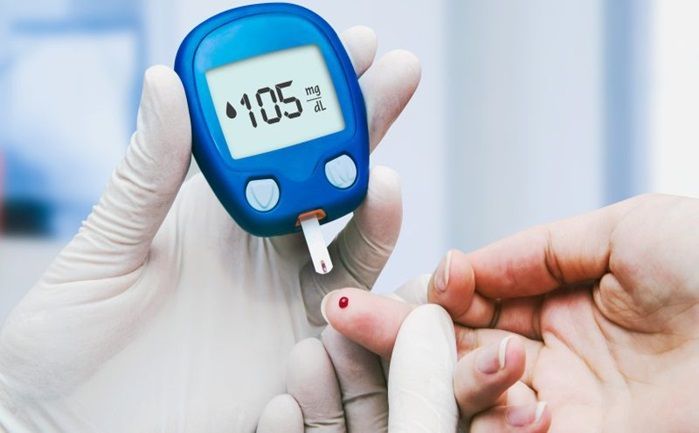
Early detection of diabetes refers to identifying elevated blood glucose levels or related risk factors before symptoms become severe or complications develop. Diabetes is a long-term metabolic condition that affects how the body uses glucose for energy. Many people live with early-stage diabetes or prediabetes without clear symptoms, which is why early identification exists as a preventive health approach. By recognizing warning signs and biochemical changes early, individuals and healthcare systems can act before irreversible damage occurs.
Importance
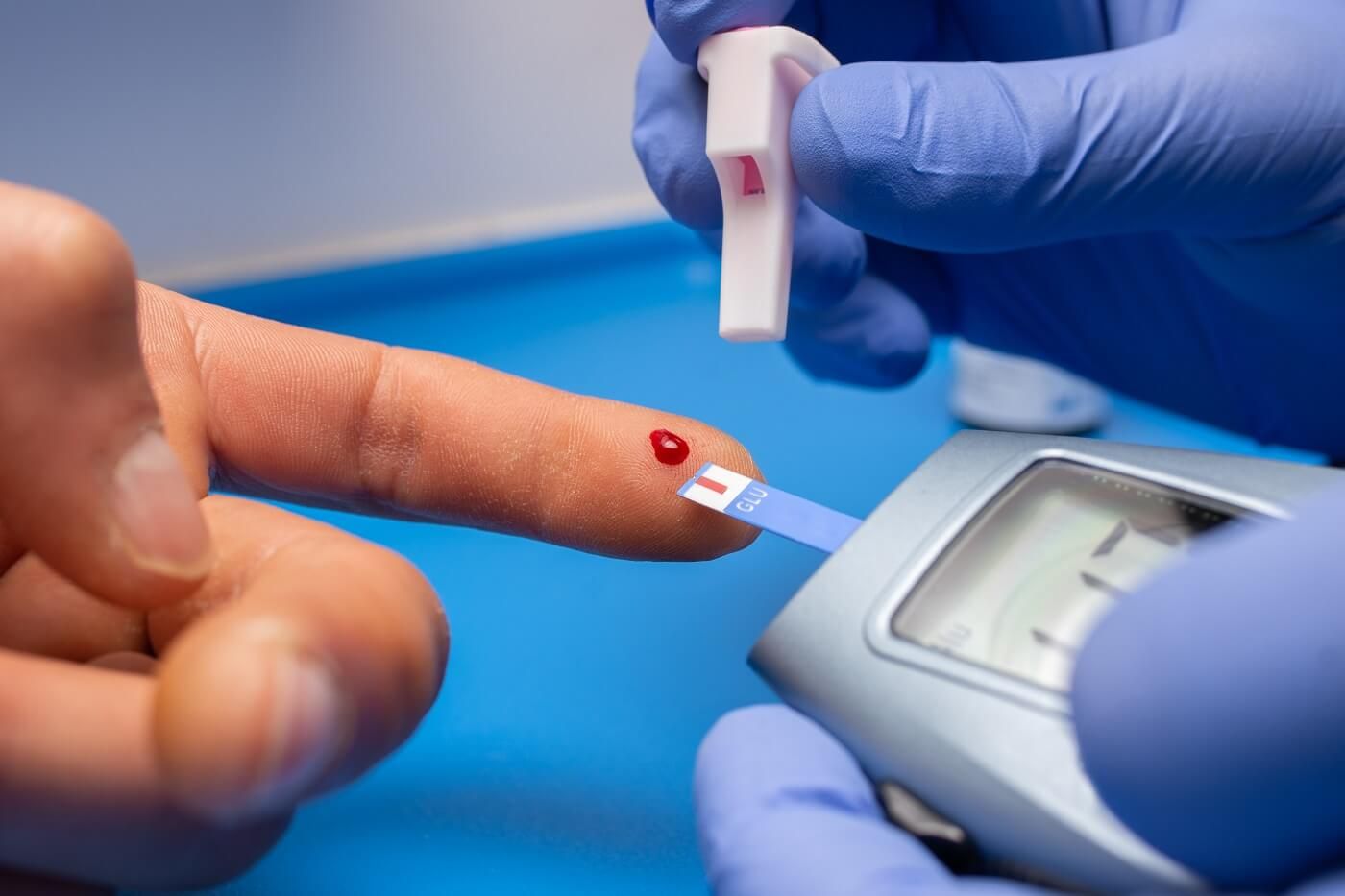
Early detection matters because diabetes affects people of all ages and backgrounds, and its prevalence continues to rise globally. Undetected or late-detected diabetes can lead to complications involving the heart, kidneys, nerves, eyes, and blood vessels. Identifying the condition early helps reduce health risks, improves quality of life, and supports long-term well-being.
This topic is especially important for:
-
Individuals with a family history of diabetes
-
People with sedentary lifestyles or unbalanced diets
-
Those experiencing unexplained fatigue, frequent thirst, or changes in weight
Early detection helps solve problems such as delayed diagnosis, preventable complications, and increased strain on healthcare systems. It supports informed decision-making and encourages healthier daily habits.
Recent Updates
Recent public health research has highlighted the growing use of digital screening tools and risk assessment models for diabetes detection. Advances in continuous glucose monitoring technology have improved awareness of glucose patterns in daily life. Updated clinical guidelines emphasize earlier screening for high-risk populations and the integration of lifestyle-based interventions alongside medical monitoring. There is also increased focus on community-level screening initiatives and data-driven prevention strategies promoted by organizations such as the World Health Organization.
Laws or Policies
Diabetes detection and prevention are influenced by public health policies that promote routine health screening, nutrition awareness, and physical activity. Many governments support national programs focused on non-communicable disease prevention, which include diabetes risk assessment and education. These frameworks often encourage primary care screening, data reporting, and population-level monitoring while aligning with recommendations from bodies like the International Diabetes Federation. Such policies aim to reduce long-term disease burden through early identification and awareness.
Tools and Resources
A variety of educational and diagnostic resources support early diabetes detection:
Common Screening Tools
-
Fasting blood glucose tests
-
Oral glucose tolerance tests
-
Glycated hemoglobin (HbA1c) assessments
Digital Tools and Calculators
-
Diabetes risk score calculators
-
Lifestyle tracking apps for diet and activity
-
Symptom monitoring logs
Educational Platforms
-
Public health portals by organizations such as the Centers for Disease Control and Prevention
-
Online learning hubs focused on metabolic health
Community Resources
-
Health awareness programs
-
Preventive care workshops
-
Screening camps and educational seminars
Example: Common Screening Measures
| Test Type | What It Measures | Typical Use |
|---|---|---|
| Fasting Glucose | Blood sugar after fasting | Initial screening |
| HbA1c | Average glucose over time | Long-term assessment |
| Glucose Tolerance | Body’s glucose response | Diagnostic clarification |
FAQs
What is early diabetes detection?
It is the process of identifying abnormal blood glucose levels or risk factors before clear symptoms or complications appear.
Who should consider screening?
People with family history, lifestyle risk factors, or unexplained symptoms are commonly advised to undergo screening.
Are symptoms always present in early stages?
No. Many individuals experience no noticeable symptoms, which is why routine checks are important.
How does early detection help long-term health?
It allows timely lifestyle adjustments and monitoring, reducing the likelihood of complications.
Can early detection reverse diabetes?
Early identification can support effective management and delay progression, especially when combined with healthy habits.
Conclusion
Early detection of diabetes plays a crucial role in preventive health. By identifying risks and changes early, individuals gain the opportunity to protect their well-being and make informed lifestyle choices. With supportive policies, reliable screening tools, and accessible educational resources, early detection remains one of the most effective strategies for addressing the growing impact of diabetes. Clear awareness and proactive monitoring help transform diabetes from a late-diagnosed condition into a manageable health concern.
Disclaimer: The information provided in this article is for informational purposes only. We do not make any claims or guarantees regarding the accuracy, reliability, or completeness of the information presented. The content is not intended as professional advice and should not be relied upon as such. Readers are encouraged to conduct their own research and consult with appropriate professionals before making any decisions based on the information provided in this article