Importance: Why Combine Harvester Manufacturing Matters Today
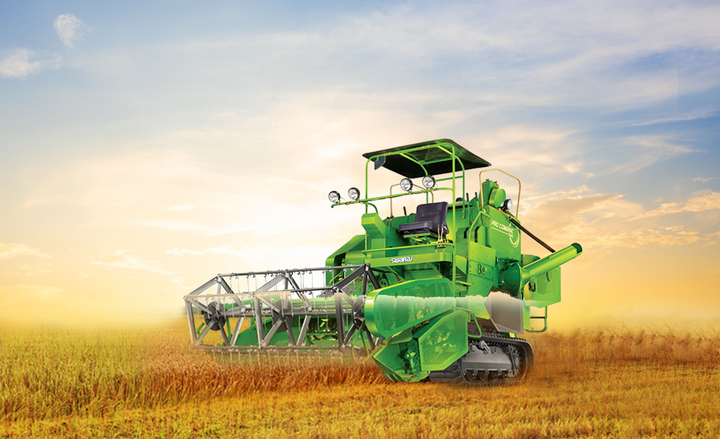
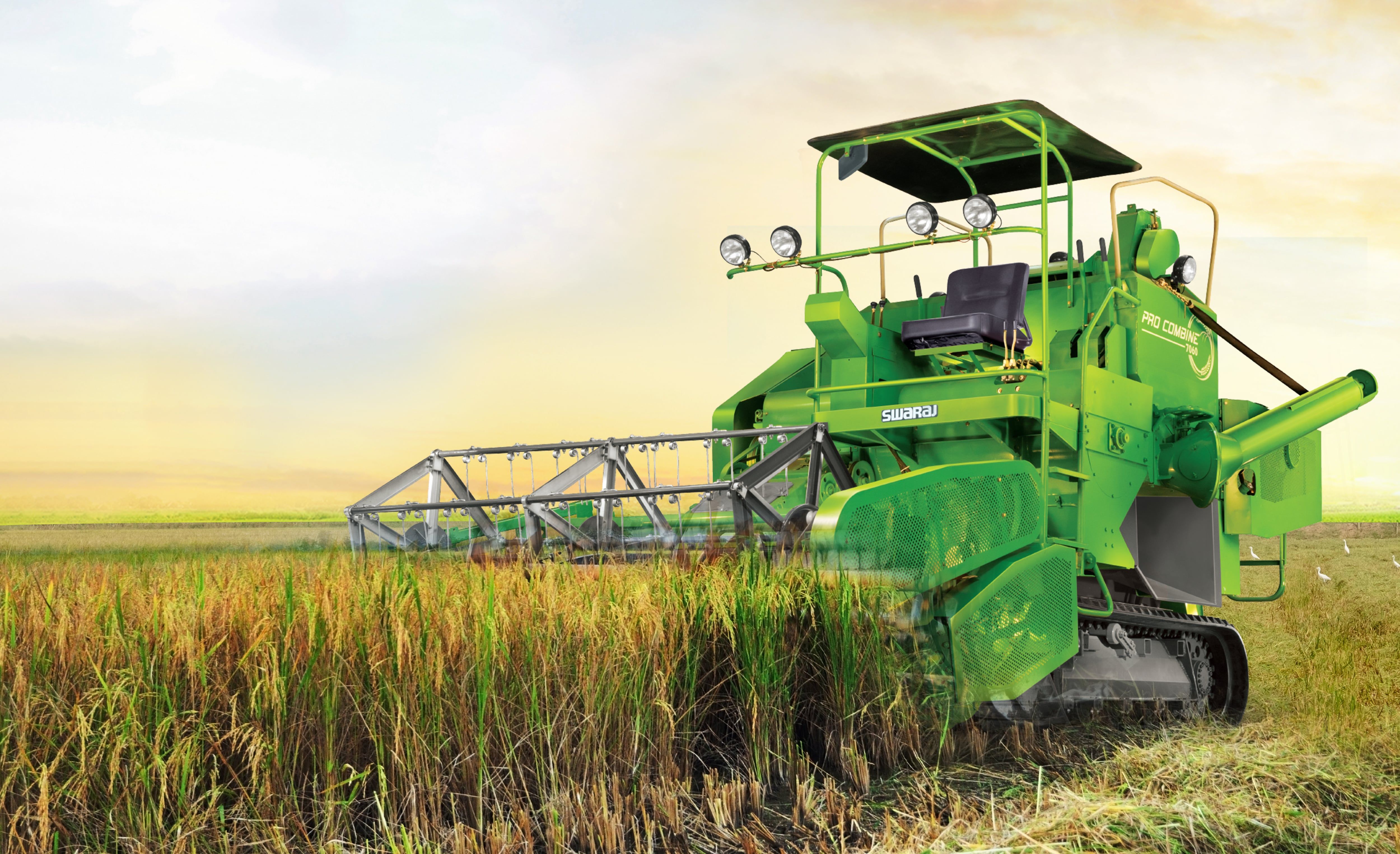
Combine harvester manufacturing is a critical part of modern agriculture and global food systems. As farming becomes more data-driven and large-scale, the need for reliable harvesting machinery continues to grow.
Why This Industry Matters
-
Supports efficient harvesting of crops like wheat, rice, maize, and barley
-
Reduces harvest-time losses through precision and consistency
-
Helps address labor shortages during peak farming seasons
-
Strengthens food supply chains by improving harvesting timelines
Broader Impact
This manufacturing sector influences:
-
Agricultural engineers
-
Equipment manufacturers and distributors
-
Maintenance and service professionals
-
Policymakers focused on food security
By improving harvesting speed and reducing crop damage, combine harvester manufacturing plays a key role in agricultural productivity.
Recent Updates and Manufacturing Trends
In recent developments, the focus has shifted from purely mechanical improvements to smart and connected systems.
Key Innovations
-
Sensor-based monitoring for grain flow and machine performance
-
Digital displays and automated calibration systems
-
Improved fuel efficiency through optimized engine design
-
Modular components for easier assembly and maintenance
Advanced Manufacturing Techniques
-
CNC machining for precision parts
-
Robotic welding for consistent assembly
-
Tighter tolerances and improved quality control
Operator-Focused Improvements
-
Enhanced cabin comfort
-
Reduced vibration and noise
-
Improved safety features
These trends highlight a move toward intelligent, efficient, and user-friendly agricultural machinery.
Laws and Regulatory Considerations
Combine harvester manufacturing is shaped by general safety, environmental, and engineering standards.
Key Regulatory Areas
-
Machinery safety standards (moving parts, braking systems)
-
Emission and noise control regulations
-
Material handling and waste management rules
-
Equipment certification requirements
Government programs supporting agricultural modernization also influence manufacturing priorities, encouraging efficient and sustainable machinery design.
Tools and Resources in Manufacturing
Modern combine harvester production uses a wide range of tools and digital systems.
Design and Engineering Tools
-
Computer-Aided Design (CAD) software
-
Simulation tools for system performance
-
Material selection and testing systems
Production and Management Tools
-
Manufacturing Execution Systems (MES)
-
Supply chain management platforms
-
Assembly line automation systems
Quality Assurance Tools
-
Inspection instruments for tolerance checks
-
Diagnostic and testing equipment
-
Technical documentation systems
Manufacturing Workflow Overview
| Stage | Description |
|---|
| Design & Engineering | Layout, material selection, system integration |
| Fabrication | Cutting, forming, machining components |
| Assembly | Integrating engine, drivetrain, and systems |
| Testing | Performance and safety validation |
| Final Inspection | Quality checks and documentation |
This structured workflow ensures reliability and consistency in production.
Frequently Asked Questions
What materials are used in combine harvesters?
Common materials include:
-
High-strength steel for structural components
-
Aluminum alloys for weight reduction
-
Reinforced polymers for panels
-
Rubber for belts and seals
Are modern harvesters digitally advanced?
Yes. They include sensors, control systems, and digital interfaces for monitoring performance and improving efficiency.
How is quality maintained?
Through standardized manufacturing processes, in-line inspections, testing systems, and detailed documentation.
Can one machine handle different crops?
Yes. Combine harvesters are designed with interchangeable headers and adjustable systems to support multiple crop types.
How long does manufacturing take?
The timeline varies based on design complexity and production scale, but it involves multiple coordinated stages from fabrication to final inspection.
Conclusion
Combine harvester manufacturing combines traditional mechanical engineering with modern digital technologies. It plays a crucial role in improving agricultural efficiency, reducing manual labor, and supporting stable food production systems.
With advancements in sensors, automation, and precision manufacturing, this industry continues to evolve to meet the demands of modern farming. Regulatory compliance, structured workflows, and advanced tools ensure that machines are reliable, efficient, and adaptable.
Understanding this manufacturing process provides valuable insight into how agricultural machinery supports global food systems and sustainable farming practices.