Explore Commercial Refrigeration Systems: Basics, Explanation, and Key Information
Commercial refrigeration systems are specialized cooling systems designed to store, preserve, and manage temperature-sensitive products at a consistent and controlled level. These systems are commonly used in environments where large volumes of perishable goods, temperature-regulated materials, or sensitive equipment must remain stable over extended periods.
Unlike household refrigeration, commercial refrigeration operates continuously, often under demanding conditions. It is engineered to support food preservation, pharmaceutical safety, chemical stability, and industrial processes. The existence of these systems is closely linked to modern supply chains, public health standards, and the global movement of temperature-sensitive products.
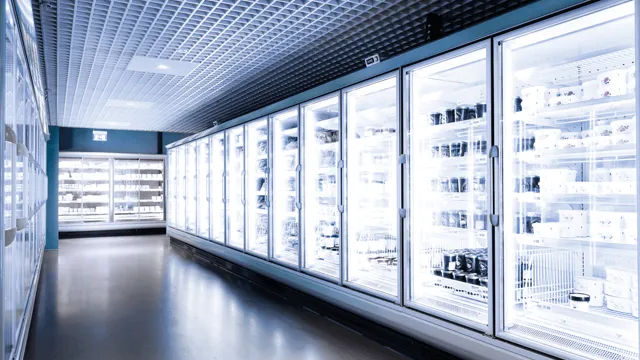
As industries expanded and storage requirements grew more complex, traditional cooling methods became insufficient. Commercial refrigeration systems evolved to provide precision temperature control, scalability, and operational reliability in diverse settings such as retail facilities, cold storage units, laboratories, and processing environments.
Importance: Why Commercial Refrigeration Systems Matter
Commercial refrigeration systems play a critical role in daily operations across multiple sectors. Their importance lies in maintaining product integrity, ensuring safety, and supporting regulatory compliance.
Key reasons this topic matters include:
- Preservation of perishable goods across extended storage periods
- Prevention of spoilage, contamination, and material degradation
- Support for temperature-sensitive logistics and storage operations
- Maintenance of consistent environmental conditions
These systems affect a wide range of stakeholders, including facility operators, supply chain managers, quality control teams, and end consumers. Without reliable refrigeration infrastructure, food safety risks increase, pharmaceutical stability may be compromised, and operational efficiency declines.
From a broader perspective, commercial refrigeration contributes to waste reduction by extending product usability and supporting controlled distribution networks. This makes it an essential component of modern infrastructure rather than a background utility.
Recent Updates: Changes and Trends in Commercial Refrigeration
In the past year, commercial refrigeration systems have continued to evolve in response to efficiency demands, environmental considerations, and digital integration.
Notable developments include:
- Increased adoption of energy-efficient refrigeration technologies
- Wider use of environmentally considerate refrigerants
- Integration of digital monitoring and automated temperature controls
- Improved insulation materials and optimized system designs
Smart monitoring tools are now widely used, enabling operators to track performance, detect anomalies, and maintain stable conditions using data-driven insights.
Additionally, modular system designs allow easier upgrades and maintenance without disrupting operations. These trends highlight a shift toward sustainability, efficiency, and transparency.
Laws or Policies: Regulatory Influence on Refrigeration Systems
Commercial refrigeration systems are shaped by regulatory frameworks focused on safety, environmental protection, and energy efficiency.
Common regulatory themes include:
- Restrictions on certain refrigerants due to environmental impact
- Energy efficiency benchmarks for large-scale cooling systems
- Safety standards related to pressure, leakage, and system operation
- Guidelines for temperature control in regulated industries
Government initiatives and international agreements promote reduced emissions, responsible refrigerant use, and improved system performance.
These regulations ensure consistent standards, environmental responsibility, and safe operation across industries.
Tools and Resources: Helpful Support for Refrigeration Systems
Various tools and resources help in understanding and managing commercial refrigeration systems.
Common tools include:
- Refrigeration load calculation tools
- Energy efficiency benchmarking software
- Temperature monitoring dashboards
- Maintenance scheduling templates
- Refrigerant compliance documentation guides
Tool Comparison Table
| Tool Category | Primary Function | Key Benefit |
|---|---|---|
| Load Calculators | Estimate cooling demand | Accurate system sizing |
| Monitoring Software | Track temperature stability | Early issue detection |
| Energy Tools | Analyze consumption patterns | Efficiency improvement |
| Maintenance Logs | Record system performance | Operational consistency |
Educational platforms, technical documentation, and industry publications also support knowledge development and system optimization.
FAQs: Common Questions About Commercial Refrigeration Systems
What is the main purpose of a commercial refrigeration system?
It maintains stable, controlled temperatures for storing perishable or sensitive items in large-scale environments.
How do commercial systems differ from residential refrigeration?
Commercial systems offer higher capacity, continuous operation, and precise control, while residential systems are designed for smaller, intermittent use.
Why is temperature consistency important?
It prevents spoilage, maintains safety standards, and ensures product quality throughout storage and distribution.
What factors influence system efficiency?
Efficiency depends on system design, insulation quality, refrigerant type, maintenance practices, and monitoring accuracy.
Are modern systems environmentally responsible?
Yes. Many systems now focus on energy efficiency and environmentally friendly refrigerants to reduce impact.
Conclusion
Commercial refrigeration systems are a foundational element of modern infrastructure, supporting safety, quality, and efficiency across industries.
Their evolution reflects changing operational needs, regulatory expectations, and environmental priorities. By understanding their importance, tools, and regulations, stakeholders can ensure reliable performance and sustainable operation in modern storage and supply chain systems.