Explore Digital Project Management Tools: Overview, Basics, and Key Information
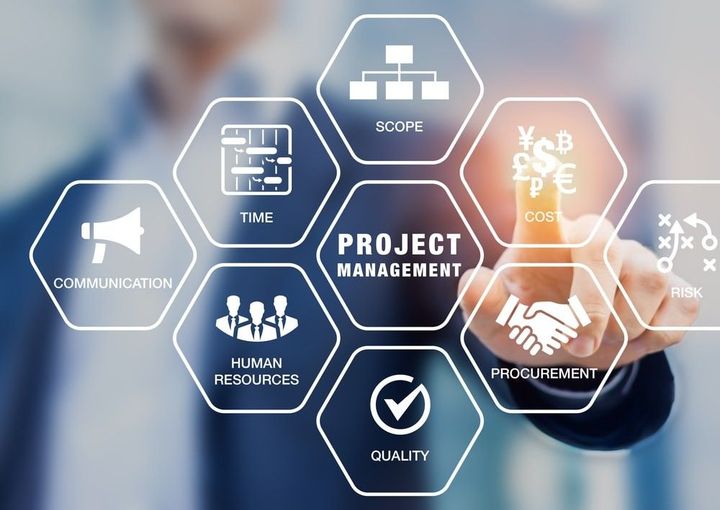
Digital project management tools are software-based systems designed to plan, organize, track, and coordinate work across individuals and teams. These tools exist to replace fragmented methods such as emails, spreadsheets, and paper-based tracking with a centralized digital workspace. As work has become more distributed and technology-driven, managing tasks, timelines, and collaboration manually has grown increasingly difficult.
At their core, digital project management platforms combine task management, scheduling, communication, documentation, and reporting into a single environment. They support structured workflows while remaining flexible enough to adapt to different industries, team sizes, and project types. High CPC informational keywords often associated with this topic include digital project management software, enterprise project management tools, project tracking platforms, and online project collaboration systems.
Importance: Why Digital Project Management Matters
Digital project management tools are essential in today’s fast-paced and interconnected work environments. Teams often collaborate across locations, departments, and time zones, making structured coordination critical for success.
These tools matter because they affect:
- Project managers handling timelines, budgets, and resources
- Team members responsible for executing tasks
- Organizations seeking transparency and accountability
- Stakeholders needing real-time progress visibility
Key problems they help solve:
- Unclear responsibilities and task ownership
- Missed deadlines due to poor tracking
- Scattered information across multiple tools
- Limited visibility into project progress
By centralizing workflows and data, digital project management systems improve consistency, reduce errors, and support better decision-making.
Recent Updates: Trends and Developments
Digital project management tools have evolved significantly with advancements in automation and data-driven systems.
Key trends include:
-
Increased automation
Automated task assignments, reminders, and updates reduce manual effort -
Advanced analytics
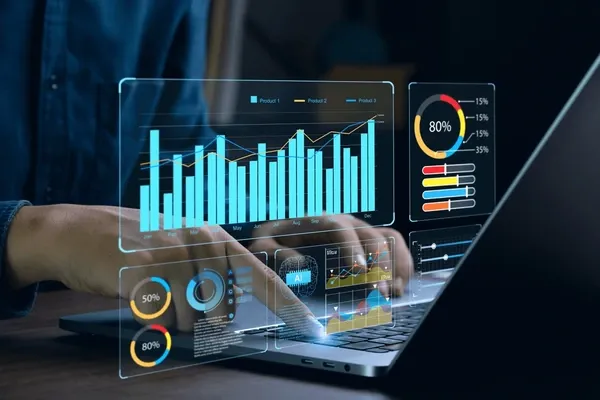
Real-time dashboards and predictive insights improve planning and performance tracking -
Expanded integrations
Seamless connections with communication, documentation, and development tools -
AI-assisted planning
Smart suggestions for timelines, dependencies, and risk identification
These developments show a shift toward intelligent, insight-driven project management rather than simple task tracking.
Laws or Policies: Regulatory Considerations
Digital project management tools are influenced by general data governance and organizational policies.
Key regulatory considerations include:
- Data privacy and secure handling of project information
- Role-based access control for internal governance
- Record retention requirements for documentation and audits
- Organizational policies for communication and workflow management
These frameworks ensure responsible, secure, and consistent use of project management systems.
Tools and Resources: Common Platforms and Aids
A wide range of tools support different project management needs, from simple task tracking to enterprise-level coordination.
Task and workflow platforms:
- Asana
- Trello
- ClickUp
Enterprise and collaboration systems:
- Microsoft Project
- Jira
Supporting resources:
- Project timeline templates
- Work Breakdown Structure (WBS) guides
- Risk assessment matrices
- Online Gantt chart tools
- Reporting and documentation frameworks
Comparison Table
| Feature Area | Basic Tools | Advanced Tools |
|---|---|---|
| Task Tracking | Manual updates | Automated workflows |
| Reporting | Static summaries | Real-time dashboards |
| Integration | Limited connections | Extensive ecosystems |
| Analytics | Descriptive data | Predictive insights |
These tools help teams manage complexity while maintaining clarity and alignment.
FAQs: Common Questions Answered
What is the main purpose of digital project management tools?
They organize tasks, timelines, resources, and communication in a centralized system to improve coordination and visibility.
Are these tools suitable for small teams?
Yes. Many platforms are scalable and can be used for both small projects and large enterprise operations.
How do they support collaboration?
They provide shared workspaces, real-time updates, file sharing, and communication features to keep teams aligned.
What skills are needed to use them?
Basic digital skills, understanding of workflows, and familiarity with project planning concepts are usually sufficient.
Do they replace traditional project management?
No. They enhance traditional methods by adding automation, visibility, and data-driven insights.
Conclusion
Digital project management tools have become a core part of modern work environments.
By improving coordination, transparency, and efficiency, they help teams manage complex projects with greater confidence. As technology continues to evolve, features like automation, analytics, and AI-driven planning will further strengthen their role in shaping organized and effective workflows.