Explore Electric Kettles: A Complete Guide with Tips, Insights & Key Details
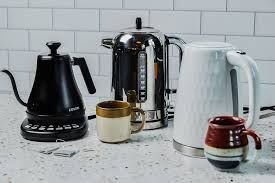
Understanding Electric Kettles and Their Purpose An electric kettle is a simple yet essential household appliance designed to heat water quickly and efficiently using electricity. It replaces traditional stovetop kettles by providing faster boiling times and energy-efficient heating. The concept of electric kettles emerged in the early 20th century, and today, they have become a staple in homes, offices, and even laboratories for instant heating needs.
The working mechanism of an electric kettle revolves around a concealed or exposed heating element that converts electrical energy into heat. When the kettle is switched on, the heating element warms up and transfers heat to the water. Once the water reaches boiling point, a thermostat automatically turns the device off, ensuring safety and energy conservation.
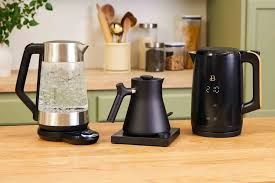
Over the years, the design and performance of electric kettles have evolved significantly. Modern versions come with temperature control, automatic shut-off features, stainless steel bodies, and energy-saving technology. These improvements have made electric kettles not only convenient but also eco-friendly compared to traditional methods of boiling water.
Importance: Why Electric Kettles Matter Today
Electric kettles play an important role in modern living, where convenience, time efficiency, and energy conservation are key priorities. They are used widely in homes for making tea, coffee, instant noodles, and soups, and in workplaces where quick access to hot water is essential.
In an era focused on sustainable living, electric kettles are preferred because they use less electricity compared to boiling water on gas stoves. They help reduce energy waste and support eco-conscious lifestyles. Moreover, smart electric kettles can be connected to mobile apps for remote operation and energy monitoring, appealing to tech-savvy users.
Students, professionals, and travelers find electric kettles especially useful due to their portability and reliability. For example, hostels, dormitories, and small apartments often rely on them for quick meal preparation.
The increasing global awareness about hygiene and safe water consumption has also contributed to the growing importance of electric kettles. They ensure quick boiling, which helps eliminate bacteria and other microorganisms present in water, promoting better health and safety.
Latest Trends and Innovations in Electric Kettles
The electric kettle industry has witnessed several advancements in recent years, driven by technology and consumer demand for efficiency.
Key trends observed between 2023 and 2025 include:
| Year | Trend/Innovation | Description |
|---|---|---|
| 2023 | Smart Electric Kettles | Integration with Wi-Fi and Bluetooth for temperature control via apps |
| 2024 | Energy Efficiency Standards | New models with efficient heating elements and insulated bodies |
| 2025 | Sustainable Materials | Use of recycled stainless steel and BPA-free plastics |
Another emerging feature is variable temperature control, allowing users to select the exact water temperature for different beverages like green tea, black coffee, or instant oatmeal. This improves flavor and ensures proper preparation.
Brands are also focusing on noise reduction and quick-boil technology, reducing boiling time significantly. Many models now include digital displays for temperature and water level, improving usability.
Design trends emphasize minimalist and ergonomic styles, including sleek finishes, touch controls, and compact shapes suited for modern kitchens.
Regulations and Safety Standards
Electric kettles are subject to safety and manufacturing standards set by authorities.
Key regulatory frameworks include:
-
India (BIS Standard – IS 302-2-15:2008)
Ensures safety features like insulation, temperature control, and auto shut-off -
European Union (CE Certification)
Focuses on electrical safety and eco-design compliance -
United States (UL Certification)
Ensures electrical and fire safety -
United Kingdom (UKCA Marking)
Applies post-Brexit safety and compliance standards
Governments also promote energy-efficient appliances. In India, the Bureau of Energy Efficiency (BEE) provides star ratings to encourage reduced electricity consumption.
Consumers are encouraged to choose certified products to ensure safety and performance.
Helpful Tools and Resources
Various tools and resources can help users choose and maintain electric kettles effectively.
Useful tools include:
- Energy consumption calculators to estimate usage and savings
- BIS and BEE portals for certified product information
- Consumer safety websites for product guidance and recalls
- Mobile apps for smart kettle control and monitoring
- Video tutorials for cleaning and maintenance
These resources help improve usage, safety, and longevity of electric kettles.
Frequently Asked Questions
How does an electric kettle heat water so quickly?
It uses a metal heating element that transfers heat efficiently to water, allowing faster boiling compared to traditional methods.
Are electric kettles energy efficient?
Yes. They consume less energy than stovetop heating and include auto shut-off features to prevent energy waste.
What is the best material for an electric kettle?
Stainless steel and borosilicate glass are preferred due to durability and safety. Plastic options are lighter but may retain less heat.
How often should an electric kettle be cleaned?
Ideally every two weeks to prevent limescale buildup, especially in hard water areas.
Can electric kettles purify water?
No. They boil water to kill bacteria but do not remove chemicals or heavy metals.
Conclusion
Electric kettles have become an essential part of modern living, offering a combination of speed, safety, and efficiency.
With continuous innovation in smart features, energy efficiency, and eco-friendly materials, they continue to evolve alongside modern lifestyle needs. Whether used at home, in offices, or while traveling, electric kettles demonstrate how simple appliances can significantly improve daily convenience and sustainability.