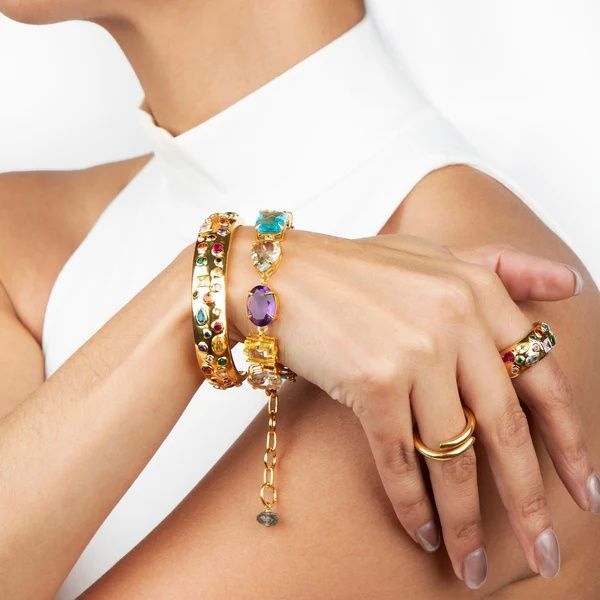
Explore Gemstone Cuffs: A Complete Guide with Tips, Insights, and Style Details
Gemstone cuffs are open-ended bracelets made from metals such as gold, silver, platinum, or mixed alloys and decorated with natural or lab-created gemstones. Unlike chain bracelets, cuffs typically slide onto the wrist and maintain a structured shape. They are known for blending artistic craftsmanship with decorative gemstones such as sapphires, emeralds, rubies, quartz, and semi-precious stones.
Historically, cuff-style jewelry dates back to ancient civilizations including Egypt, Greece, and Rome, where metal arm bands symbolized social status and cultural identity. Over time, gemstone settings were added to enhance visual appeal and symbolic meaning. Today, gemstone cuffs are viewed as both fashion accessories and collectible pieces within the broader luxury gemstone jewelry market.
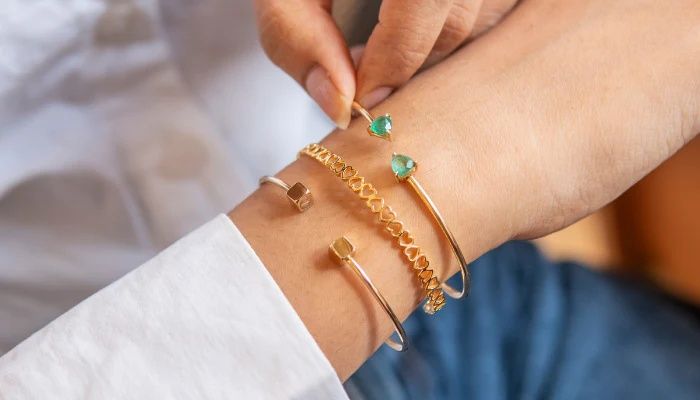
Modern gemstone cuffs exist because they combine structural design with visual versatility. They can be worn alone as statement pieces or layered with watches and bangles. Their open design also allows minor flexibility, making them adaptable to different wrist sizes.
Common gemstone cuff characteristics include:
-
Open-ended or slightly adjustable structure
-
Single-stone centerpiece or multi-stone arrangements
-
Bezel, prong, or channel gemstone settings
-
Smooth or textured metal finishes
-
Contemporary, traditional, or fusion design themes
Gemstone cuffs exist at the intersection of artisan jewelry craftsmanship and evolving fashion accessory trends.
Why Gemstone Cuffs Matter in Today’s Jewelry Landscape
Gemstone cuffs remain relevant for several reasons connected to design, identity, and sustainability. In the broader context of precious stone jewelry guides and fashion accessory trends, they represent both personal expression and long-term material value.
For individuals, gemstone cuffs provide:
-
A structured alternative to flexible bracelets
-
A bold yet refined accessory suitable for formal and casual wear
-
A symbolic piece representing birthstones or cultural motifs
-
A durable format compared to delicate chain designs
For designers and manufacturers, gemstone cuffs support innovation in handcrafted cuff bracelets. Artisans can experiment with:
-
Mixed-metal contrasts
-
Ethical gemstone sourcing
-
Minimalist geometric layouts
-
Heritage-inspired engraving
In recent years, sustainability has become a major topic within sustainable jewelry trends. Many consumers now prefer responsibly sourced gemstones and recycled metals. Gemstone cuffs are often chosen because their design allows visible display of stone origin and craftsmanship quality.
Another reason gemstone cuffs matter is their role in jewelry investment insights discussions. While not all cuffs are considered financial assets, pieces featuring high-grade natural gemstones, certified stones, and hallmarked metals are often preserved as heirloom jewelry.
The following table highlights how gemstone cuffs compare with other bracelet types:
| Feature | Gemstone Cuffs | Chain Bracelets | Beaded Bracelets |
|---|---|---|---|
| Structure | Rigid/Open | Flexible | Elastic/Thread |
| Gemstone Visibility | High | Medium | High |
| Durability | Strong | Moderate | Variable |
| Styling Impact | Statement | Subtle | Casual/Formal |
| Customization Potential | High | Moderate | Moderate |
This comparison explains why gemstone cuffs continue to attract interest across age groups and style preferences.
Recent Developments and Design Trends
In the past year, several noticeable developments have shaped the gemstone cuff segment within the broader luxury gemstone jewelry industry.
One visible shift is toward lab-grown gemstones. These stones offer controlled quality standards and traceable production processes. Consumers interested in environmental transparency often consider lab-created options alongside natural stones.
Minimalist design has also gained momentum. Slim-profile cuffs with single geometric stones—such as oval sapphires or emerald-cut quartz—are increasingly featured in fashion accessory trends.
Color experimentation is another emerging theme. Designers are combining pastel gemstones like morganite and aquamarine with matte metal finishes. This reflects a broader movement toward softer tones and understated elegance.
Sustainable material sourcing continues to influence production. Many brands now publicly document supply chains and emphasize recycled metals. This aligns with global discussions about responsible mining practices and environmental accountability.
Stackable cuff layering has also gained popularity. Instead of wearing one heavy statement piece, individuals layer two or three slim gemstone cuffs to create balanced compositions.
A simplified visual trend summary:
-
Rise in lab-grown gemstones
-
Increased demand for recycled metals
-
Growth of minimalist handcrafted cuff bracelets
-
Expansion of pastel gemstone palettes
-
Emphasis on transparency in sourcing
These updates show how gemstone cuffs adapt to changing design and ethical expectations.
Regulations, Standards, and Policy Considerations
Gemstone cuffs are influenced by hallmark regulations, metal purity standards, and gemstone certification guidelines.
Most countries require hallmarking for precious metals such as gold, silver, and platinum. Hallmarks indicate purity levels and help consumers verify authenticity. For example:
-
Gold purity markings (e.g., 22K, 18K)
-
Silver standards (e.g., 925 sterling)
-
Platinum purity stamps
Gemstone certification from recognized gemological institutions is also important. Certificates describe:
-
Stone type
-
Natural or lab-grown origin
-
Treatment disclosures
-
Carat weight and clarity characteristics
Consumer protection laws typically require accurate labeling. Misrepresentation of gemstone origin or metal purity may result in penalties.
Environmental policies also affect gemstone sourcing. Mining regulations increasingly focus on:
-
Worker safety
-
Environmental restoration
-
Transparent supply chains
In some regions, import and export documentation is required for high-value gemstones. This ensures traceability and compliance with international trade rules.
Understanding these regulations supports informed decisions and helps maintain compliance with jewelry investment insights and industry best practices.
Tools and Resources for Learning and Evaluation
Several tools and platforms help individuals understand gemstone cuffs more effectively.
Educational and Research Platforms
-
Gemological institute websites for gemstone grading information
-
Hallmark verification portals
-
Jewelry design learning platforms
-
Digital gemstone databases
Mobile Apps
-
Gemstone identification apps using image comparison
-
Metal purity reference apps
-
Jewelry care reminder apps
Practical Tools
-
Ring and bracelet sizing charts
-
Magnification tools (loupe) for inspecting settings
-
Soft cloth polishing kits
-
Jewelry storage organizers
Comparison Example: Gemstone Characteristics
| Gemstone Type | Hardness (Mohs Scale) | Typical Color Range | Common Use in Cuffs |
|---|---|---|---|
| Sapphire | 9 | Blue, Pink, Yellow | Center Stone |
| Emerald | 7.5–8 | Green | Statement Design |
| Quartz | 7 | Clear, Rose, Smoky | Minimalist Styles |
| Ruby | 9 | Red | Traditional Motifs |
Hardness levels help determine durability. Stones with higher Mohs ratings typically resist scratches better, which is important for structured cuffs exposed to daily wear.
Jewelry care tips often include:
-
Avoid exposure to harsh chemicals
-
Store cuffs separately to prevent scratching
-
Clean gently with mild soap and soft cloth
-
Inspect prongs or bezels periodically
These resources support both style decisions and long-term preservation.
Frequently Asked Questions
What is the difference between a cuff bracelet and a bangle?
A cuff bracelet usually has an open end and slight flexibility, while a bangle is typically a closed circular structure without an opening.
Are gemstone cuffs suitable for everyday wear?
Yes, especially when made with durable stones such as sapphire or ruby and secure settings. Hardness and craftsmanship influence durability.
How can gemstone authenticity be verified?
Authenticity can be confirmed through gemological certification and metal hallmark stamps. Laboratory reports describe origin, treatments, and grading details.
Do lab-grown gemstones differ from natural stones?
Lab-grown gemstones have the same chemical composition as natural ones but are created in controlled environments. Certification usually identifies the origin type.
How should gemstone cuffs be stored?
Store them in separate soft pouches or lined boxes to prevent metal scratches and gemstone abrasion.
Conclusion
Gemstone cuffs represent a blend of structure, artistry, and symbolic meaning within the broader luxury gemstone jewelry landscape. From ancient origins to modern minimalist styles, they continue to evolve in response to sustainability concerns, ethical sourcing expectations, and design innovation.
Understanding hallmark standards, gemstone certification, and material durability supports informed decisions. With access to gemstone databases, educational platforms, and jewelry care tools, individuals can better appreciate craftsmanship and maintain long-term quality.