Explore Glass Cutting Machines: Basics, Details, Facts & Expert Advice
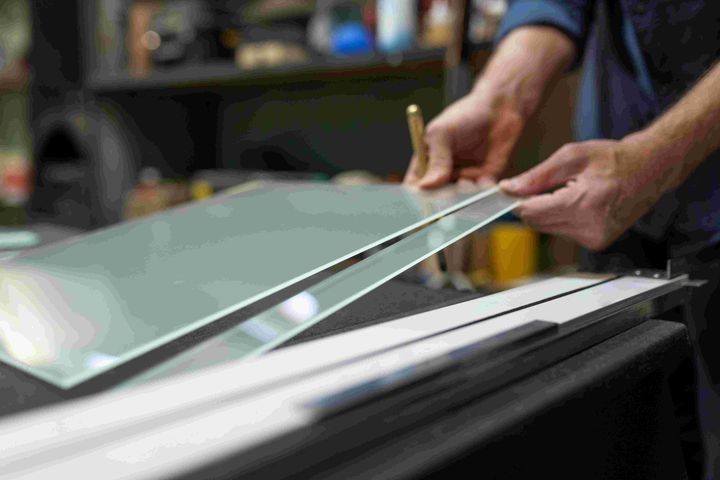
Glass cutting machines are specialized industrial systems designed to shape, trim, and process different types of glass with accuracy. They emerged as manufacturing sectors expanded and required methods that could handle delicate materials without damage. Earlier manual processes relied heavily on skill and hand-controlled cutting, but modern production environments demanded more consistency. This led to the development of mechanical, automated, and digitally controlled glass cutting technologies.
Today, these machines are used across industries that depend on precise materials engineering—construction, automotive components, electronics displays, laboratory equipment, interior structures, and energy technologies such as solar panels. Understanding how these machines function is becoming increasingly important as industries shift toward advanced manufacturing processes and automation.
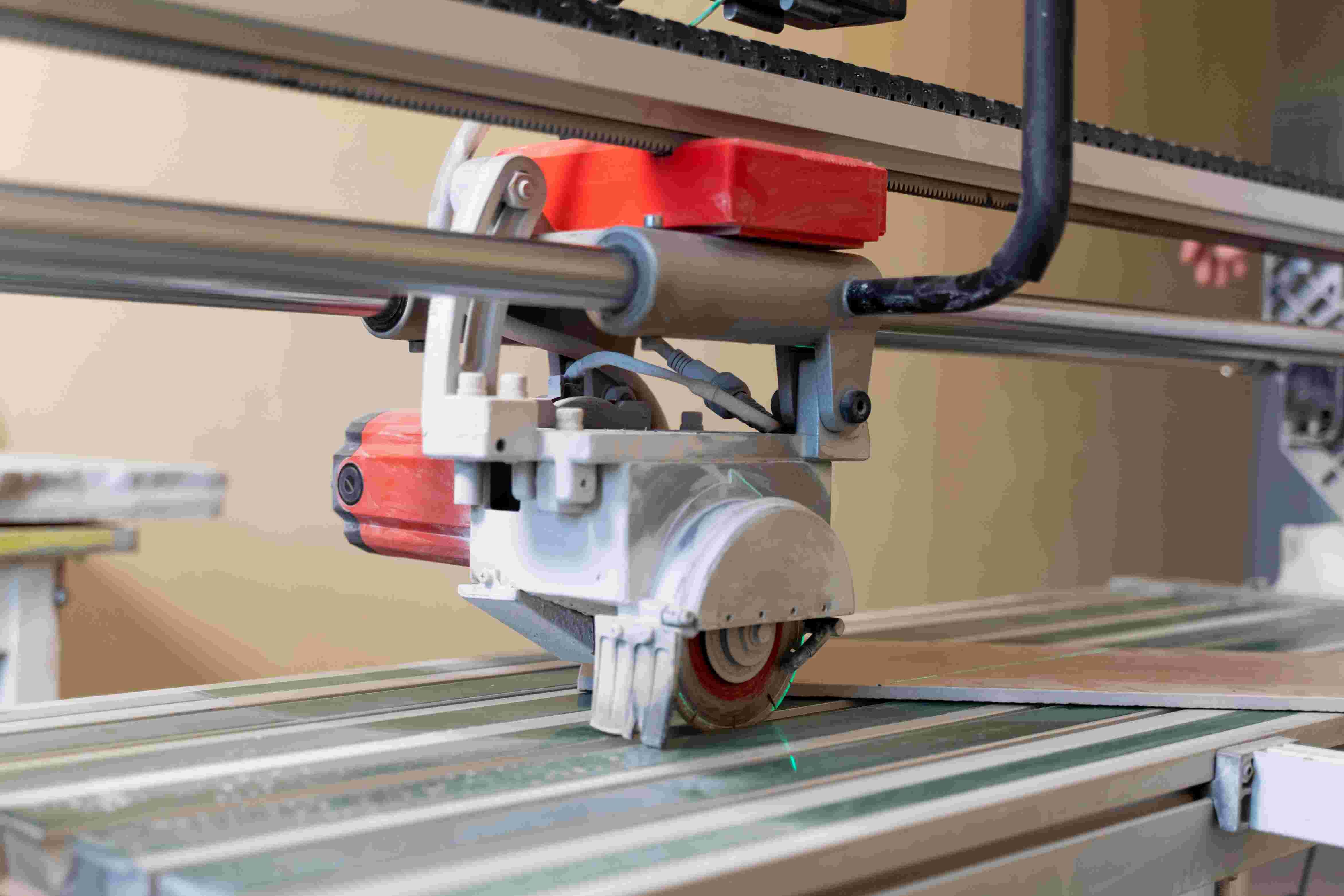
The basic concept involves scoring and separating glass sheets using controlled pressure, thermal technology, or abrasives. Modern models may use CNC technology, laser-guided scoring, waterjet systems, or robotic automation. Each variation supports different levels of accuracy, safety, and production capability, allowing industries to select systems that match their technical requirements.
Importance
Glass cutting machines play a significant role in modern industrial workflows by supporting accurate production, material consistency, and operational safety. They matter today due to several reasons that influence multiple sectors.
Efficiency in Manufacturing Processes
Industries producing architectural glass, vehicle windshields, touchscreen panels, or household fixtures rely on consistent and clean edges. Advanced cutting systems reduce errors in production, limit material waste, and help maintain uniform quality. High-precision engineering has become essential as products require tight dimensional accuracy.
Support for Innovation
Fields such as renewable energy, smart electronics, and automation depend heavily on precisely processed glass components. Solar panel manufacturing requires exact configurations, while electronics demand ultra-fine cutting for display screens. These machines enable reliable production for such innovations.
Improved Safety and Compliance
Manual cutting methods increase risks of injury and breakage. Machine-based systems reduce direct contact, using controlled operations and enclosed cutting zones to improve workplace safety.
Impact on Skilled Workforce
Operators gain experience in automation, mechanical systems, and digital controls, building skills aligned with modern industrial requirements.
Problems They Help Solve
- Misalignment in manual cuts
- High breakage rates
- Inconsistent quality in mass production
- Difficulty in cutting complex shapes
- Need for repetitive precision in bulk operations
These factors highlight the importance of glass cutting machines in improving production standards and supporting industrial growth.
Recent Updates
Recent developments reflect advancements in automation, precision, and sustainability.
Key trends (2024–2025):
-
Automation and robotics
Robotic arms with integrated cutting heads improve accuracy and reduce manual handling. -
CNC and digital control improvements
Enhanced software and motion control reduce micro-cracks and improve edge quality. -
Laser and waterjet innovations
Laser cutting provides cleaner edges, while waterjet systems handle thicker glass effectively. -
Energy-efficient systems
New designs reduce water usage, air pressure consumption, and overall energy demand. -
Safety enhancements
Improved enclosures, emergency stop systems, and real-time monitoring increase safety standards.
These updates show a shift toward smarter, safer, and more efficient glass processing technologies.
Laws or Policies
Glass cutting machines are influenced by industrial safety, environmental, and technical regulations.
Common regulatory areas include:
-
Workplace safety regulations
- Machine guarding
- Emergency stop systems
- Noise and exposure limits
- PPE requirements
- Safe handling of brittle materials
-
Environmental standards
- Waste glass management
- Water discharge control
- Airborne particle reduction
-
Electrical and mechanical compliance
- Proper grounding
- Stability of moving components
- Verified load capacity
-
Industry-specific guidelines
- Construction standards for architectural glass
- Automotive safety regulations
- Electronics precision requirements
These policies ensure safe operations, environmental responsibility, and consistent product quality.
Tools and Resources
Various tools and resources support learning and operation of glass cutting systems.
Technical tools:
- CNC path simulation software
- Material thickness calculators
- Precision measurement tools (calipers, micrometers)
Learning resources:
- Industrial training modules
- Engineering handbooks
- Safety manuals
Knowledge platforms:
- Material engineering websites
- Manufacturing technology portals
- Standards organizations
Templates and checklists:
- Daily inspection checklists
- Maintenance logs
- Glass quality verification sheets
- Safety compliance templates
These tools help ensure accuracy, safety, and efficient workflow management.
FAQs
What is the basic principle of glass cutting machines?
They score the glass surface and apply controlled pressure or thermal processes to separate it along the cut line.
Are all machines fully automated?
No. They range from manual-assisted systems to fully automated CNC machines depending on application needs.
What types of glass can be processed?
Types include float glass, laminated glass, patterned glass, coated glass, and thin electronic display glass.
Do these machines need maintenance?
Yes. Regular inspection, cleaning, and calibration are necessary for consistent performance.
Why is edge quality important?
Smooth edges prevent cracks, improve durability, and ensure proper fitting in applications.
Conclusion
Glass cutting machines are essential for modern manufacturing, offering precision, efficiency, and safety in handling delicate materials. Their evolution reflects advancements in automation, digital systems, and material science.
As industries expand across construction, automotive, electronics, and renewable energy, the need for precise glass processing continues to grow. Understanding their operation, tools, and regulations helps professionals and learners adapt to this evolving industrial landscape.