Explore Google Remarketing: Overview, Advice & Key Facts
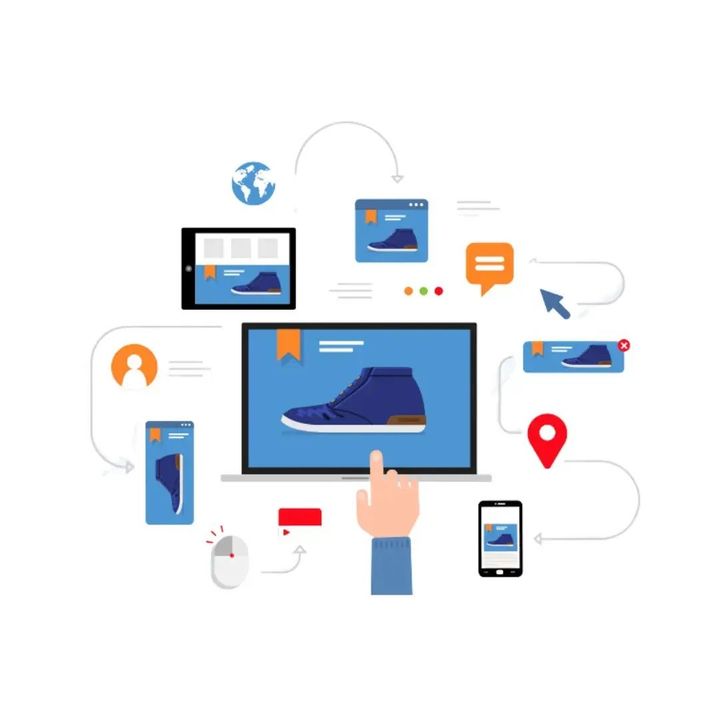
Google Remarketing is a digital advertising strategy that reconnects with people who have previously interacted with a website, app, or online content. It exists because most visitors do not complete an action—such as filling out a form or reading multiple pages—during their first visit. Remarketing helps advertisers show relevant ads to these users as they continue browsing other websites or platforms.
Within the ecosystem of Google, remarketing is powered mainly through Google Ads and connected services such as Google Analytics. It is widely used in pay-per-click (PPC) advertising, display advertising, and search engine marketing (SEM) strategies.
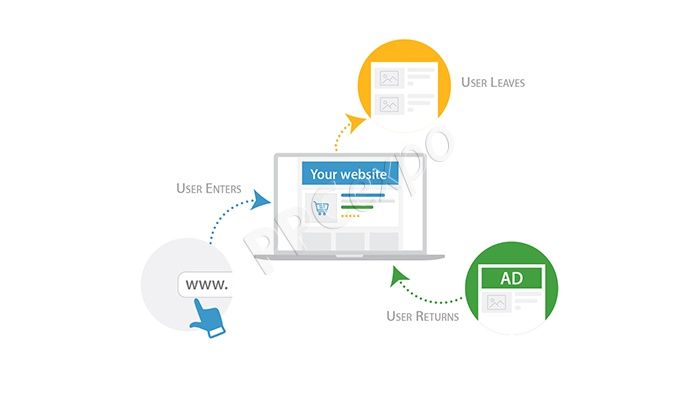
Remarketing operates through tracking technologies such as browser cookies, advertising IDs, and audience lists. When a user visits a website with a remarketing tag installed, that interaction is added to an audience segment. Ads can later be displayed to that segment across the Google Display Network, YouTube, or search results.
Why Google Remarketing Matters
Digital advertising competition has increased significantly. High CPC keywords in industries such as digital marketing strategy, conversion rate optimization, enterprise software, financial services marketing, and SaaS advertising make every website visit valuable. Remarketing helps maximize the value of those visits.
Most users compare options before making decisions. Remarketing ensures that brands remain visible during this evaluation phase. Instead of targeting broad audiences repeatedly, advertisers can focus on users who have already shown intent.
Remarketing affects:
-
E-commerce platforms
-
SaaS companies
-
Educational institutions
-
Financial services providers
-
Content publishers
-
B2B marketing teams
It helps address several challenges:
-
Low initial conversion rates
-
Abandoned shopping carts
-
High bounce rates
-
Long decision-making cycles
-
Inefficient ad spend
Below is a simplified comparison between general PPC campaigns and remarketing campaigns:
| Feature | Standard PPC Campaign | Remarketing Campaign |
|---|---|---|
| Audience Type | Broad or keyword-based | Previous website visitors |
| Intent Level | Mixed | Higher intent |
| Conversion Potential | Moderate | Typically higher |
| Cost Efficiency | Depends on targeting | Often more efficient per conversion |
| Personalization | Limited | Audience-specific messaging |
Remarketing also supports conversion rate optimization by allowing tailored messaging. For example, someone who viewed a pricing page can see a different ad compared to someone who read a blog article.
Recent Updates and Trends
In the past year, privacy and data transparency changes have shaped how remarketing works. Browser restrictions on third-party cookies have expanded, encouraging advertisers to focus on first-party data strategies. This shift supports:
-
Customer match lists
-
Consent-based tracking
-
Enhanced conversion measurement
Another key trend is automation powered by machine learning within Google Ads. Smart bidding strategies now integrate remarketing signals to optimize cost-per-acquisition (CPA) and return on ad spend (ROAS).
Video remarketing has also grown significantly. Integration with YouTube enables advertisers to re-engage viewers who watched specific videos or interacted with channels.
Audience segmentation has become more granular. Advertisers can build lists based on:
-
Time spent on site
-
Pages viewed
-
Scroll depth
-
Event tracking
-
Form interaction
Additionally, performance reporting tools now provide deeper insights into attribution models. Data-driven attribution helps marketers understand how remarketing contributes to overall digital marketing performance.
A simple visualization of how remarketing fits into a digital funnel is shown below:
Website Visit → Audience List → Ad Impression → Click → Conversion
Machine learning systems analyze user behavior patterns and automatically adjust bids to improve campaign efficiency.
Laws and Policy Considerations
Remarketing is closely connected to privacy and data protection regulations. Advertising platforms require transparency about data collection and user consent.
Key policy areas include:
-
Cookie consent disclosure
-
Clear privacy policies
-
User opt-out mechanisms
-
Sensitive category restrictions
-
Personalized advertising guidelines
Google Ads policies prohibit targeting based on sensitive personal data such as health conditions, financial hardship, or protected characteristics. Advertisers must avoid misleading claims and ensure accurate representation.
Consent management platforms are often used to collect and document user permissions before activating remarketing tags. Many regions require explicit consent for tracking technologies.
Data minimization is also encouraged. Only necessary information should be collected, stored securely, and used responsibly.
Compliance is important not only for legal reasons but also for maintaining trust and long-term advertising sustainability.
Tools and Resources
Several tools help manage and optimize remarketing campaigns effectively.
Google Ads
Primary platform for creating remarketing lists, display campaigns, search remarketing lists (RLSA), and performance tracking.
Google Analytics
Supports audience segmentation based on user behavior and event tracking.
Google Tag Manager
Simplifies implementation of tracking tags without directly editing website code.
Consent Management Platforms
Used to manage user consent and cookie preferences.
Keyword Research Tools
Helpful for identifying high CPC keywords in PPC advertising, such as digital marketing analytics, enterprise CRM software, online MBA programs, and cloud computing services.
Performance Dashboards
Custom dashboards provide insights into click-through rates, impression share, and conversion metrics.
Below is an example structure of a remarketing audience segmentation table:
| Audience Segment | Criteria | Recommended Ad Approach |
|---|---|---|
| Cart Viewers | Viewed cart but no purchase | Reminder message |
| Blog Readers | Read 2+ articles | Educational content |
| Pricing Page Visitors | Viewed pricing section | Value-focused messaging |
| Returning Users | Multiple visits | Reinforcement messaging |
Visual workflow of tag deployment:
These tools support data-driven marketing decisions and allow advertisers to adjust bidding strategies, refine targeting, and improve return on advertising investment.
Frequently Asked Questions
What is the difference between remarketing and retargeting?
The terms are often used interchangeably. In Google Ads, remarketing refers to showing ads to previous website visitors using audience lists.
Does remarketing increase conversion rates?
Remarketing often improves conversion performance because it targets users who have already shown interest. However, results depend on audience quality and campaign structure.
Is user consent required for remarketing?
In many regions, user consent is required before placing tracking cookies. Clear disclosure and opt-out options are important for compliance.
Can remarketing be used in search campaigns?
Yes. Remarketing Lists for Search Ads (RLSA) allow advertisers to adjust bids or show tailored ads when past visitors search again.
Is remarketing suitable for B2B industries?
Yes. B2B companies often use remarketing to stay visible during long research cycles, particularly in sectors with high-value leads.
Conclusion
Google Remarketing is a data-driven digital advertising method designed to re-engage users who have previously interacted with online content. It plays a central role in PPC advertising, conversion rate optimization, and performance marketing strategies.
As privacy regulations evolve and third-party cookies decline, first-party data and consent-based tracking are becoming increasingly important. Automation, smart bidding, and audience segmentation continue to improve campaign efficiency.
When implemented responsibly and transparently, remarketing supports sustainable digital marketing growth. It enhances audience targeting, strengthens brand recall, and improves the effectiveness of high CPC campaigns in competitive industries.