Explore Industrial Coating Systems: Overview, Facts, Tips and Useful Knowledge
Industrial coating systems refer to protective layers applied to materials such as metal, concrete, plastic, and composites in order to enhance durability, corrosion resistance, and surface performance. These coatings are commonly used in sectors such as manufacturing, construction, transportation, marine infrastructure, and energy facilities.
The concept developed as industries began facing challenges related to corrosion, environmental exposure, chemical reactions, and mechanical wear. When equipment or structures operate in demanding environments—such as high humidity, salt exposure, temperature variations, or chemical contact—unprotected surfaces can degrade quickly.

Industrial coatings address these issues by forming a barrier between the material and external elements. The coatings may include multiple layers such as primers, intermediate coats, and topcoats. Each layer contributes a specific function, such as adhesion, corrosion protection, or UV resistance.
Common coating technologies include:
- Epoxy coatings
- Polyurethane coatings
- Powder coatings
- Zinc-rich coatings
- Ceramic and thermal barrier coatings
These technologies have evolved alongside industrial development. As manufacturing processes became more advanced and environmental expectations increased, coating systems were refined to deliver better performance and longer service life.
Why Industrial Coating Systems Matter
Industrial coating systems play an important role in maintaining the safety, reliability, and lifespan of infrastructure and equipment. Without protective coatings, many industrial materials would deteriorate quickly due to environmental and operational stresses.
Corrosion, for example, is a major concern across industries. Metal structures exposed to moisture and oxygen gradually weaken through oxidation. Protective coatings help prevent this process, preserving structural integrity.
The topic affects a wide range of sectors, including:
- Construction and infrastructure projects
- Automotive and transportation industries
- Energy generation and transmission facilities
- Marine and offshore equipment
- Industrial machinery manufacturing
In addition to corrosion protection, coatings also provide functional benefits such as:
- Improved resistance to abrasion and impact
- Chemical protection in processing environments
- Thermal insulation in high-temperature applications
- Improved visibility and safety through color coding
- Reduced maintenance frequency
Common Industrial Coating Purposes
| Coating Purpose | Typical Application Area | Key Benefit |
|---|---|---|
| Corrosion protection | Steel structures, pipelines | Extends material lifespan |
| Chemical resistance | Chemical plants, storage tanks | Prevents degradation |
| Thermal protection | Boilers, turbines | Handles high temperatures |
| Abrasion resistance | Mining equipment | Protects against wear |
| UV protection | Outdoor infrastructure | Prevents sunlight damage |
As infrastructure expands and equipment becomes more complex, protective coating systems continue to play a critical role in maintaining long-term performance.
Recent Developments and Industry Trends
Industrial coating technologies continue to evolve due to advancements in materials science, environmental awareness, and manufacturing efficiency.
One noticeable development involves the growing adoption of environmentally responsible coating formulations. Researchers and manufacturers have been focusing on reducing volatile organic compounds (VOCs), which can affect air quality. New water-based and low-emission coatings are being developed to meet stricter environmental standards.
Another trend relates to smart coatings. These coatings incorporate materials that can respond to environmental conditions. For example, self-healing coatings contain microscopic capsules that release protective agents when the surface is damaged.
Recent research publications during the past year have also highlighted advancements in nanotechnology coatings. Nanoparticles added to coating formulations can improve hardness, corrosion resistance, and hydrophobic properties.
Digital technologies are also influencing coating inspection and monitoring. Sensors and digital inspection tools now help engineers detect early signs of coating degradation, allowing maintenance teams to respond before major damage occurs.
Industry Trend Overview
| Trend | Description | Industry Impact |
|---|---|---|
| Low-VOC coatings | Reduced emissions | Regulatory compliance |
| Smart coatings | Self-healing materials | Longer lifespan |
| Nanotechnology coatings | Enhanced surface properties | Higher durability |
| Digital inspection tools | Sensor-based monitoring | Predictive maintenance |
| Advanced powder coatings | Improved curing efficiency | Lower energy use |
These developments reflect broader changes in industrial technology, sustainability goals, and infrastructure modernization.
Regulations and Policy Considerations
Industrial coating systems are influenced by various environmental and workplace safety regulations. These rules are typically designed to manage chemical emissions, worker safety, and environmental protection.
One area of regulation relates to air quality standards. Many jurisdictions monitor the release of volatile organic compounds during coating application. Manufacturers and industrial facilities often adjust formulations or processes to align with emission guidelines.
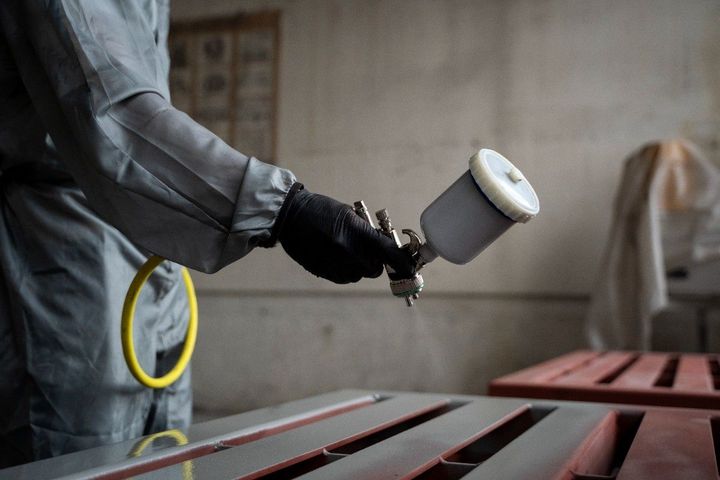
Occupational safety guidelines also play a role. Workers applying coatings may interact with chemicals, solvents, or spray equipment. Safety protocols therefore focus on protective equipment, ventilation, and safe handling practices.
Another regulatory aspect involves hazardous materials management. Some older coating formulations included substances that require strict control due to environmental or health considerations.
Infrastructure sectors such as marine construction, transportation systems, and energy pipelines may also follow technical coating standards issued by engineering organizations. These standards help ensure coatings perform reliably under specific environmental conditions.
Key regulatory priorities include:
- Environmental protection
- Worker safety
- Infrastructure reliability
Compliance with these standards helps industries maintain responsible and sustainable operations.
Tools and Resources for Understanding Industrial Coatings
Several tools and resources can help individuals learn more about industrial coating systems and evaluate performance.
Helpful tools include:
- Coating thickness calculators
- Corrosion risk assessment tools
- Material compatibility charts
- Surface preparation guides
- Inspection checklists and templates
These tools assist engineers and technicians in selecting appropriate coating systems and ensuring proper application.
Resource Categories Overview
| Resource Type | Purpose |
|---|---|
| Thickness Calculators | Estimate coating layers |
| Corrosion Assessment Tools | Analyze environmental exposure |
| Compatibility Charts | Match coatings with materials |
| Surface Prep Guides | Ensure proper adhesion |
| Inspection Templates | Evaluate coating quality |
Professional organizations and research institutions also provide technical documentation and studies on coating technologies.
Frequently Asked Questions
What is the main purpose of industrial coating systems?
Industrial coatings protect materials from corrosion, environmental exposure, and mechanical wear, helping extend the lifespan of structures and equipment.
What materials are commonly used?
Common materials include epoxy resins, polyurethane compounds, acrylic polymers, ceramic particles, and zinc-based coatings.
Why is surface preparation important?
Proper surface preparation ensures strong adhesion between the coating and the material, improving performance and durability.
How is coating performance evaluated?
Performance is tested through laboratory analysis and field inspections, measuring properties such as corrosion resistance, hardness, and chemical stability.
Are industrial coatings used outside heavy industries?
Yes. They are also used in architecture, electronics, consumer appliances, and transportation equipment.
Key Characteristics of Common Industrial Coatings
| Coating Type | Main Feature | Typical Use |
|---|---|---|
| Epoxy | Strong adhesion and chemical resistance | Pipelines and tanks |
| Polyurethane | UV resistance and flexibility | Outdoor equipment |
| Powder coating | Durable and uniform finish | Machinery and appliances |
| Zinc-rich coating | Corrosion protection | Steel structures |
| Ceramic coating | High-temperature resistance | Turbines and engines |
Conclusion
Industrial coating systems are an essential part of modern infrastructure and manufacturing processes. By protecting surfaces from corrosion, environmental exposure, and mechanical stress, these coatings help ensure durability and reliability.
Advances in materials science have expanded coating capabilities, introducing environmentally responsible formulations, smart materials, and improved durability. These innovations allow industries to maintain high performance while adapting to environmental expectations.
Regulations and safety standards continue to guide coating system development, ensuring responsible material handling and environmental protection. At the same time, digital tools and educational resources support better understanding of coating performance and maintenance.