Explore Industrial Laser Cutting for Metal Fabrication
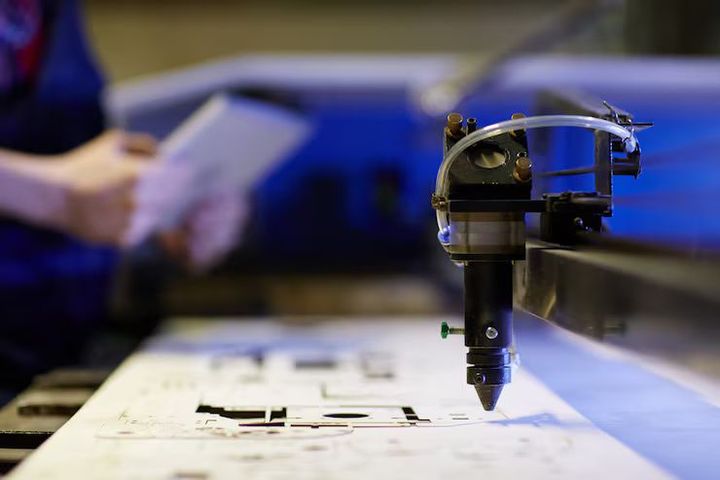
Industrial laser cutting machines are advanced manufacturing systems used to cut, shape, and engrave metal materials with high precision. These machines use focused laser beams to melt, burn, or vaporize metal, creating clean and accurate cuts. Common materials include stainless steel, carbon steel, aluminum, and copper alloys.
The development of laser cutting technology began as industries sought more efficient and precise alternatives to traditional cutting methods such as mechanical shearing and plasma cutting. Over time, innovations in fiber laser systems, CNC (Computer Numerical Control), and automation have made these machines essential in modern industrial production.
Laser cutting machines are widely used in industries such as automotive manufacturing, aerospace engineering, construction, electronics, and heavy machinery production. Their ability to deliver consistent quality and reduce material waste has made them a standard solution in metal fabrication processes.
Importance
Precision Manufacturing and Material Efficiency
Laser cutting technology enables extremely high precision, often within microns. This level of accuracy reduces errors and minimizes material waste, making it highly valuable in industries where tight tolerances are required.
Industrial Automation and Productivity
Modern laser cutting systems are integrated with CNC programming and automation features. This allows manufacturers to produce complex parts quickly and consistently, supporting high-volume production without compromising quality.
Applications Across Key Industries
Laser cutting machines play a critical role in sectors such as automotive, where they are used to create body panels and components, and aerospace, where precision and material integrity are essential. They are also used in electronics manufacturing for intricate parts and in construction for structural components.
Solving Manufacturing Challenges
Traditional cutting methods often struggle with complex designs, thin materials, or high-speed production requirements. Laser cutting addresses these challenges by offering flexibility, speed, and reduced mechanical stress on materials.
Energy Efficiency and Sustainability
Compared to some conventional methods, modern fiber laser machines consume less energy and generate less waste. This aligns with increasing industry focus on sustainable manufacturing practices and reduced environmental impact.
Recent Updates
Growth of Fiber Laser Technology
In 2024 and 2025, fiber laser cutting machines have become more widely adopted due to their higher efficiency and lower maintenance compared to CO₂ laser systems. Fiber lasers offer faster cutting speeds and better performance on reflective metals such as aluminum and brass.
Integration of Artificial Intelligence
Recent advancements include the integration of AI-driven software for process optimization. These systems can automatically adjust cutting parameters based on material type and thickness, improving efficiency and reducing human intervention.
Smart Factory and Industry 4.0
Laser cutting machines are increasingly connected to digital manufacturing ecosystems. In 2025, many systems support real-time monitoring, predictive maintenance, and data analytics, allowing manufacturers to improve operational efficiency.
Environmental and Energy Regulations
In recent years, stricter environmental standards have encouraged the development of energy-efficient laser systems. Manufacturers are focusing on reducing emissions, optimizing power consumption, and improving cooling systems.
Expansion in Emerging Markets
Countries in Asia, including India, have seen increased adoption of laser cutting technology due to growth in manufacturing sectors and government initiatives promoting industrial modernization.
Laws or Policies
Industrial Safety Regulations
Laser cutting machines must comply with safety standards related to radiation exposure, electrical systems, and workplace safety. Operators are required to follow guidelines that include protective equipment and controlled environments.
Environmental Compliance
Governments enforce regulations on emissions, waste management, and energy usage in manufacturing facilities. Laser cutting machines must meet these requirements, especially in industries dealing with hazardous materials.
Standards and Certifications
International standards such as ISO certifications play a role in ensuring quality and safety in laser cutting operations. Compliance with these standards helps maintain consistency and reliability in manufacturing processes.
Government Initiatives
In countries like India, programs supporting manufacturing and digital transformation encourage the adoption of advanced technologies such as laser cutting machines. These initiatives aim to improve productivity and global competitiveness.
Tools and Resources
CNC Programming Software
CNC software is essential for designing and controlling laser cutting operations. These tools allow users to create detailed cutting patterns and automate machine movements.
CAD Design Platforms
Computer-Aided Design tools are used to create digital models of components before they are cut. These platforms support precise design and easy modification of complex geometries.
Material Optimization Calculators
These tools help manufacturers determine the best layout for cutting materials, reducing waste and improving efficiency.
Machine Monitoring Systems
Modern laser cutting machines often include monitoring systems that track performance, detect issues, and provide maintenance alerts.
Training and Simulation Tools
Simulation software allows operators to practice and optimize cutting processes without using actual materials, reducing errors and improving skills.
Key Comparison of Laser Cutting Technologies
| Feature | Fiber Laser Systems | CO₂ Laser Systems |
|---|---|---|
| Energy Efficiency | High | Moderate |
| Maintenance Requirements | Low | Higher |
| Cutting Speed | Fast | Moderate |
| Material Compatibility | Excellent for metals | Suitable for various materials |
| Operating Complexity | Moderate | Moderate |
Process Overview of Laser Cutting
| Step | Description |
|---|---|
| Design Creation | CAD model of the part is developed |
| Programming | CNC instructions are generated |
| Material Setup | Metal sheet is positioned on the machine |
| Laser Cutting | Laser beam cuts according to programmed design |
| Finishing | Edges are cleaned and inspected |
FAQs
What is industrial laser cutting used for
Industrial laser cutting is used to shape and cut metal components with high precision. It is commonly applied in automotive, aerospace, and construction industries.
How does a laser cutting machine work
A laser cutting machine uses a focused beam of light to heat and melt material. The process is controlled by CNC software to follow a specific design pattern.
What materials can be processed with laser cutting
Laser cutting machines can process metals such as steel, aluminum, copper, and alloys. Some systems can also handle non-metal materials depending on the technology used.
What are the advantages of fiber laser technology
Fiber laser systems offer high efficiency, faster cutting speeds, lower maintenance, and better performance on reflective metals compared to traditional systems.
Is laser cutting environmentally friendly
Laser cutting can be more environmentally efficient than some traditional methods due to reduced waste and lower energy consumption, especially with modern systems.
Conclusion
Industrial laser cutting machines have become a key component of modern metal fabrication. Their ability to deliver precise, efficient, and consistent results makes them valuable across multiple industries. With ongoing advancements in fiber laser technology, automation, and digital integration, these machines continue to evolve and support the growing demands of manufacturing.
As industries focus on efficiency, sustainability, and innovation, laser cutting technology is expected to play an even greater role in shaping the future of industrial production. Understanding its fundamentals, applications, and regulatory context helps businesses and individuals make informed decisions in a rapidly changing manufacturing landscape.