Explore Industrial Safety Helmets: Guide, Knowledge & Helpful Information
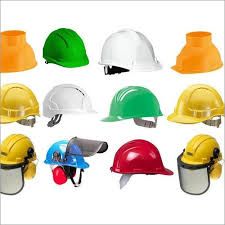
When workers in environments such as construction, mining, manufacturing, or heavy industry are exposed to physical hazards — for example, falling objects, side impacts, overhead equipment, or moving machinery — the risk of head injury rises significantly. A safety helmet, or hard hat, is a piece of personal protective equipment (PPE) designed to reduce the risk of such injuries by absorbing and deflecting impact forces.
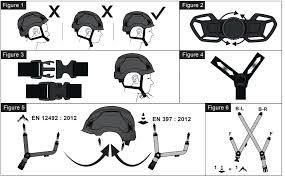
In practice, an industrial safety helmet typically consists of a hard outer shell, a suspension system or cradle inside to absorb shock, and sometimes a chin strap or other retention system to keep it in place. Standards have been developed to define how helmets should perform, the materials they may use, and how they are tested. For example, in India, the standard IS 2925:1984 defines requirements for materials, construction, workmanship, and performance of industrial safety helmets.
In short: industrial safety helmets exist to reduce the likelihood and severity of head injuries in hazardous occupational settings, by providing protective coverage and absorbing impact energy.
Importance
Why does this matter today?
Worker safety and injury prevention. Head injuries can be serious, leading to disability or fatality. A well-designed safety helmet offers a direct means to reduce risk in many industrial contexts.
Regulatory compliance and employer duty. Employers and organisations are increasingly required to provide appropriate PPE and enforce its use; failure to do so may lead to legal or regulatory consequences.
High-risk sectors. Construction, mining, oil & gas, utilities, manufacturing, warehousing, and infrastructure projects often involve overhead hazards, moving objects, or unstable surfaces — making proper head protection essential.
Global industrial expansion. As many regions expand infrastructure and manufacturing capacity, more workers are entering roles with head-hazard exposures; this increases the scale of need for effective helmets.
Preventing downstream costs. Beyond the immediate human cost, head injuries can lead to lost productivity, higher insurance claims, and reputational harm for employers.
Problems it helps solve include:
- Reducing impact from falling or flying objects
- Minimising injury from side impacts or strikes against fixed structures
- Mitigating risk in environments with moving machinery overhead or hazardous utilities
- Helping ensure workers are visibly identified as protected in mission-critical environments
Recent Updates
Here are some of the more recent trends and changes in the domain of industrial safety helmets:
Market growth
The industrial safety helmet market is growing steadily worldwide due to stricter safety regulations and infrastructure expansion. Recent estimates show the market could reach over USD 4 billion by 2029.
Technological innovation
Smart helmet features are becoming more common, such as sensors to detect impacts or falls, brain-protection systems like MIPS technology, and materials designed to manage rotational forces.
Standard updates and awareness
Greater emphasis is now placed on verifying compliance with standards like IS 2925, as counterfeit and substandard helmets remain a problem in some regions.
Material and design evolution
Manufacturers are shifting to advanced materials like ABS, HDPE, and polycarbonate to enhance durability, comfort, and ventilation, encouraging better user compliance.
The net effect is that helmet design and market dynamics are evolving — moving beyond simple plastic shells to more integrated, performance-oriented PPE.
Laws or Policies
Here is how helmet use and manufacturing are affected by regulations, standards, and certification frameworks in India (and globally):
Standards and Certification
- IS 2925:1984 outlines requirements for industrial safety helmets, including material, design, performance, and testing
- International standards such as EN 397 also apply in many regions
- BIS mandates certification and ISI marking for compliant helmets
Occupational Safety Legislation
- The Occupational Safety, Health and Working Conditions Code, 2020 requires employers to provide appropriate PPE
- Manufacturers must meet compliance, certification, and labelling standards
Employer and Workplace Policy
- Mandatory helmet use in designated work zones
- Regular inspection and maintenance procedures
- Replacement schedules based on usage and condition
- Procurement from certified suppliers
Regulation Overview Table
| Regulation Area | Key Elements | Implication |
|---|---|---|
| Product Standard (Helmet) | Material, design, impact tests, retention system | Helmet must meet these to be approved |
| Certification & Labelling | ISI mark, licence number, traceability | Ensures authenticity and compliance |
| Workplace Safety Law | Employer duty, PPE enforcement, record keeping | Helmet use becomes mandatory |
| Procurement & Replacement | Approved sourcing, inspection, timely replacement | Ensures consistent protection |
Tools and Resources
Here are useful tools and resources for understanding and managing industrial safety helmets:
Key resources include:
- Bureau of Indian Standards (BIS) for certification and compliance guidelines
- IS 2925 product manuals detailing testing and approval processes
- Industry reports for market trends and innovation insights
- PPE inspection checklists for evaluating helmet condition
- Online safety training modules for correct usage and maintenance
- Smart helmet technology resources for IoT-based safety solutions
- Manufacturer manuals for sizing, care, and replacement guidelines
These tools help ensure proper selection, maintenance, and compliance in industrial environments.
FAQs
Q1: How often should an industrial safety helmet be replaced?
Helmets should be replaced if damaged or typically every 3–5 years depending on exposure to conditions like sunlight or temperature extremes.
Q2: Can one helmet protect against all hazards?
No. Different helmets are designed for specific risks such as impact, electrical hazards, or side protection.
Q3: What should be checked before selecting a helmet?
Check for certification, durable materials, adjustable suspension, secure fit, and compatibility with other PPE.
Q4: What new technologies are used in helmets?
Modern helmets may include sensors, communication systems, improved ventilation, and ergonomic designs.
Q5: What are the risks of non-certified helmets?
They may fail to provide proper protection and can lead to injuries and legal issues due to non-compliance.
Conclusion
Industrial safety helmets are a critical part of workplace safety in hazardous environments. They protect workers from serious head injuries and support compliance with safety regulations.
With advancements in materials and smart technologies, helmets are becoming more effective and comfortable. Proper selection, regular inspection, and timely replacement ensure maximum protection and help create safer, more productive workplaces.