Explore Silk Printing Machines: Basics, Tips & Essential Details
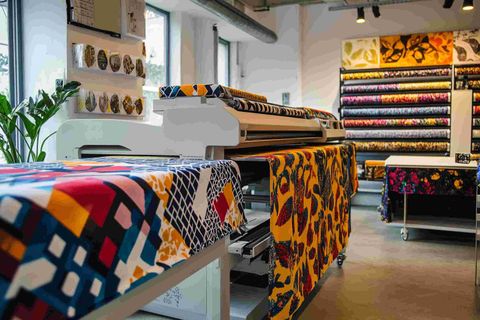
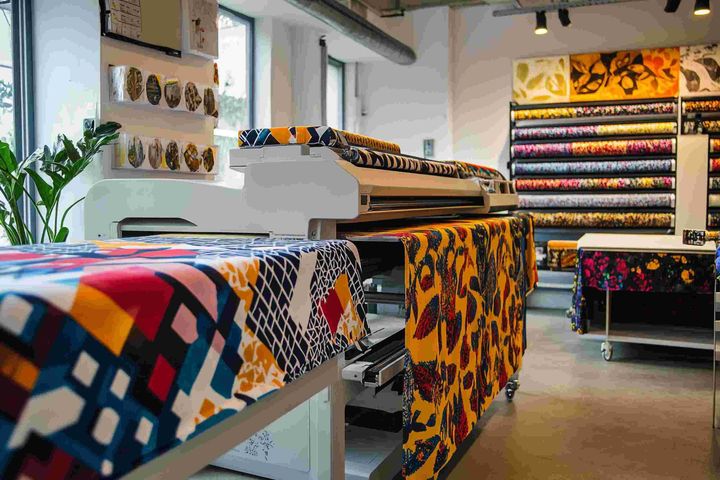
Silk printing machines are used to transfer designs, patterns, or artwork onto fabric through a mesh-based printing technique. The method originated from traditional screen printing, where artisans manually pushed ink through a stencil. Over time, this process evolved into modern silk printing, supported by mechanical and digital machinery for smoother and more precise outputs.
These machines exist to simplify fabric printing, improve consistency, and increase production capacity. The technique is widely applied in textiles, fashion, home décor materials, promotional fabrics, and industrial printing. The name “silk printing” comes from the historical use of silk mesh, although many modern machines now use synthetic mesh for durability.
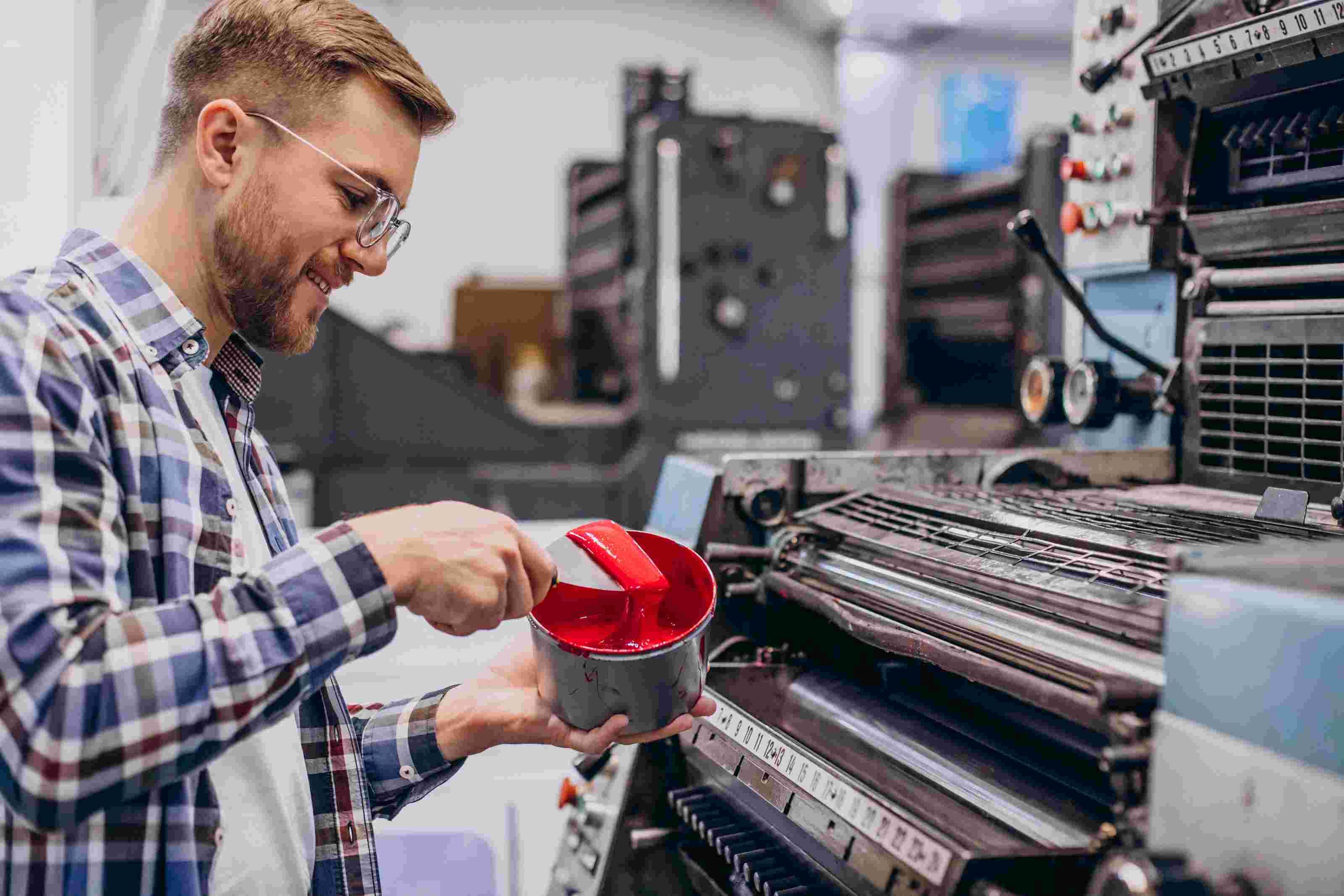
Modern silk printing machines combine mechanical frames, tension systems, squeegees, and ink-handling features to allow multi-color printing, detailed artwork reproduction, and uniform results across large volumes. The technology continues to evolve, blending traditional craftsmanship with innovations such as digital alignment, eco-friendly inks, and automated drying systems.
Importance: Why Silk Printing Machines Matter Today
Silk printing (screen printing) remains highly relevant because it delivers durable, high-quality prints across many materials. It supports both traditional craftsmanship and modern production needs.
Key reasons it matters:
-
Textile industry demand
Widely used for apparel, accessories, and home décor with consistent color and finish -
Creative flexibility
Allows designers to experiment with patterns, cultural designs, and artistic styles -
Durability and precision
Produces strong ink layers suitable for frequent washing and outdoor use -
Scalable production
Works for small artisan setups as well as large industrial units -
Multi-surface applications
Used on fabrics, paperboard, ceramics, glass, and some plastics
Silk printing machines help solve issues like inconsistent manual printing, uneven colors, and slow production processes.
Recent Updates and Trends (2024–2025)
The silk printing industry has evolved with improvements in sustainability and automation.
Notable developments include:
-
Eco-friendly inks
Shift toward water-based and low-VOC inks to reduce environmental impact -
Automation improvements
Automated screen alignment and digital registration reduce errors and increase speed -
Advanced mesh materials
Synthetic meshes offer better ink flow and longer lifespan than traditional silk -
Smart monitoring systems
Digital panels track ink flow, pressure, and drying conditions -
Sustainability focus
Efforts to reduce water usage, waste, and emissions in textile production
These trends highlight a move toward cleaner, more efficient, and technology-driven printing processes.
Laws or Policies: Regulatory Considerations
Silk printing machines operate under broader textile and manufacturing regulations.
Key regulatory areas include:
-
Environmental guidelines
Control ink waste and encourage eco-friendly materials -
Workplace safety standards
Ensure proper ventilation, machine handling, and protective equipment -
Chemical compliance
Regulate pigments, solvents, and additives used in printing -
Textile labeling requirements
Ensure correct labeling of printed fabrics -
Sustainability programs
Promote energy-efficient and low-emission production practices
These policies ensure safe, responsible, and environmentally conscious operations.
Tools and Resources: Supporting Silk Printing Workflows
Various tools help improve accuracy, design quality, and production efficiency.
Technical tools:
- Mesh count calculators for selecting correct screen density
- Color management software for accurate color reproduction
- Ink mixing guides for precise shade matching
- Heat and drying meters for proper curing
- Artwork preparation software (vector and image editing tools)
Educational resources:
- Screen preparation and stencil guides
- Fabric compatibility charts
- Color theory references
- Industry reports on trends and sustainability
Mesh Count Reference Table
| Mesh Count Range | Suitable Use Case | Ink Type |
|---|---|---|
| 40–80 | Thick prints, bold designs | Plastisol or heavy pigments |
| 100–160 | Standard fabric prints | Water-based inks |
| 180–230 | Detailed graphics | Fine pigments |
| 250+ | High precision artwork | Specialty inks |
These tools help ensure consistent, high-quality output across different materials.
FAQs
What materials can be printed?
Cotton, silk, polyester blends, canvas, paperboard, ceramics, and some plastics depending on ink and mesh type.
Is silk printing different from digital printing?
Yes. Silk printing uses a mesh stencil to apply ink, while digital printing uses printheads. Silk printing offers stronger durability, while digital printing allows faster design changes.
What inks are commonly used?
Water-based and pigment inks are widely used, along with specialty inks for effects like gloss or reflective finishes.
How long do prints last?
With proper curing, prints remain durable and retain color through repeated washing.
Why is mesh tension important?
It ensures smooth ink flow and accurate prints. Poor tension can cause blurred or uneven designs.
Conclusion
Silk printing machines continue to play a crucial role in textile and creative industries.
They combine traditional printing methods with modern advancements, offering durability, precision, and versatility. With ongoing improvements in sustainability, automation, and materials, silk printing remains a reliable and adaptable solution for high-quality production across multiple sectors