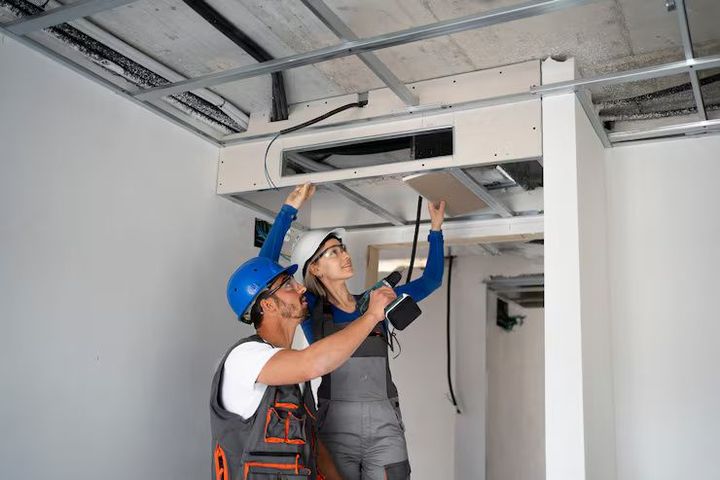
Explore the Basics of HVAC Maintenance Before Peak Summer
HVAC maintenance refers to the routine inspection, cleaning, and optimization of heating, ventilation, and air conditioning systems. Before peak summer, maintenance becomes especially relevant because cooling systems operate for longer hours and under higher thermal stress.
An HVAC system typically includes components such as compressors, condensers, evaporator coils, ductwork, thermostats, and air filters. These systems regulate indoor temperature, humidity control, and indoor air quality. Preventive HVAC maintenance exists to reduce system strain, improve operational efficiency, and extend equipment lifespan.
During summer months, especially in warm regions such as parts of India, the Middle East, Southern Europe, and the United States, air conditioning usage increases significantly. Without seasonal inspection, systems may experience reduced airflow, refrigerant imbalance, or electrical faults.
The goal of pre-summer HVAC system inspection is not performance enhancement beyond design limits, but ensuring the equipment operates safely, efficiently, and in compliance with energy standards.
Why HVAC Maintenance Matters Today
Rising temperatures and increasing urbanization have amplified dependence on air conditioning systems. According to international energy agencies, cooling demand is one of the fastest-growing electricity consumption categories globally.
Key reasons HVAC maintenance matters today include:
-
Higher electricity consumption during summer
-
Increased strain on compressors and condensers
-
Greater indoor air circulation requirements
-
Rising awareness of energy efficiency ratings such as SEER2
-
Environmental regulations affecting refrigerant usage
Poorly maintained systems may result in:
-
Reduced energy efficiency
-
Higher electricity bills
-
Uneven cooling across rooms
-
Poor indoor air quality
-
Unexpected breakdowns during peak heat
Below is a simplified comparison showing the potential impact of maintenance on energy performance:
| Condition of HVAC System | Estimated Energy Efficiency | Airflow Quality | Risk of Breakdown |
|---|---|---|---|
| Regularly Maintained | High (Optimal SEER2 range) | Stable | Lower |
| Irregular Maintenance | Moderate | Reduced | Medium |
| No Maintenance | Low | Poor | Higher |
Preventive HVAC maintenance supports energy-efficient air conditioning, which is increasingly relevant as households and commercial buildings focus on reducing carbon emissions.
For property owners, facility managers, and homeowners, understanding seasonal AC tune-up procedures contributes to operational reliability.
Recent Trends and Updates in HVAC (2025 Overview)
Over the past year, several updates have influenced HVAC maintenance practices.
Refrigerant Transition (2025 Phase Updates)
As of January 2025, many countries have accelerated the transition toward low-GWP (Global Warming Potential) refrigerants. In the United States and parts of Europe, regulations under environmental frameworks are reducing reliance on high-GWP refrigerants like R-410A and encouraging alternatives such as R-32 and R-454B.
This change affects maintenance because:
-
Refrigerant compatibility checks are required
-
Leak detection standards are stricter
-
Technicians must follow updated handling procedures
SEER2 Efficiency Standards
Since 2023–2024, SEER2 (Seasonal Energy Efficiency Ratio 2) standards have been implemented in several markets. These updated testing methods reflect real-world performance more accurately than older SEER ratings.
Before peak summer 2026, many property owners are reviewing whether their systems align with current energy efficiency benchmarks.
Smart HVAC and IoT Monitoring Growth
In 2025, adoption of smart thermostat systems and IoT-based HVAC monitoring tools increased. These tools provide:
-
Real-time energy usage tracking
-
Predictive maintenance alerts
-
Remote temperature control
-
Air quality monitoring integration
Indoor Air Quality Awareness
Post-pandemic building management strategies continue to emphasize air filtration and ventilation improvements. HEPA-compatible systems and advanced filtration upgrades are more common in both residential and commercial spaces.
These developments highlight that HVAC maintenance now includes not only mechanical inspection but also digital diagnostics and environmental compliance.
Laws and Policies Affecting HVAC Systems
HVAC systems are influenced by energy, environmental, and building regulations that vary by country.
Energy Efficiency Regulations
Many countries enforce minimum energy performance standards (MEPS). Systems must meet specific SEER2 or EER ratings to comply with national energy conservation guidelines.
Environmental Protection Rules
Refrigerant handling is regulated under environmental protection frameworks. Examples include:
-
Kigali Amendment to the Montreal Protocol (global HFC reduction)
-
U.S. EPA refrigerant management requirements
-
European F-Gas Regulation
These rules affect:
-
Refrigerant leak reporting
-
Recovery and recycling procedures
-
Technician certification requirements
Building Codes and Safety Standards
Local building codes may require:
-
Proper duct insulation
-
Approved electrical wiring standards
-
Ventilation compliance for commercial buildings
Failure to follow regulatory requirements may lead to penalties or non-compliance issues during inspections.
Understanding these policies ensures HVAC systems operate within legal and environmental standards while maintaining efficiency.
Practical HVAC Maintenance Checklist Before Summer
A preventive maintenance checklist supports systematic inspection.
Basic HVAC Inspection Steps
-
Replace or clean air filters
-
Inspect evaporator and condenser coils
-
Check refrigerant pressure levels
-
Inspect ductwork for leaks
-
Test thermostat calibration
-
Verify electrical connections
-
Clear debris from outdoor condenser unit
-
Inspect drainage lines for blockage
Below is a simplified maintenance frequency table:
| Maintenance Task | Recommended Frequency |
|---|---|
| Air Filter Replacement | Every 1–3 months |
| Thermostat Calibration Check | Annually |
| Coil Cleaning | Annually |
| Refrigerant Level Inspection | Annually |
| Duct Inspection | Every 2–3 years |
Regular evaluation supports HVAC energy optimization and reduces unexpected downtime during heatwaves.
Tools and Digital Resources for HVAC Monitoring
Technology has made HVAC system monitoring more accessible.
Smart Thermostat Applications
-
Google Nest
-
Ecobee
-
Honeywell Home
These apps allow:
-
Temperature scheduling
-
Energy consumption tracking
-
Remote diagnostics
Energy Efficiency Calculators
-
Online SEER2 comparison tools
-
HVAC load calculation calculators
-
Home energy audit platforms
Government and Industry Resources
-
ENERGY STAR program website
-
Local energy efficiency portals
-
Environmental compliance guidance documents
Indoor Air Quality Monitoring Devices
-
Smart air quality monitors
-
Humidity sensors
-
Carbon dioxide detection systems
These resources help users track performance trends without making exaggerated claims about savings or system upgrades.
Frequently Asked Questions
How often should HVAC maintenance be performed before summer?
A full inspection is typically recommended annually, ideally during spring. Air filters may require replacement every one to three months depending on usage and air quality conditions.
Does HVAC maintenance improve energy efficiency?
Routine maintenance can help maintain the system’s designed efficiency levels. Dirty coils or clogged filters may reduce airflow and increase electricity consumption.
What is SEER2 and why is it important?
SEER2 is an updated efficiency rating that reflects real-world performance under standardized testing conditions. Higher SEER2 ratings indicate more energy-efficient cooling systems.
Are refrigerant regulations changing in 2025?
Yes. Many countries are continuing phased reductions of high-GWP refrigerants under global environmental agreements. Compliance may require updated refrigerant management practices.
Can smart thermostats help monitor HVAC performance?
Smart thermostats provide usage insights, temperature control, and system alerts. They support data-driven monitoring but do not replace physical inspection of HVAC components.
Conclusion
Exploring the basics of HVAC maintenance before peak summer helps ensure that cooling systems operate efficiently, safely, and within regulatory standards. As temperatures rise and energy demand increases, preventive HVAC maintenance becomes a practical approach to reducing operational strain.
Recent updates in refrigerant regulations, SEER2 efficiency standards, and smart monitoring technologies highlight the evolving nature of HVAC management. Understanding these developments allows homeowners, facility managers, and property stakeholders to make informed decisions based on energy efficiency and compliance requirements.