Fashion Color Psychology: A Guide to Meaning, Style Insights, and Fashion Basics
Fashion color psychology refers to the study of how colors in clothing influence emotions, perceptions, and social communication. Colors are not only visual elements of style but also symbolic cues that can convey personality, mood, and cultural meaning.
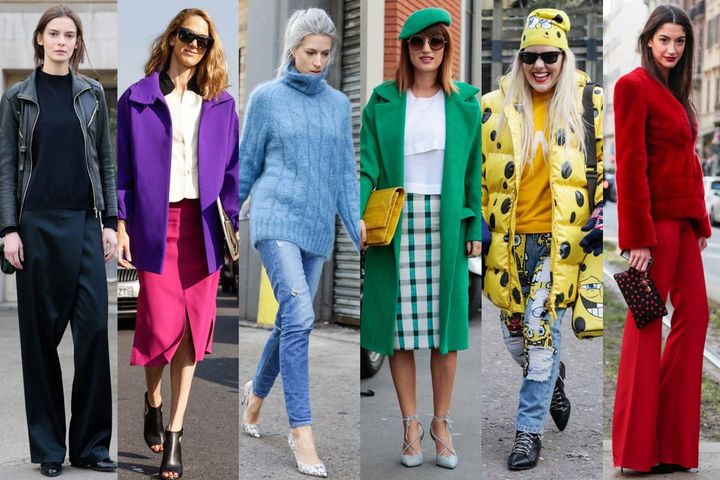
The concept exists because humans naturally associate colors with feelings and experiences. For example, darker shades often communicate authority or seriousness, while brighter tones may signal energy or creativity. In fashion, these associations influence how outfits are perceived in everyday settings such as workplaces, social gatherings, and public events.
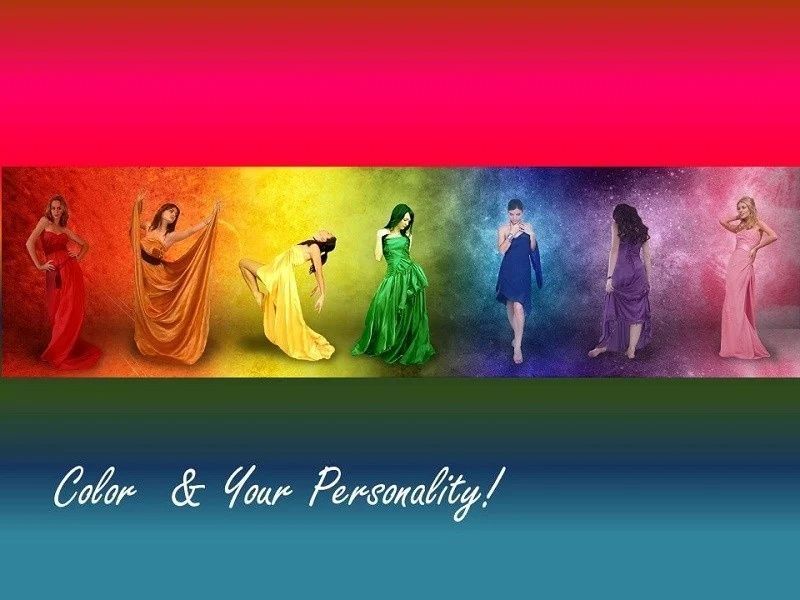
Throughout history, clothing color choices have reflected cultural values, social identity, and aesthetic preferences. In earlier periods, certain pigments were rare or difficult to produce, making particular colors symbols of status. Over time, advancements in textile production and digital fashion media expanded color availability, allowing individuals to experiment with a wider range of shades.
Today, fashion color psychology connects design, cultural studies, and behavioral research. Designers, stylists, and everyday wearers often consider color meaning when selecting garments. Understanding these associations helps people make more intentional style decisions and interpret visual messages in fashion.
Why Fashion Color Psychology Matters
Color plays a practical role in how clothing communicates identity and mood. Even subtle variations in shade can influence how an outfit is interpreted by others.
For many people, color choices in fashion help express personality traits, emotional states, or social context. For instance:
-
Neutral tones may communicate professionalism or simplicity
-
Bright colors may suggest creativity or enthusiasm
-
Soft pastels can create a calm or gentle aesthetic
Fashion color psychology also affects how individuals coordinate wardrobes. Understanding color relationships can make it easier to combine garments, accessories, and patterns into balanced outfits.
Another reason the topic matters today is the growing influence of digital media and visual platforms. Social networks, online fashion publications, and design tools highlight color palettes and seasonal trends. As a result, many people are more aware of how color choices shape visual presentation.
The topic also addresses practical challenges such as:
-
Choosing colors that complement skin tones
-
Building a versatile wardrobe with coordinated shades
-
Understanding how color affects mood and visual harmony
By learning the basics of color psychology, individuals gain a clearer framework for making everyday style decisions.
Recent Developments in Fashion Color Trends
In recent fashion cycles, color trends have increasingly reflected global cultural influences and digital design innovation. Several developments have shaped how colors appear in clothing collections and personal wardrobes.
One notable trend is the emphasis on digital-inspired palettes. As technology and virtual environments influence design, many fashion collections feature vivid gradients, metallic tones, and bold saturated hues.
Another development involves nature-inspired color palettes. Fashion designers and stylists frequently draw inspiration from natural landscapes, including earthy browns, forest greens, ocean blues, and mineral tones. These palettes reflect a broader cultural interest in environmental awareness and natural aesthetics.
Color forecasting organizations and design institutions regularly analyze emerging shades and palette combinations. Fashion publications and design resources often highlight seasonal color directions that influence clothing collections, accessories, and textile design.
Recent updates in digital design tools have also improved how designers experiment with color combinations. Virtual garment visualization and color simulation software allow designers to test palettes before garments are produced.
These developments demonstrate how fashion color psychology evolves alongside technology, cultural influences, and creative experimentation.
Guidelines and Policy Considerations in Fashion Design
Color use in fashion is also shaped by guidelines and policies related to manufacturing, labeling, and textile safety. While color itself is primarily a creative choice, the dyes and processes used to create colors must follow regulatory standards.
Textile industries typically follow regulations that address:
-
Chemical safety in dyes and pigments
-
Environmental impact of textile production
-
Labeling requirements for clothing materials
-
Consumer protection standards
Many governments and international organizations encourage sustainable textile practices. This includes monitoring chemical use in dyes and promoting safer manufacturing methods.
Environmental guidelines often focus on reducing water pollution from dyeing processes and improving waste management in textile production. Sustainable color technology, such as low-impact dyes and digital printing techniques, has gained attention within the fashion industry.
Although these regulations operate behind the scenes, they influence how colors are produced, marketed, and used in clothing. As sustainability becomes a larger focus in fashion, color production methods continue to evolve.
Helpful Tools and Resources for Understanding Fashion Colors
Several digital tools and educational resources help individuals explore color psychology and fashion styling. These resources make it easier to analyze color palettes, coordinate outfits, and understand visual harmony.
Common tools and platforms include:
-
Color palette generators that suggest matching shades
-
Digital wardrobe planners that help organize clothing combinations
-
Fashion design software used to experiment with color arrangements
-
Online color wheel tools that explain complementary and contrasting shades
-
Style inspiration platforms that showcase curated color palettes
Some popular resource categories include:
| Tool Type | Purpose | Example Use |
|---|---|---|
| Color Wheel Tools | Understanding complementary colors | Outfit coordination |
| Palette Generators | Creating balanced color sets | Fashion design concepts |
| Wardrobe Planning Apps | Organizing clothing combinations | Capsule wardrobe planning |
| Digital Styling Platforms | Visualizing outfits and palettes | Style experimentation |
Color relationship charts are also commonly used to illustrate how shades interact.
| Color Relationship | Description | Fashion Example |
|---|---|---|
| Complementary Colors | Colors opposite on the color wheel | Blue with orange accents |
| Analogous Colors | Colors next to each other | Green with teal and blue |
| Monochromatic | Different shades of one color | Light gray with charcoal |
| Triadic Palette | Three evenly spaced colors | Red, yellow, and blue combinations |
These tools help both beginners and fashion enthusiasts better understand color balance and visual composition.
Frequently Asked Questions About Fashion Color Psychology
What is the main idea behind fashion color psychology?
Fashion color psychology explores how clothing colors influence emotions, perceptions, and visual communication. Different colors may convey mood, personality, or social context.
Do clothing colors affect how people perceive someone?
Yes. Color associations can shape first impressions. For example, darker shades may appear formal or authoritative, while brighter colors can suggest energy or creativity.
How can someone choose colors that suit their style?
Many people start by identifying colors that complement their skin tone and personal preferences. Color wheel tools and wardrobe planning methods can also help create balanced combinations.
Are color meanings the same in every culture?
No. Color symbolism varies across cultures. A color associated with celebration in one region may represent a different meaning elsewhere.
Do fashion trends influence color choices?
Fashion trends often highlight certain palettes during specific design cycles. However, personal style and comfort remain important factors in selecting clothing colors.
Conclusion
Fashion color psychology provides a framework for understanding how colors influence style, perception, and communication. Clothing colors can express personality, create mood, and shape visual identity in everyday life.
By learning the meanings associated with different shades and understanding how colors interact, individuals can make more informed fashion choices. Tools such as color wheels, palette generators, and digital styling platforms also support experimentation and creativity.