
Fire Detection Sensors: Complete Guide & Key Insights
Fire detection sensors are electronic devices designed to identify early signs of fire by detecting smoke, heat, gas, flames, or rapid changes in environmental conditions. Their main purpose is to trigger alerts that help people act before the situation becomes dangerous. These systems emerged to address the need for fast, reliable, and automated detection that human observation alone cannot provide.
Modern fire detection sensors are found in homes, offices, industrial facilities, data centers, hospitals, schools, and other buildings where early fire recognition is essential. With advancements in fire detection technology, smart building safety, and IoT-based monitoring, these sensors are now more efficient, accurate, and interconnected than ever.
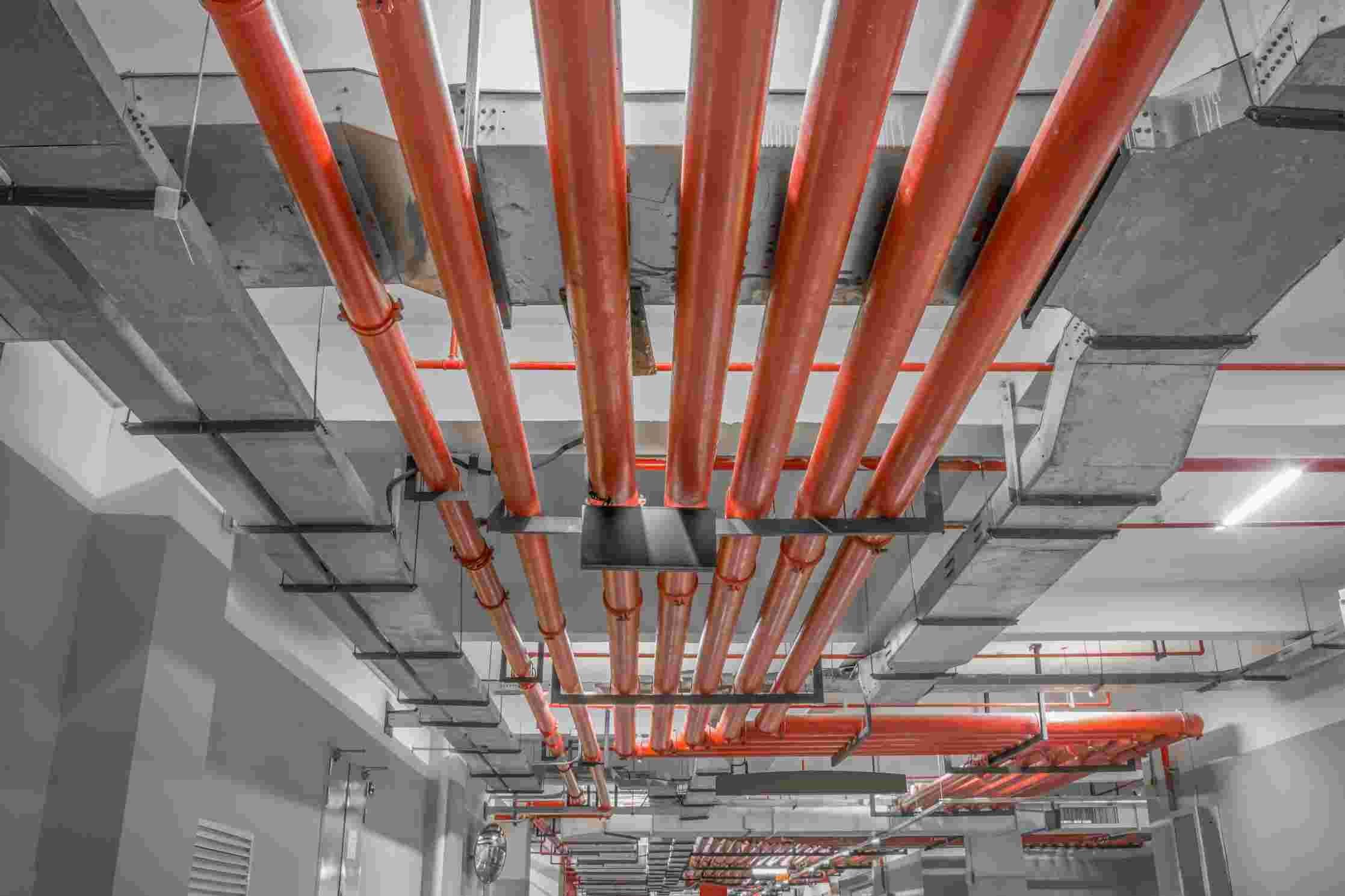
Fire detection equipment exists because fires often develop silently. Many start in hidden areas such as electrical panels, kitchens, storage rooms, or ceilings. Early detection helps prevent injuries and property damage and supports safer evacuation. The integration of sensors with networks, apps, and building automation systems has made fire monitoring an essential part of today’s safety infrastructure.
Importance: Why Fire Detection Sensors Matter
Fire detection sensors play a critical role in protecting human life, infrastructure, and essential services. Their importance has grown significantly due to rapid urban development, increasing use of electronic devices, and higher energy consumption worldwide.
They matter today because:
- Urban structures use complex wiring and high-power equipment, increasing the risk of electrical fires.
- Industries and warehouses store flammable materials that require continuous monitoring.
- Homes rely on appliances, charging devices, and electronics that can overheat.
- Public buildings must follow strict fire safety compliance standards.
- Growing adoption of smart homes and IoT safety solutions has made automated detection almost unavoidable.
Fire detection sensors help reduce the severity of incidents by:
- Detecting early smoke signatures
- Identifying temperature rises
- Recognizing hazardous gases
- Distinguishing flame patterns
- Enabling real-time alerts through mobile apps or building systems
People affected include homeowners, tenants, building managers, factory operators, students, hospital staff, and anyone present in monitored spaces. These sensors are especially important in environments like chemical labs, server rooms, fuel storage areas, textile units, and hotels where rapid response is essential.
Recent Updates and Trends
Fire detection technology continues to evolve with improvements in safety and innovation.
Key trends (2024–2025):
-
AI-based smoke recognition
Improves accuracy and reduces false alarms -
Multi-sensor detectors
Combine heat, smoke, and gas detection for better reliability -
IoT-enabled fire monitoring
Allows cloud-based tracking and real-time alerts -
Eco-friendly device design
Focus on low-energy consumption and recyclable materials -
Wireless system advancements
Better connectivity and longer battery life -
Smart building integration
Unified dashboards for managing safety systems
Governments have also updated safety policies to include advanced detection systems, reflecting the growing importance of fire prevention technologies.
Laws, Policies, and Compliance Standards
Fire detection sensors operate under strict safety regulations designed to protect people and property.
Common regulatory frameworks include:
- National Building Codes defining installation requirements
- Fire and Life Safety Codes mandating certified systems
- Electrical Safety Regulations for high-risk environments
- Environmental Health and Safety (EHS) guidelines
International standards include:
- NFPA 72 (National Fire Alarm and Signaling Code)
- ISO 7240 (Fire detection and alarm systems)
- EN 54 (European fire detection standards)
Common installation areas:
- Stairways and corridors
- Electrical rooms
- Kitchens and food preparation areas
- Mechanical spaces
- Storage areas with flammable materials
These regulations ensure proper installation, operation, and maintenance of fire detection systems.
Tools, Resources, and Helpful Platforms
Various tools and resources support fire safety planning and monitoring.
Online tools and checklists:
- Fire risk assessment tools
- Fire load calculators
- Smart home safety apps
- Building compliance checklists
Standards and safety information:
- NFPA and ISO guideline platforms
- Government safety portals
- Local fire department resources
Monitoring systems:
- IoT dashboards for real-time tracking
- Cloud-based reporting tools
- Integrated smart security platforms
Educational resources:
- Public safety tutorials
- Workplace safety training courses
- Research on fire detection technologies
Table: Comparison of Common Fire Detection Sensors
| Type of Sensor | What It Detects | Best Use Cases | Key Advantage |
|---|---|---|---|
| Ionization Smoke Sensor | Fast-burning fires | Hallways, general areas | Quick response to flame fires |
| Photoelectric Sensor | Smoldering fires | Bedrooms, living areas | Fewer false alarms |
| Heat Sensor | High temperature | Kitchens, mechanical rooms | Works in dusty or steamy areas |
| Gas Sensor | CO or combustible gases | Garages, industrial zones | Detects invisible hazards |
| Flame Sensor | Infrared/UV signals | Industrial plants, fuel areas | Instant flame detection |
Frequently Asked Questions
What is the main purpose of a fire detection sensor?
It detects early signs of fire such as smoke, heat, gas, or flames and alerts occupants for quick response.
How often should sensors be tested?
Monthly testing is recommended, with annual inspections required in commercial settings.
Are all fire sensors the same?
No. Different sensors detect different fire characteristics and are selected based on environment and risk level.
Where should sensors be installed?
Typically on ceilings or high walls in key areas like hallways, kitchens, storage rooms, and electrical spaces.
Can fire sensors connect to smartphones?
Yes. Many modern systems offer mobile integration for alerts and monitoring.
Conclusion
Fire detection sensors are essential for modern safety systems, providing early warnings that help protect lives and property.
With advancements in AI, IoT, and multi-sensor technology, these systems are becoming more reliable and adaptable. As regulations evolve and safety expectations rise, fire detection sensors will continue to be a critical part of building safety and emergency response planning.