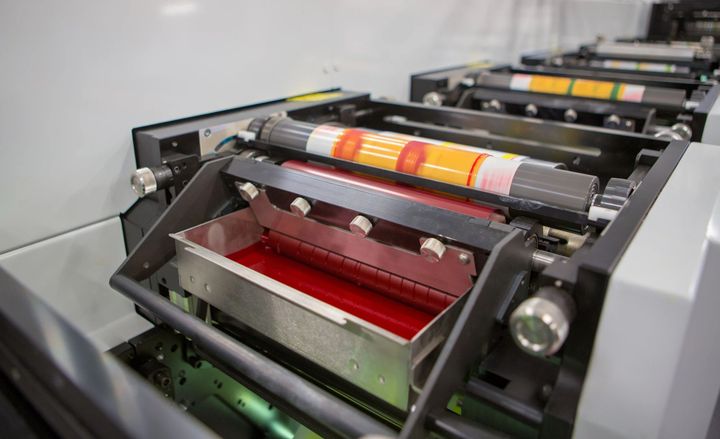
Flexographic Printing Machines Overview: Discover Facts, Tips and Helpful Information
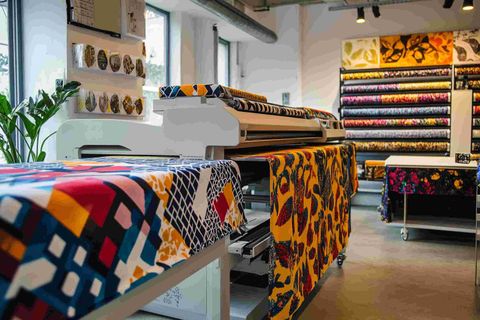
Flexographic printing machines are widely used in modern industrial printing for packaging, labels, and flexible materials. This printing method is valued for its ability to print on a wide range of surfaces such as plastic films, paper, cardboard, and foil. The technology is commonly associated with large-scale packaging production where speed, efficiency, and consistent print quality are important.
This overview explains how flexographic printing machines work, why they are important in the packaging ecosystem, how the technology is evolving, and which tools and resources help professionals understand or analyze this printing method. The information below is intended as a neutral educational guide for readers exploring industrial printing technologies.
Understanding Flexographic Printing Machines
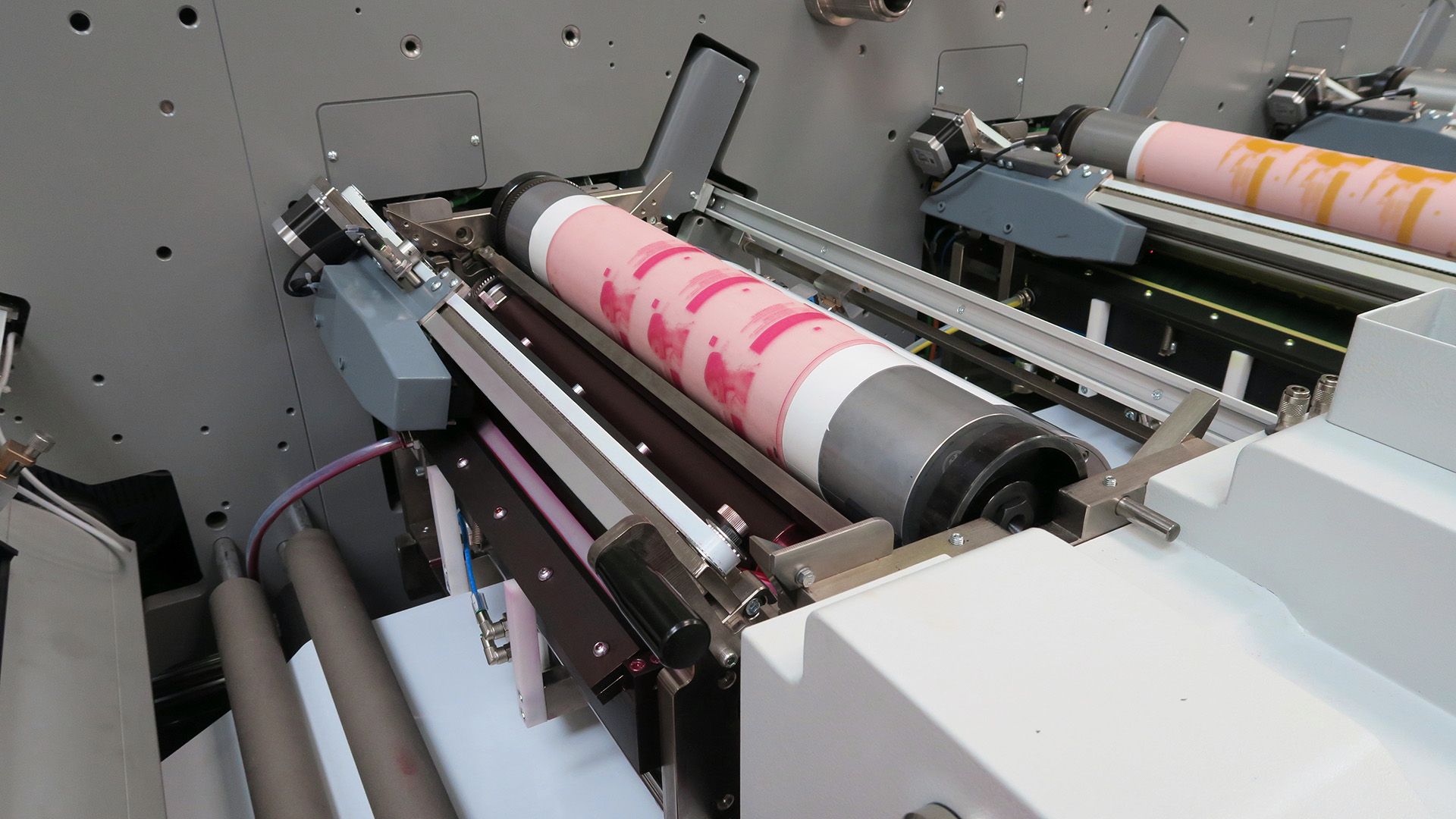
Flexographic printing is a rotary printing method that uses flexible relief plates mounted on rotating cylinders to transfer ink onto various materials. It is widely used for high-speed, continuous printing in packaging and labeling industries.
Key Features of Flexographic Printing
- High-speed continuous printing
- Compatibility with multiple substrates
- Use of flexible photopolymer plates
- Controlled ink transfer via anilox rollers
- Multi-color printing capability
How the Process Works
Flexographic printing follows a structured workflow:
| Stage | Process Description |
|---|---|
| Ink Metering | Ink is regulated using anilox rollers |
| Plate Transfer | Ink moves to the flexible printing plate |
| Impression Stage | Image is transferred to the substrate |
| Drying | Ink dries using air or heat |
| Rewinding | Printed material is collected |
This rotary process allows efficient production across long print runs.
Why Flexographic Printing Machines Matter
Flexographic printing plays a crucial role in modern packaging and labeling systems. As products move through supply chains, packaging must include branding, product details, and regulatory information.
Industries that rely on flexographic printing:
- Food and beverage packaging
- Pharmaceutical labeling
- Retail packaging
- Flexible packaging materials
- Corrugated box printing
- Labels and stickers
Key advantages:
Wide Material Compatibility
Flexographic printing works on:
- Paper
- Plastic films
- Laminates
- Cardboard
High Production Speed
It is suitable for large-scale production, making it efficient for high-volume industries.
Comparison with Other Printing Methods
| Method | Use Case | Speed | Material Range |
|---|---|---|---|
| Flexographic | Packaging | Very high | Very wide |
| Offset | Books, magazines | High | Mostly paper |
| Gravure | Premium packaging | Very high | Film and paper |
| Digital | Short runs | Medium | Limited |
These advantages make flexographic printing essential in global manufacturing and retail sectors.
Recent Developments and Trends
Flexographic printing technology continues to evolve with automation and digital integration.
Key trends include:
Automated Press Control
Modern machines use sensors to maintain:
- Ink density
- Color consistency
- Alignment accuracy
Eco-Friendly Ink Systems
There is increasing use of:
- Water-based inks
- Low-solvent formulations
These reduce environmental impact.
Digital Prepress Advancements
High-precision plate imaging improves:
- Print quality
- Setup efficiency
Smart Monitoring Systems
Technologies now include:
- AI-assisted monitoring
- Predictive maintenance
- Real-time performance tracking
Trend Overview
| Trend | Impact |
|---|---|
| Automation | Improved consistency |
| Sustainable inks | Reduced emissions |
| Digital workflows | Faster setup |
| Smart sensors | Better maintenance |
These developments enhance efficiency and sustainability.
Regulations and Industry Standards
Flexographic printing operates within safety and environmental regulations.
Key regulatory areas:
- Ink and solvent safety
- Emission control standards
- Packaging labeling requirements
- Industrial machinery safety
- Waste management practices
Importance of compliance:
- Ensures worker safety
- Maintains environmental standards
- Guarantees accurate product labeling
These regulations guide responsible operation in industrial settings.
Tools and Resources for Flexographic Printing
Professionals use various tools to maintain print quality and machine performance.
Common tools include:
| Tool | Purpose |
|---|---|
| Ink Viscosity Meter | Measures ink flow |
| Densitometer | Checks color accuracy |
| Plate Imaging Software | Prepares printing plates |
| Press Monitoring Software | Tracks machine performance |
| Anilox Calculator | Estimates ink transfer |
Additional resources:
- Technical publications
- Printing industry forums
- Workflow simulation tools
- Educational platforms
These tools support consistent production and quality control.
Frequently Asked Questions
What is a flexographic printing machine used for?
It is used to print packaging, labels, flexible films, paper products, and corrugated materials.
How is it different from digital printing?
Flexographic printing uses physical plates and rotary systems, while digital printing uses direct image transfer without plates.
What types of inks are used?
Common inks include water-based, solvent-based, and UV-curable inks.
Why are anilox rollers important?
They control ink transfer by regulating the amount of ink delivered to the printing plate.
Which industries use flexographic printing?
Industries such as food packaging, pharmaceuticals, retail, and logistics rely heavily on this technology.
Conclusion
Flexographic printing machines are a vital part of modern industrial printing. Their ability to print quickly on a wide range of materials makes them ideal for packaging and labeling applications.
Advancements in automation, digital workflows, and environmentally friendly inks continue to improve their performance and sustainability. As global demand for packaged products grows, flexographic printing remains a key technology in efficient, high-volume production.