Guide to Voice-Controlled Devices: Research, Analysis, and Actionable Solutions for Smarter Living
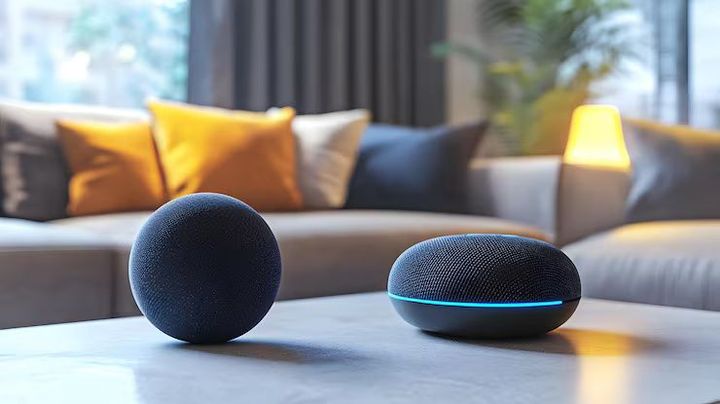
Voice-controlled devices are part of modern smart home technology, allowing people to interact with digital systems using spoken commands. Instead of pressing buttons or navigating screens, users can simply speak to control connected devices such as lighting systems, thermostats, entertainment systems, or digital assistants.
These devices rely on several technologies working together:
-
Voice recognition technology
-
Artificial intelligence (AI) assistants
-
Natural language processing (NLP)
-
Internet of Things (IoT) connectivity
When a user speaks a command, the device captures the audio, processes it through voice recognition software, and interprets the request using natural language processing. The system then performs the action through connected devices or cloud services.
Voice control first gained attention through early smartphone assistants, but it has expanded rapidly into homes, workplaces, and vehicles. Today, voice interaction is integrated into:
-
Smart speakers
-
Smart TVs
-
Home automation systems
-
Mobile devices
-
Vehicle infotainment systems
The purpose of voice-controlled technology is to simplify digital interaction. By reducing reliance on screens and physical controls, these systems help users manage tasks quickly and efficiently.
Why Voice-Controlled Technology Matters Today
Voice technology has become an important part of everyday digital interaction. Several factors have contributed to its increasing relevance.
One key reason is the growth of smart home ecosystems. Modern households often contain multiple connected devices that can communicate through centralized voice assistants. Voice commands allow users to manage these systems without navigating separate applications.
Another important factor is accessibility. Voice interfaces can assist individuals who may find touch screens or physical controls difficult to use. For example:
-
People with mobility limitations
-
Older adults using simplified digital interfaces
-
Individuals with visual impairments
Voice interaction can also improve efficiency in everyday routines. Many users rely on voice commands for tasks such as:
-
Setting reminders
-
Checking weather updates
-
Managing daily schedules
-
Controlling connected home devices
The following table highlights common applications of voice-controlled technology.
| Application Area | Typical Use Cases |
|---|---|
| Smart Home Control | Lighting, climate control, security monitoring |
| Digital Assistance | Calendar management, reminders, information queries |
| Entertainment Systems | Music playback, TV navigation, media control |
| Mobile Productivity | Hands-free communication, task management |
| Vehicle Technology | Navigation guidance, messaging, audio control |
Voice technology also supports the growing demand for hands-free digital interaction. In environments such as kitchens, vehicles, or workplaces, spoken commands can be safer and more convenient than manual controls.
Recent Trends and Developments in Voice Technology
Voice technology has evolved significantly over the past year, particularly with advances in artificial intelligence and machine learning.
In 2024, several major technology companies introduced updates that improve how voice assistants interpret natural language. These updates allow systems to understand longer and more complex requests rather than short command phrases.
Another notable development is the integration of generative AI models into voice assistants. This trend allows conversational systems to provide more detailed explanations and contextual responses. Instead of responding with basic commands, AI-driven assistants can participate in longer dialogues.
Several industry trends have also emerged:
-
Increased use of multimodal interfaces, combining voice with screen displays
-
Improved local processing, reducing dependence on cloud servers
-
Greater focus on privacy-first voice processing
-
Expansion of voice control in automotive technology
The following table summarizes key trends in the voice technology sector during the past year.
| Trend | Description | Impact |
|---|---|---|
| AI-Enhanced Voice Assistants | Integration of advanced AI language models | More natural conversations |
| Edge Voice Processing | Voice commands processed locally on devices | Faster response and improved privacy |
| Smart Home Integration | Broader compatibility between devices | Simplified home automation |
| Multilingual Voice Recognition | Better support for global languages | Increased accessibility worldwide |
Another development involves energy-efficient smart homes. Voice assistants increasingly integrate with energy monitoring systems to help users track electricity usage and manage connected appliances.
Industry analysts also report growing adoption in regions such as Asia-Pacific and Europe, where smart home adoption continues to expand alongside broadband connectivity.
Regulations, Policies, and Data Protection Considerations
Voice-controlled devices often process audio data, which means privacy regulations play an important role in how these technologies operate.
Several regulatory frameworks influence voice technology usage.
Data Protection Laws
Many countries apply data protection rules to voice-enabled systems, especially when audio recordings are stored or analyzed. Examples include:
-
General Data Protection Regulation (GDPR) in the European Union
-
Digital Personal Data Protection Act (India, 2023)
-
California Consumer Privacy Act (CCPA) in the United States
These laws typically require companies to:
-
Explain how voice data is collected
-
Provide transparency about data usage
-
Allow users to control stored information
Smart Device Security Guidelines
Governments and technology organizations have also introduced guidelines related to IoT security standards. These recommendations encourage device manufacturers to:
-
Implement encryption
-
Provide regular software updates
-
Protect user authentication systems
Accessibility Policies
In some regions, digital accessibility standards encourage the development of voice-based interfaces to support inclusive technology use.
The following table summarizes policy areas affecting voice-controlled technology.
| Policy Area | Key Focus |
|---|---|
| Data Privacy | Protection of voice recordings and personal data |
| Cybersecurity | Secure communication between smart devices |
| Accessibility Standards | Inclusive digital interfaces |
| Consumer Transparency | Clear explanation of data collection practices |
Understanding these policies helps users make informed decisions about how voice-enabled technologies operate within modern regulatory frameworks.
Useful Tools and Digital Resources Related to Voice Technology
Several digital tools and platforms support learning, development, and evaluation of voice-controlled systems.
These tools are often used for research, development, or educational exploration of voice interfaces.
Voice Recognition Development Platforms
-
Google Speech-to-Text APIs
-
Microsoft Azure Speech Services
-
IBM Watson Speech Recognition
These platforms provide speech recognition capabilities that allow developers to create voice-interactive applications.
Smart Home Automation Platforms
Common ecosystems used to coordinate voice-controlled devices include:
-
Apple Home ecosystem
-
Google Home ecosystem
-
Amazon Alexa ecosystem
These systems allow different devices to communicate within a shared automation network.
Voice Interface Design Tools
Design tools help researchers and developers test conversational interactions.
Examples include:
-
Voiceflow conversation design tools
-
Botmock conversational interface modeling
-
Dialogflow natural language development tools
Educational and Research Resources
Individuals interested in voice technology research can explore:
-
academic journals on human-computer interaction
-
technology research organizations publishing IoT insights
-
open-source speech datasets for language modeling
These resources help improve understanding of voice interaction design, speech recognition accuracy, and AI-driven conversational systems.
Frequently Asked Questions About Voice-Controlled Devices
What are voice-controlled devices?
Voice-controlled devices are electronic systems that respond to spoken commands. They use speech recognition and artificial intelligence to interpret language and perform tasks such as controlling smart home equipment or retrieving digital information.
How do voice assistants understand spoken commands?
Voice assistants convert speech into text using voice recognition technology. Natural language processing then analyzes the text to determine the user's intent before executing the appropriate command.
Are voice-controlled devices always listening?
Most devices remain in a passive listening mode to detect activation words. After the activation phrase is detected, the system processes the command. Many devices also provide settings that allow users to manage stored voice recordings.
Do voice-controlled devices work without internet access?
Some modern devices can process basic commands locally using edge computing. However, many advanced functions rely on cloud-based processing to interpret language and access online information.
What are common security considerations for voice devices?
Security considerations include data privacy, device authentication, encrypted communication, and regular software updates. Users often manage these settings through device configuration menus.
Conclusion
Voice-controlled devices represent a major step in the evolution of digital interaction. By combining artificial intelligence, natural language processing, and smart home connectivity, these systems enable people to interact with technology using simple spoken commands.
Their growing adoption reflects broader changes in how individuals engage with digital systems. Hands-free interfaces improve accessibility, simplify daily routines, and support the expanding ecosystem of connected devices.