In-Depth Insights into Beverage Conveyor Systems for Modern Manufacturing
Beverage conveyor systems are a key part of modern manufacturing, helping move products efficiently through different stages of production.
These systems are designed to transport bottles, cans, cartons, and other containers across processing, filling, and packaging areas. Over time, beverage conveyor system manufacturers have developed advanced designs to support growing production demands and changing industry standards.
In early manufacturing setups, manual handling was common, which often slowed production and increased the risk of errors. Today, automated beverage conveyor systems are widely used in factories to improve consistency and reduce manual effort. These systems are now found in various environments, including soft drink plants, juice processing facilities, dairy operations, and breweries.
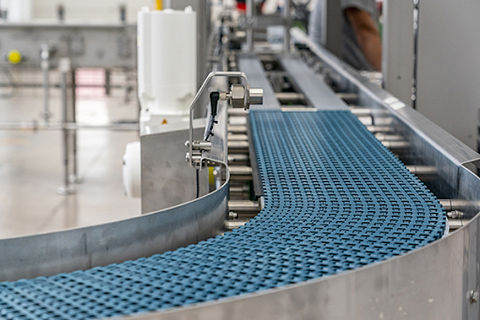
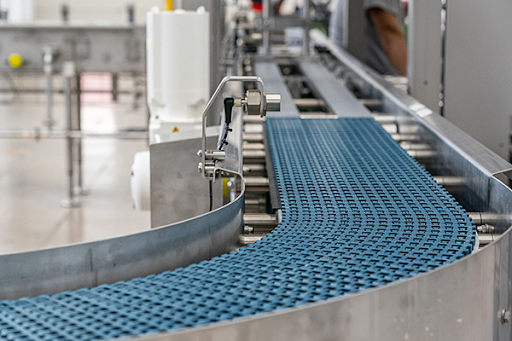
Beverage production conveyor systems typically include belts, rollers, chains, and modular components that move products in a controlled manner. Depending on the application, these systems can be customized for speed, layout, and hygiene requirements. Beverage packaging conveyor systems, for example, are often designed to handle delicate containers without damage while maintaining steady throughput.
Importance
The role of industrial beverage conveyors has grown significantly as production volumes increase and consumer demand evolves. These systems help maintain a steady flow of products, ensuring that each stage of production connects smoothly with the next.
One major benefit is efficiency. Bottle conveyor systems allow manufacturers to move large quantities of products quickly and consistently. This reduces downtime and helps maintain production schedules. Another important factor is safety, as automated systems limit the need for manual handling, lowering the risk of workplace injuries.
Beverage bottling conveyor systems also contribute to product quality. By ensuring consistent movement and positioning, they help prevent spills, contamination, or damage during processing. In industries where hygiene is critical, such as food and beverage conveyor systems, maintaining cleanliness is essential to meet safety standards.
These systems also support scalability. As production needs grow, beverage conveyor belt systems can be expanded or adjusted to accommodate higher volumes or new product types. This flexibility makes them a practical choice for manufacturers aiming to adapt to changing market demands.
Recent Updates
In recent years, beverage processing conveyor equipment has seen several notable advancements. Automation continues to play a major role, with many facilities integrating smart controls and sensors into their systems. These technologies allow real-time monitoring of conveyor performance, helping detect issues early and reduce downtime.
Another trend is the focus on energy efficiency. New designs aim to reduce power consumption while maintaining performance. This is particularly relevant for large-scale beverage bottling line conveyor systems, where continuous operation can lead to high energy use.
Sustainability has also influenced design improvements. Manufacturers are exploring materials that are easier to clean and maintain, as well as components that support recycling and waste reduction. For example, hygienic conveyor systems for beverage industry applications are increasingly built with corrosion-resistant materials and smooth surfaces to minimize contamination risks.
In breweries, beverage conveyor systems for breweries are being adapted to handle diverse packaging formats, including glass bottles, aluminum cans, and kegs. This flexibility reflects the growing variety of products in the beverage market.
Laws or Policies
Beverage conveyor systems operate within a framework of safety and hygiene regulations that vary by country. In India, food and beverage conveyor systems must comply with guidelines set by the Food Safety and Standards Authority of India (FSSAI). These rules focus on maintaining cleanliness, preventing contamination, and ensuring safe handling of consumable products.
Workplace safety is another important consideration. Regulations under the Factories Act require proper guarding of machinery, regular maintenance, and safe operating procedures. Industrial beverage conveyors must be designed to minimize hazards such as pinch points and moving parts that could cause injuries.
Environmental policies also influence system design. Manufacturers are encouraged to adopt practices that reduce energy use and manage waste effectively. Beverage conveyor system manufacturers often incorporate features that align with these requirements, such as efficient motors and recyclable materials.
In addition, international standards such as ISO guidelines are often followed to ensure consistency and quality. These standards cover aspects like equipment design, hygiene practices, and operational safety, helping maintain uniformity across global operations.
Tools and Resources
Several tools and resources help manufacturers design, manage, and maintain beverage conveyor systems. These resources support planning, monitoring, and optimization of operations.
Some commonly used tools include:
- Simulation software, which allows engineers to model beverage production conveyor systems and test different layouts before implementation.
- Monitoring systems, which track performance metrics such as speed, load, and downtime in automated beverage conveyor systems.
- Maintenance planning tools, which help schedule inspections and repairs to prevent unexpected breakdowns.
- Industry standards and guidelines, such as ISO and FSSAI documentation, which provide frameworks for compliance and safety.
The following table outlines common components used in beverage conveyor belt systems and their functions:
| Component Type | Function Description |
|---|---|
| Belt conveyors | Move products continuously along a flat surface |
| Roller conveyors | Transport items using rotating rollers |
| Chain conveyors | Handle heavy loads and high-speed operations |
| Modular conveyors | Provide flexible layouts and easy customization |
| Sensors and controllers | Monitor movement and regulate system performance |
These tools and components work together to ensure smooth operation across different stages of production.
FAQs
What are beverage conveyor systems used for?
Beverage conveyor systems are used to transport bottles, cans, and other containers through different stages of production, including processing, filling, and packaging.
How do beverage bottling conveyor systems improve efficiency?
Beverage bottling conveyor systems automate the movement of products, reducing manual handling and ensuring consistent flow, which helps maintain production speed and accuracy.
What types of industrial beverage conveyors are commonly used?
Common types include belt conveyors, roller conveyors, chain conveyors, and modular systems. Each type is designed for specific tasks based on load, speed, and layout requirements.
Why are hygienic conveyor systems important in the beverage industry?
Hygienic conveyor systems for beverage industry applications help prevent contamination by using materials and designs that are easy to clean and maintain, ensuring product safety.
Are beverage conveyor systems suitable for breweries?
Yes, beverage conveyor systems for breweries are designed to handle various packaging formats such as bottles, cans, and kegs, supporting efficient movement throughout the production process.
Conclusion
Beverage conveyor systems play a central role in modern manufacturing by enabling efficient and consistent product movement. They support safety, hygiene, and scalability across different production environments. With ongoing advancements in automation and sustainability, these systems continue to evolve to meet industry needs. Understanding their function and importance helps provide insight into how everyday beverages are produced and delivered.