Importance of Industrial Fasteners in Modern Engineering
Industrial fasteners are fundamental components in infrastructure and manufacturing systems. Although small in size, they directly influence safety, structural integrity, and long-term performance across industries.
Why They Matter Today
Several modern trends have increased their importance:
-
Growing demand for modular and maintainable systems
-
Use of lightweight and advanced materials
-
Higher safety and compliance standards
-
Expansion of automation and precision engineering
Key Industries Using Fasteners
-
Construction and infrastructure
-
Automotive and transportation
-
Energy and power generation
-
Aerospace and heavy engineering
-
Electronics and industrial machinery
Problems Fasteners Solve
Industrial fasteners address critical engineering challenges:
-
Maintain alignment under mechanical stress
-
Allow repeated assembly and disassembly
-
Distribute loads across connected parts
-
Prevent failure due to vibration or fatigue
A failure in fastener selection or installation can compromise entire systems, making them a critical engineering element.
Types and Classification of Industrial Fasteners
Fasteners are categorized based on design and application:
| Category | Examples | Applications |
|---|
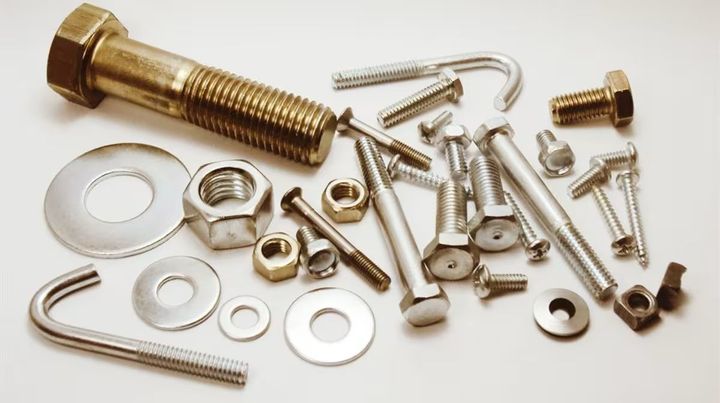
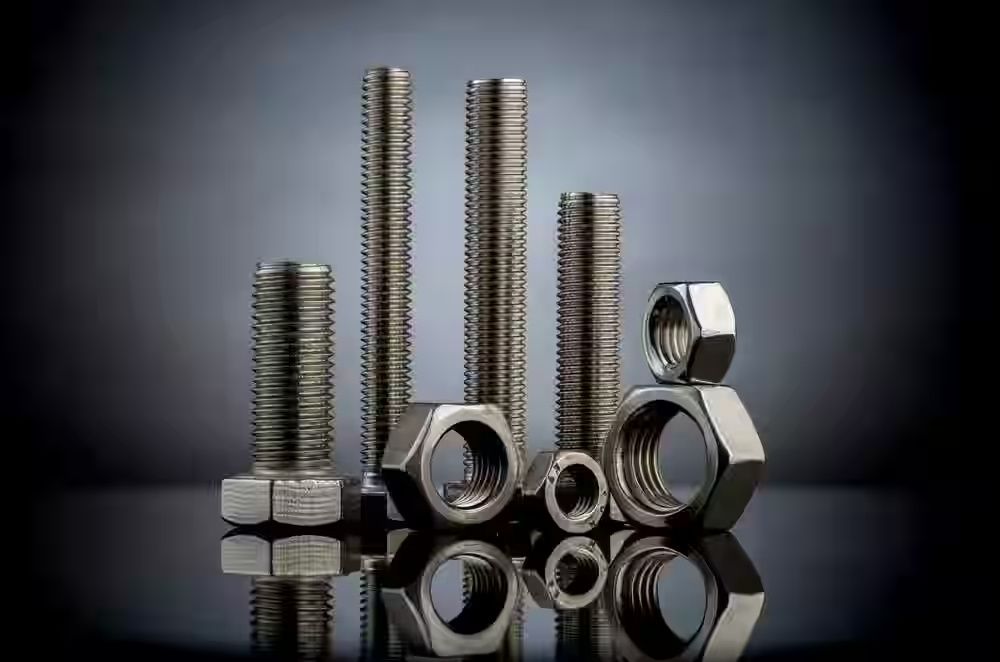
| Threaded Fasteners | Bolts, screws, studs | Machinery, engines, frames |
| Non-Threaded Fasteners | Rivets, pins | Permanent joints |
| Anchoring Fasteners | Anchors, inserts | Concrete and masonry |
| Specialty Fasteners | Washers, retaining rings | Load control and alignment |
Threaded Fasteners
Reusable and widely used, these create clamping force through threads.
Non-Threaded Fasteners
Used for permanent connections or high-vibration environments.
Anchoring Fasteners
Secure components into base materials like concrete or stone.
Specialty Fasteners
Help manage load distribution and prevent loosening.
Materials Used in Fasteners
Material choice determines strength, durability, and resistance to environmental conditions.
Common materials include:
-
Carbon steel – general-purpose applications
-
Alloy steel – high-strength requirements
-
Stainless steel – corrosion resistance
-
Aluminum – lightweight assemblies
-
Brass and copper alloys – electrical and specialized uses
Material selection depends on:
-
Load conditions
-
Environmental exposure
-
Temperature and chemical factors
Recent Developments and Industry Trends
Recent advancements focus on performance, durability, and sustainability.
Key Trends
-
High-strength, lightweight fasteners
-
Advanced corrosion-resistant coatings
-
Improved surface treatments for longer life
-
Enhanced vibration resistance
-
Increased traceability and quality control
Digital manufacturing has improved:
-
Precision threading
-
Tight tolerances
-
Simulation-based performance analysis
These innovations help predict fastener behavior under complex load conditions and improve overall reliability.
Laws and Regulatory Considerations
Industrial fasteners are governed by engineering standards and safety frameworks.
Regulatory Focus Areas
-
Mechanical strength and load ratings
-
Dimensional accuracy and tolerances
-
Material composition and testing
-
Safety performance under stress
Standards organizations define specifications to ensure:
-
Consistent performance
-
Interoperability across systems
-
Structural safety in large projects
Compliance supports risk reduction and long-term reliability.
Tools and Resources for Fastener Selection
Engineers and technicians use various tools to ensure proper fastener performance.
Useful Tools
-
Torque calculators
-
Thread pitch and size charts
-
Material comparison tables
-
Load and stress analysis tools
-
Technical standards documentation
Torque and Application Example
| Fastener Size | Typical Torque Range | Application Type |
|---|
| Small diameter | Low–Moderate | Electronics, light assemblies |
| Medium diameter | Moderate–High | Machinery, frames |
| Large diameter | High | Structural systems |
Proper torque ensures correct clamping force and prevents failure.
Frequently Asked Questions
What is the difference between a bolt and a screw?
A bolt is typically used with a nut to create clamping force, while a screw forms threads directly into the material.
Why is torque important?
Correct torque ensures proper clamping. Too little leads to loosening, while too much can cause failure.
How are fasteners tested?
They undergo tensile, shear, and fatigue testing to verify strength and durability.
What causes loosening?
Common causes include vibration, thermal expansion, and repeated loading cycles.
Are coatings necessary?
Yes. Coatings improve corrosion resistance, reduce friction, and extend service life.
Conclusion
Industrial fasteners are essential components that ensure stability, safety, and efficiency across engineering systems. Despite their small size, they have a significant impact on structural performance and reliability.
Understanding fastener types, materials, and installation principles helps engineers and technicians reduce risks and improve outcomes. With ongoing advancements in materials, coatings, and precision manufacturing, fasteners continue to evolve alongside modern engineering demands.
As industries become more complex, the role of properly selected and applied fasteners becomes even more critical in maintaining system integrity and long-term performance.