Inside Water Jet Cutting Machines: How Precision Cutting Works
Discover how water jet cutting machines create highly accurate cuts using high-pressure water and abrasives. Learn about their applications, recent innovations, regulations, tools, and common questions in this easy-to-understand guide.
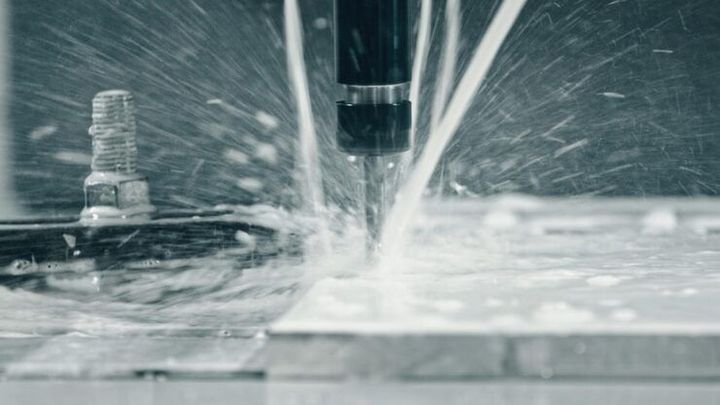
A water jet cutting machine is an industrial manufacturing system that cuts materials using an extremely high-pressure stream of water. For tougher materials such as steel, titanium, ceramics, stone, and glass, tiny abrasive particles are mixed with the water to improve cutting performance.
The technology was developed to provide accurate cutting without exposing materials to high temperatures. Unlike thermal cutting methods, water jet cutting keeps the material cool during the process, reducing the risk of heat-related damage.
Today, precision cutting technology is widely used across manufacturing, aerospace, automotive, construction, electronics, metal fabrication, and engineering industries where accuracy and clean edges are important.
Importance: Why Water Jet Cutting Matters Today
Supporting Modern Manufacturing
Industries increasingly require complex parts with precise dimensions. Water jet cutting machines help produce detailed components while maintaining the original properties of the material.
Some of the major benefits include:
- High cutting precision
- Smooth cutting edges
- Minimal material waste
- Suitable for delicate and thick materials
- Ability to cut many different materials with one system
High-precision industrial cutting also supports faster product development, custom manufacturing, and improved production efficiency.
Common Applications
| Industry | Typical Materials |
|---|---|
| Aerospace | Aluminum, titanium, composites |
| Automotive | Steel panels, rubber, plastics |
| Construction | Marble, granite, tiles |
| Electronics | Copper, insulation materials |
| Manufacturing | Stainless steel, carbon steel, plastics |
The flexibility of CNC water jet cutting systems makes them valuable for industries requiring detailed shapes and consistent accuracy.
Recent Updates: Industry Developments During the Past Year
The water jet cutting industry has continued evolving through 2025 and early 2026, focusing on automation, efficiency, and sustainability.
Smarter Automation
Many modern systems now integrate intelligent software that automatically adjusts cutting paths, pressure levels, and abrasive flow to improve precision while reducing material waste.
Better Energy Efficiency
Equipment manufacturers have introduced improved high-pressure pumps that consume less energy while maintaining stable cutting performance.
Digital Monitoring
More industrial facilities now use digital monitoring systems that track machine performance, maintenance schedules, and production data to reduce unexpected downtime.
Environmental Improvements
Manufacturers are placing greater emphasis on water recycling systems and abrasive recycling technologies to reduce environmental impact and conserve resources.
These developments reflect the broader movement toward smart manufacturing and Industry 4.0 practices.
Laws or Policies: Safety and Regulatory Considerations
Water jet cutting machines operate under workplace safety and industrial equipment regulations that vary between countries.
Common regulatory areas include:
- Occupational health and workplace safety requirements
- Machine guarding standards
- High-pressure equipment inspection guidelines
- Environmental rules for wastewater management
- Noise control regulations
- Industrial operator safety training requirements
Many countries also encourage energy-efficient manufacturing practices through industrial modernization programs and sustainability initiatives. Organizations using precision cutting equipment are generally expected to follow applicable machinery safety standards and environmental regulations.
Tools and Resources
Several general resources help engineers, students, and manufacturers understand water jet cutting technology.
Useful learning and planning resources include:
- CAD design software
- CNC programming simulators
- Material thickness calculators
- Pressure calculation tools
- Manufacturing process guides
- Engineering design templates
- Maintenance scheduling software
- Industrial safety checklists
- Production planning applications
These resources assist users in improving cutting accuracy, workflow planning, and equipment maintenance.
Water Jet Cutting Process Overview
The following table summarizes the basic cutting workflow.
| Process Stage | Purpose |
|---|---|
| Water Pressurization | Creates ultra-high-pressure water |
| Abrasive Mixing | Improves cutting strength for hard materials |
| Nozzle Delivery | Directs the cutting stream accurately |
| CNC Control | Guides cutting path automatically |
| Finished Component | Produces precise edges with minimal distortion |
Precision Cutting Workflow
| Step | Progress |
|---|---|
| Design Preparation | ██████████ 100% |
| Material Positioning | ██████████ 100% |
| Pressure Generation | ██████████ 100% |
| Precision Cutting | ██████████ 100% |
| Quality Inspection | ██████████ 100% |
FAQs
How does a water jet cutting machine cut metal?
It uses extremely high-pressure water mixed with abrasive particles that gradually erode the material, creating clean and accurate cuts.
Does water jet cutting produce heat?
No. Water jet cutting is considered a cold cutting process because it does not generate significant heat that could change the material's structure.
Which materials can be cut?
Water jet cutting can process metals, glass, stone, ceramics, composites, plastics, rubber, foam, and many other materials.
Why is CNC important in water jet cutting?
CNC technology controls the cutting path with high accuracy, allowing consistent production of complex shapes and detailed components.
What industries commonly use water jet cutting?
It is widely used in aerospace, automotive manufacturing, construction, metal fabrication, electronics, mining, marine engineering, and industrial manufacturing.
Conclusion
Water jet cutting machines have become an important part of modern precision manufacturing because they provide accurate cutting without exposing materials to excessive heat. Their ability to process a wide range of materials makes them suitable for many industrial applications, from aerospace components to architectural stone.
Recent improvements in automation, digital monitoring, and energy efficiency continue to increase productivity while supporting more sustainable manufacturing practices. As industries adopt smarter production technologies, water jet cutting remains a reliable solution for achieving precision, flexibility, and consistent quality.
Disclaimer
This article is intended for educational and informational purposes only. Regulations, equipment specifications, and industrial practices may vary by country, industry, and manufacturer. Readers should consult applicable safety standards and official regulatory guidance when working with industrial machinery.