Importance: Why IoT Security Matters Today
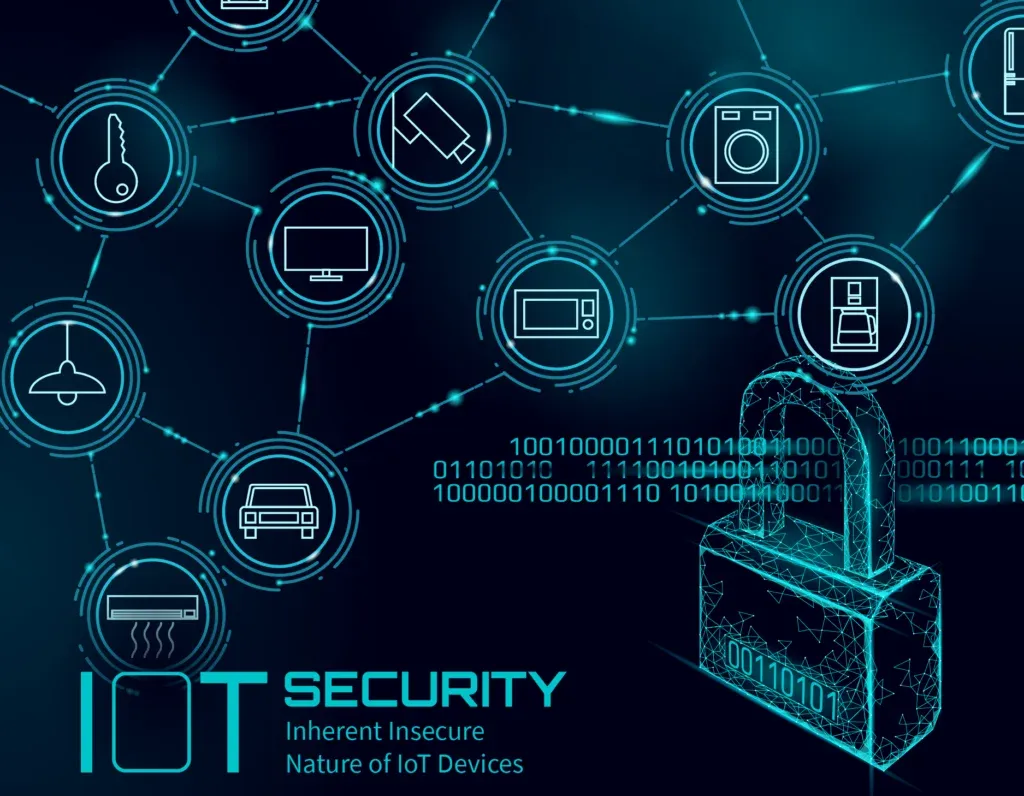
The growth of connected devices has transformed homes, industries, and infrastructure—but it has also expanded the digital attack surface. Without proper protection, devices can be accessed, manipulated, or disrupted. IoT security platforms are essential for managing these risks and ensuring safe operation.
Who it impacts:
-
Individuals using smart home devices, wearables, and cameras
-
Healthcare providers relying on connected monitoring systems
-
Industrial operators using automation and sensor networks
-
Agriculture systems using smart irrigation and weather tools
-
Transportation networks with connected vehicles and tracking systems
-
Energy and utility providers using smart meters and grid sensors
Key problems IoT security solves:
-
Managing identity across large numbers of devices
-
Protecting sensitive data during transmission
-
Preventing unauthorized access
-
Reducing cyber-related disruptions
-
Ensuring reliability of critical systems
-
Maintaining trust in connected technologies
IoT security platforms play a central role in enabling safe, scalable, and resilient connected environments.
Recent Updates: Trends and Developments
IoT security is evolving continuously with advancements in technology and increasing device adoption.
Ongoing trends include:
-
Zero-trust security models
Every device and connection is verified before access is granted
-
AI-based threat detection
Machine learning identifies unusual device behavior in real time
-
Unified communication standards
Improved interoperability with stronger encryption and identity control
-
Secure device lifecycle management
Includes secure boot, verified updates, and controlled device retirement
-
Supply chain security focus
Ensures firmware integrity and validates hardware origins
-
Advanced cryptography exploration
Research into stronger encryption methods for future threats
These developments reflect a shift toward automated, intelligent, and secure-by-design IoT ecosystems.
Laws or Policies: Regulatory Frameworks
IoT security is influenced by global cybersecurity regulations and national policies.
Key frameworks across regions:
| Region | Focus Areas |
|---|
| United States | Device protection, identity management |
| European Union | Mandatory security standards and transparency |
| United Kingdom | Unique credentials and vulnerability disclosure |
| India | Secure infrastructure and IoT governance |
| Asia-Pacific | Device certification and encryption standards |
Common regulatory expectations:
-
Strong device identity and authentication
-
Secure and verified software updates
-
Data protection and encryption
-
Transparency for users
-
Defined vulnerability reporting processes
These policies ensure consistent and responsible IoT deployment worldwide.
Tools and Resources: IoT Security Platforms
Various tools help organizations monitor, manage, and secure IoT environments.
Widely used platforms:
-
Azure IoT Defender
-
AWS IoT Device Defender
-
Google Cloud IoT security tools
-
IBM IoT security frameworks
-
Cisco IoT security solutions
Open-source tools:
-
Eclipse IoT libraries
-
OpenSSL for encryption
-
Zephyr RTOS security components
Supporting resources:
-
Cybersecurity guidelines (NIST, ETSI)
-
Device certification portals
-
Risk management frameworks
-
Security checklists and templates
Example Security Tools Table
| Tool Type | Purpose | Benefit |
|---|
| Monitoring Systems | Track device behavior | Detect threats early |
| Encryption Tools | Secure communication | Protect sensitive data |
| Identity Systems | Manage device access | Prevent unauthorized use |
| Audit Platforms | Evaluate security posture | Ensure compliance |
These tools support structured and proactive IoT security management.
FAQs: Common Questions Answered
What does an IoT security platform do?
It manages device identity, encrypts data, monitors threats, and protects communication between connected devices.
Why are IoT devices vulnerable?
Many devices have limited processing power and security features, and large-scale deployment increases exposure to threats.
How does monitoring work?
By analyzing traffic patterns and device behavior to detect unusual activity or potential risks.
Are there global standards?
Yes. Organizations like NIST, ETSI, and ISO provide guidelines for secure device design and operation.
Do security requirements change?
Yes. They evolve as new threats, technologies, and regulations emerge.
Conclusion
IoT security platforms are essential for protecting modern connected systems across industries and everyday life.
As IoT adoption grows, strong identity management, encryption, and continuous monitoring become critical for maintaining safety and reliability. With evolving technologies, global policies, and advanced tools, IoT security continues to shape the future of secure digital ecosystems.