Learn About Gasket Manufacture: Overview, Process & Key Insights
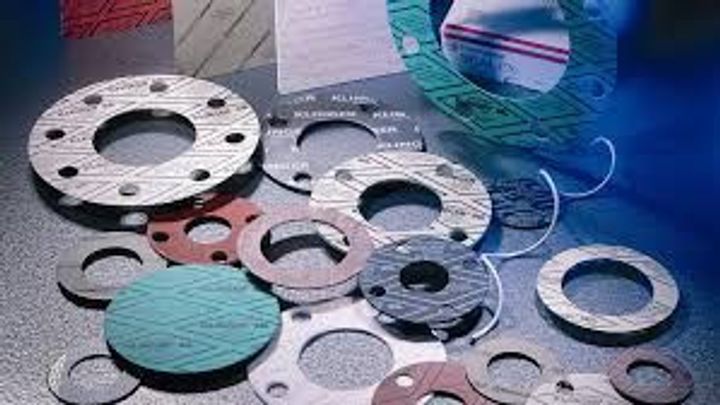
A gasket is a mechanical seal placed between two or more mating surfaces to prevent leakage of fluids or gases. Gasket manufacture refers to the engineering and production of such sealing components, using materials like rubber, metal, composite sheets, cork, and PTFE.
This industry exists because many machines, pipelines, and mechanical joints cannot rely on perfectly flat, perfectly matching surfaces. The gasket fills tiny irregularities, maintains pressure boundaries, prevents leaks, and ensures safe operation of systems.
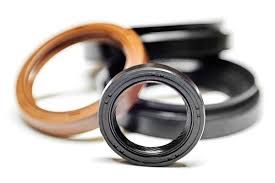
Manufacturing gaskets involves several steps — design, material selection, shaping or cutting, finishing, and quality control — all aimed at meeting the application’s performance requirements, such as temperature resistance, pressure limits, and chemical compatibility.
Understanding how gaskets are made — from material selection to certification — provides valuable insight into one of the most important yet often overlooked components of modern machinery.
Importance
Gasket manufacture plays an essential role across multiple industries for several reasons:
-
Leak prevention and safety
Properly manufactured gaskets prevent fluid or gas leaks in critical systems such as pipelines, engines, and reactors. -
Performance and longevity
Reliable gaskets protect equipment from wear, corrosion, and contamination, leading to fewer breakdowns and longer service life. -
Regulatory compliance
Many sectors, especially automotive, energy, and food processing, require sealing components that meet safety and quality standards. -
Industrial growth
Expanding infrastructure and manufacturing activities drive demand for high-quality gasket materials and improved fabrication technologies. -
Innovation
With machines operating under higher temperatures and pressures, gasket design now demands stronger materials and precision fabrication.
By solving leakage and sealing challenges, gasket manufacturing supports safer, cleaner, and more efficient operations across almost every industrial domain.
Recent Updates
The gasket manufacturing industry continues to evolve with technology and materials innovation.
Key developments include:
-
Advanced materials
Non-asbestos materials, PTFE blends, and hybrid metal-filler composites are replacing traditional materials to meet modern performance requirements. -
Automation and precision cutting
Technologies such as laser cutting, waterjet cutting, and digital knife systems improve accuracy and reduce waste. -
Quality certifications
Updated standards like IS 7466:2023 emphasize traceability and stricter testing. -
Sustainability
Manufacturers are adopting eco-friendly materials and reducing production waste. -
Digitalisation
Integration of CAD and CAM systems improves speed, accuracy, and consistency in production.
These updates highlight a shift toward precision, sustainability, and compliance-driven manufacturing.
Laws or Policies
Gasket manufacturing in India is regulated through standards and quality-control frameworks to ensure safety and reliability.
Key regulatory areas include:
-
IS 11149 (1984)
Defines requirements for vulcanised rubber gaskets, including strength and durability testing. -
AIS-081
Specifies standards for automotive rubber gaskets and performance testing. -
IS 7466:2023
Covers rubber gaskets for pressure cookers and requires BIS certification. -
Quality Control Orders (QCOs)
Mandate certification for specific gasket categories. -
International standards
ISO, ASTM, and UL certifications are often required for global compliance and export.
These regulations ensure that gasket products meet strict performance and safety criteria.
Tools and Resources
Various tools and resources support gasket design, manufacturing, and quality assurance.
Useful resources include:
-
Material selection charts
Help compare materials based on temperature, pressure, and chemical compatibility -
CAD/CAM design software
Tools like AutoCAD and SolidWorks support precise gasket design -
Cutting and fabrication guides
Cover methods such as die cutting, waterjet cutting, and compression molding -
Testing laboratories
Perform tensile, compression, and leak tests -
Regulatory portals
BIS, ISO, and UL websites provide compliance information -
Industry publications
Offer insights into new materials, trends, and technologies
Resource Overview Table
| Resource Type | Purpose |
|---|---|
| Material & design guides | Select suitable materials and shapes |
| Certification resources | Ensure compliance and standards |
| CAD/CAM tools | Improve design accuracy and efficiency |
| Testing laboratories | Verify durability and performance |
| Industry publications | Provide trends and technical insights |
FAQs
Q1: What materials are commonly used in gasket manufacturing?
Rubber, silicone, neoprene, cork, graphite, PTFE, and metal composites are widely used depending on operating conditions.
Q2: Which manufacturing methods are most common?
Die cutting, waterjet cutting, laser cutting, injection molding, and compression molding are widely used processes.
Q3: Why is material selection important?
Material properties determine performance under heat, pressure, and chemical exposure. Incorrect selection can lead to failure or leakage.
Q4: What tests are performed on gaskets?
Tests include tensile strength, compression set, hardness, dimensional accuracy, ageing resistance, and leak testing.
Q5: Are certifications mandatory in India?
Yes. Certain gasket types require BIS certification under standards like IS 7466:2023.
Conclusion
Gasket manufacture is a critical process in mechanical engineering, ensuring systems remain sealed, efficient, and safe. It combines material science, precision engineering, and strict quality standards.
With increasing industrial demand, the field continues to evolve through automation, sustainable materials, and global compliance practices. Understanding gasket manufacturing helps highlight its essential role in maintaining safety and performance across modern machinery and infrastructure.