Learn About Virtual Reality (VR) Headsets: Overview, Basics & Key Insights
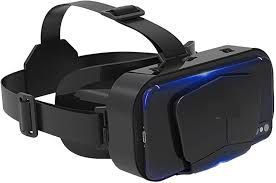
Understanding Virtual Reality (VR) Headsets Virtual Reality (VR) headsets are immersive devices designed to simulate a three-dimensional digital environment. They use advanced sensors, screens, and motion tracking to allow users to experience and interact with a virtual world as though they were physically present inside it.
The concept of virtual reality emerged in the mid-20th century, but it became practical with the advancement of computer graphics, motion tracking, and mobile technologies in the 2010s. Today, VR headsets are used not only for entertainment but also for education, healthcare, engineering, and business simulations.
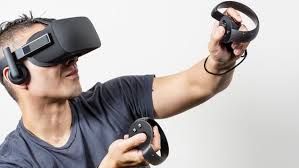
VR headsets typically include components such as high-resolution displays, motion sensors, gyroscopes, accelerometers, and controllers. These elements work together to track head movements, display realistic graphics, and respond to user actions in real-time, creating a sense of “presence.”
Importance
Why Virtual Reality (VR) Matters Today
Virtual Reality has become a powerful medium for innovation and learning in today’s digital ecosystem. It offers immersive experiences that can transform how people communicate, learn, design, and explore information.
Key areas where VR is making an impact include:
-
Education and Training
Students can experience virtual laboratories, historical simulations, and real-world environments in a controlled digital space. -
Healthcare
Surgeons and medical students use VR for anatomy lessons, surgical simulations, and patient therapy. -
Architecture and Engineering
Designers can walk through 3D models before construction begins, improving accuracy and collaboration. -
Gaming and Entertainment
VR has revolutionized gaming by offering fully immersive experiences beyond traditional screens. -
Remote Work and Collaboration
Virtual meetings and shared digital workspaces enhance global collaboration.
As industries become increasingly digital, VR helps bridge the gap between physical and virtual experiences while also improving accessibility for individuals with mobility or travel limitations.
Recent Trends and Developments (2024–2025)
The Virtual Reality industry has seen major advancements over the past year. New hardware, AI integration, and broader accessibility have reshaped global adoption.
Key trends include:
-
Standalone VR Headsets
Devices such as Meta Quest 3 and Apple Vision Pro provide wireless, high-performance experiences without external hardware. -
AI-Powered Virtual Environments
Artificial intelligence enables realistic characters, environments, and interactive experiences. -
Mixed Reality Integration
Combining real and virtual worlds is becoming mainstream in gaming and industrial training. -
Expansion in Education and Corporate Training
Organizations increasingly use VR for immersive learning and skill development. -
Growth in Fitness and Wellness Applications
VR-based fitness and meditation tools support physical and mental health.
Market Growth Overview
| Year | Global VR Users (Estimated) | Major Trend |
|---|---|---|
| 2023 | 90 million | Rise of standalone headsets |
| 2024 | 120 million | Mixed Reality adoption |
| 2025 (forecast) | 150 million+ | AI-driven VR content |
These developments highlight rapid growth and increasing accessibility of VR technology.
Policies, Standards, and Regulations
Virtual Reality technology is subject to various regulations related to data protection, safety, and content control.
Key regulatory areas include:
-
Data Privacy and User Safety
Regulations such as GDPR and India’s DPDPA 2023 ensure responsible handling of user data collected through VR systems. -
Content Guidelines
Governments and platforms regulate VR content to protect users, especially minors. -
Health and Safety Standards
Organizations like ISO and IEEE provide guidelines to reduce risks such as eye strain and motion sickness. -
Accessibility and Inclusion
Policies encourage development of VR systems that are accessible to individuals with disabilities.
These frameworks help ensure ethical and safe use of immersive technologies.
Tools and Resources
A wide range of tools and platforms support VR development, learning, and exploration.
Popular VR Platforms and Tools
- Unity 3D for developing interactive VR applications
- Unreal Engine for high-quality graphics and simulations
- SteamVR for accessing VR games and applications
- Oculus Developer Hub for testing and optimizing VR apps
- VRChat for social interaction in virtual environments
Learning and Information Resources
- Google Arts & Culture VR for virtual museum tours
- Coursera VR courses for structured learning
- YouTube VR for 360° videos and tutorials
- VR education platforms such as ClassVR and Engage VR
These tools help developers, educators, and users explore the full potential of VR technology.
FAQs
What is the main difference between VR and AR?
VR creates a fully digital immersive environment, while AR overlays digital elements onto the real world.
Can VR be used for education and training?
Yes, VR is widely used for immersive learning, simulations, and skill development in schools and professional environments.
Are there health risks associated with VR?
Some users may experience eye strain or motion sickness with extended use. Following usage guidelines helps minimize these effects.
What devices are required for VR?
Some VR headsets work independently, while others require connection to a PC or console for advanced performance.
How is VR shaping the future?
VR is transforming industries by enabling immersive experiences, improving communication, and supporting innovation in multiple sectors.
Conclusion
Virtual Reality is one of the most transformative technologies of the modern era. It combines immersive visuals, interactivity, and advanced computing to reshape how people experience digital content.
From education and healthcare to entertainment and engineering, VR continues to expand its influence globally. As technology advances with AI integration and improved accessibility, VR is becoming an essential tool for both personal and professional use. Understanding its applications, tools, and regulations helps ensure responsible and effective adoption.