Metal Fabrication Overview: A Complete Guide with Insights, Tips & Key Details
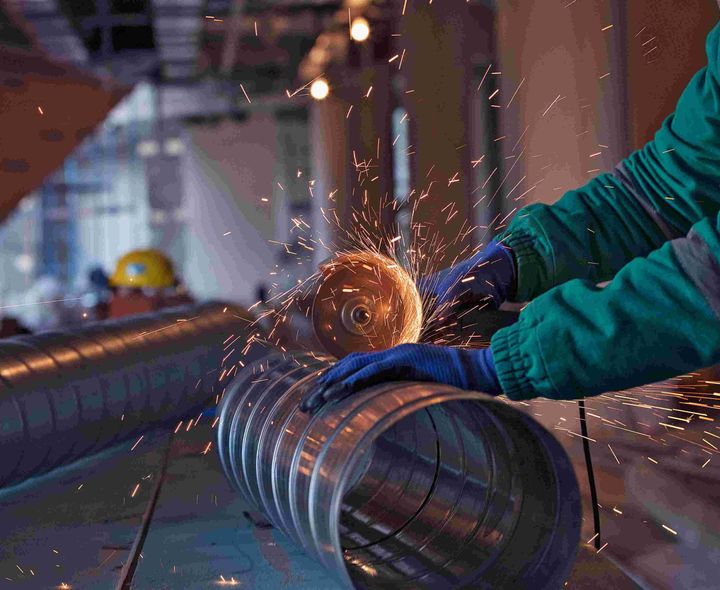
Metal fabrication refers to the process of shaping, cutting, assembling, and forming metal into usable structures, components, and products. It exists to support industries that require durable, precise, and reliable metal parts, ranging from infrastructure and transportation to manufacturing, renewable energy, and consumer applications. The field combines mechanical processes, engineering principles, and modern technologies such as automation and digital modeling.
The need for metal fabrication began with early human tools but has evolved into a highly organized industrial process. Today, it includes several specialized activities such as welding, machining, bending, stamping, and surface finishing. These procedures allow industries to create everything from building frameworks and automotive components to robotics parts and aerospace structures.
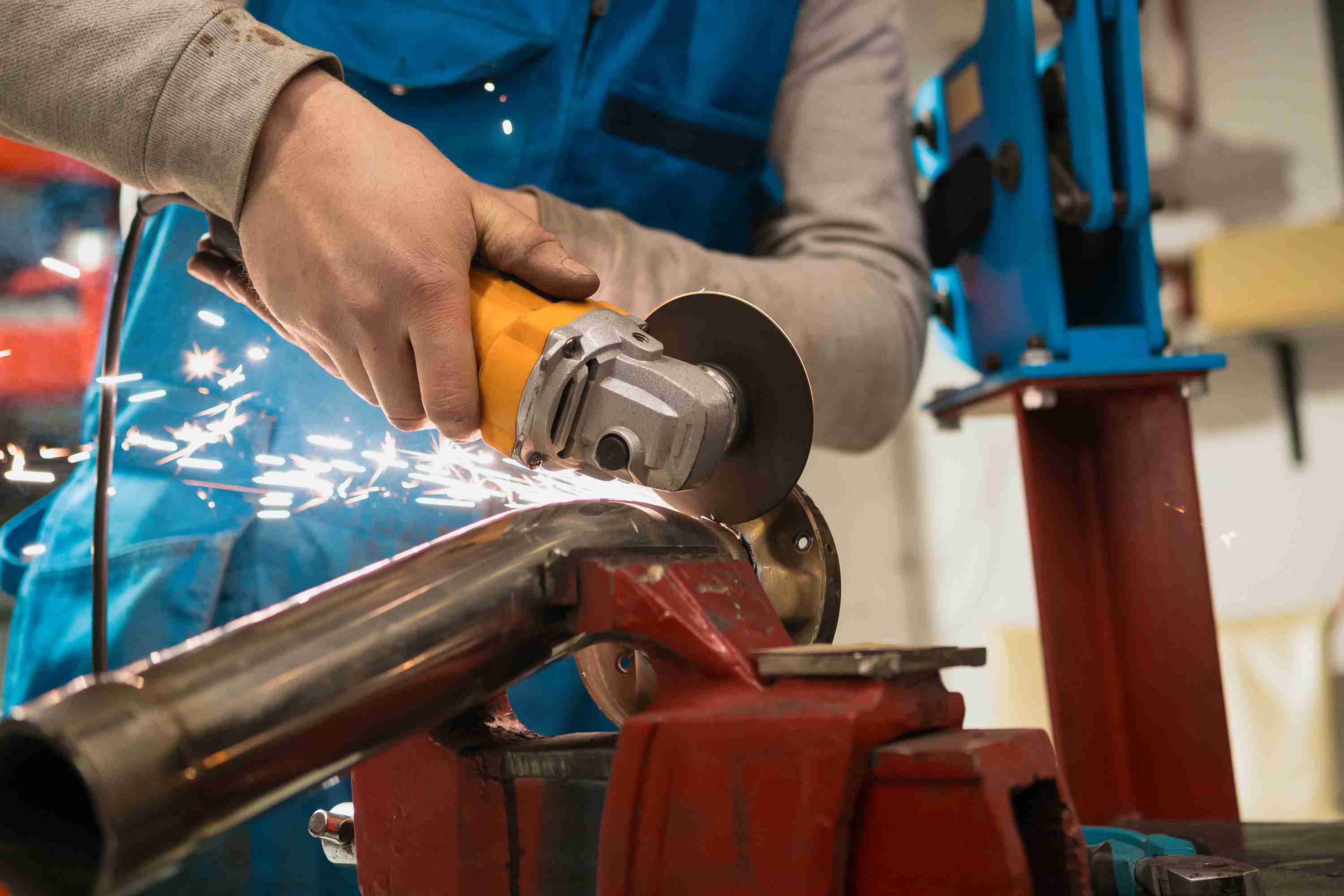
Because metals such as steel, aluminum, copper, and titanium are strong and versatile, metal fabrication remains a critical foundation of industrial development. It also plays a central role in supply chains, digital manufacturing, and precision engineering. As global industries continue to modernize, the demand for accurate, high-quality metal components remains consistent.
High-value keywords naturally included in this context: metal fabrication techniques, sheet metal processes, industrial manufacturing insights, CNC machining basics, welding methods overview, fabrication technology trends.
Importance and Relevance Today
Metal fabrication is significant because it supports essential sectors that rely on durable structures and components. The field affects manufacturers, engineers, construction planners, transportation designers, energy developers, and various industrial stakeholders. Its importance has grown due to increased demand for precision, sustainability, and digital integration.
Several reasons highlight its relevance:
-
Infrastructure development
Bridges, buildings, pipelines, and railway frameworks require fabricated metal parts to ensure structural strength and reliability. -
Industrial manufacturing
Production lines depend on metal components made through machining, stamping, cutting, and fastening. -
Automotive and transportation
Modern mobility systems use fabricated metal for vehicle bodies, frames, engine parts, and safety elements. -
Aerospace and defense engineering
High-performance metals such as titanium and specialized alloys require advanced fabrication methods for lightweight strength. -
Renewable and clean energy
Wind turbines, solar mounting systems, hydropower structures, and energy-storage systems rely on robust fabricated components. -
Digital and smart manufacturing
The rise of Industry 4.0 has increased the demand for accuracy, automation, and digital fabrication, improving efficiency and reducing waste.
Metal fabrication also helps solve problems related to structural performance, long-term durability, scalability, and precision engineering. Its processes allow industries to convert raw metal into safe, reliable, and functional parts that meet strict standards.
Recent Updates and Trends
Over the past year, the metal fabrication field has experienced noticeable shifts driven by modernization and global industrial changes.
Key developments (2024–2025):
-
Adoption of automation and robotics
Automation continues to grow across welding, cutting, and assembly lines, enabling consistent precision and improved efficiency. -
Increased use of AI-assisted fabrication software
Predictive modeling, automated nesting, and intelligent simulation tools optimize material usage and production speed. -
Sustainable fabrication practices
Industries are focusing more on recyclable metals and energy-efficient equipment to reduce emissions and waste. -
Growth of 3D metal printing
Additive manufacturing using metal powders is expanding in aerospace, medical, and tooling sectors. -
Use of high-strength lightweight metals
Aluminum alloys, advanced steels, and titanium are increasingly used for lightweight and energy-efficient designs. -
Improved safety and monitoring technologies
Smart helmets, digital monitoring systems, and advanced inspection tools are enhancing workplace safety.
These developments highlight a shift toward digitalization, sustainability, and high-precision manufacturing.
Laws, Standards, and Policy Considerations
Metal fabrication is governed by safety regulations, environmental guidelines, and quality standards.
Common regulatory areas include:
-
Workplace Safety Regulations
Requirements for protective equipment, machine safety, ventilation, and training to prevent injuries. -
Environmental Regulations
Control of emissions, dust, waste disposal, and energy efficiency in fabrication processes. -
Material and Testing Standards
Standards such as ISO and ASTM define material properties, testing methods, and quality benchmarks. -
Building and Construction Codes
Ensure fabricated components meet safety requirements for structural applications. -
Energy Efficiency Policies
Encourage use of sustainable equipment and low-energy processes. -
Welding Standards
Guidelines ensure safety and quality across welding operations.
These policies promote safe operations, environmental responsibility, and consistent product quality.
Tools, Technologies, and Helpful Resources
Metal fabrication relies on a combination of machinery, software, and measurement tools.
Fabrication software:
- CAD modeling platforms
- CAM programming tools
- Nesting optimization software
- Structural design applications
- AI-assisted simulation tools
Common fabrication equipment:
- CNC laser cutting machines
- Plasma and oxy-fuel systems
- Press brakes and bending machines
- Milling machines and lathes
- Welding equipment (MIG, TIG, arc)
Measurement and inspection tools:
- Digital calipers
- Coordinate Measuring Machines (CMM)
- Ultrasonic and X-ray inspection tools
- Surface profiling devices
Informational and learning resources:
- Engineering standards databases
- Fabrication handbooks
- Material property charts
- Safety compliance guides
- Training modules and industry platforms
These tools help ensure precision, efficiency, and safe fabrication practices.
Useful Reference Table
| Metal Type | Key Properties | Typical Uses |
|---|---|---|
| Steel | Strong, durable | Construction, machinery |
| Aluminum | Lightweight, corrosion-resistant | Aerospace, transport |
| Stainless Steel | Corrosion-resistant | Food processing, medical tools |
| Copper | High conductivity | Electrical systems |
| Titanium | Strong and lightweight | Aerospace, high-performance components |
Frequently Asked Questions
What is the purpose of metal fabrication?
Metal fabrication converts raw metal into usable parts through cutting, forming, welding, and assembly, enabling durable and precise components.
Which metals are commonly used?
Steel, aluminum, stainless steel, copper, and titanium are widely used depending on application needs.
How does it support industries?
It provides essential components for construction, transportation, energy, and manufacturing systems.
What technologies are shaping the field?
Automation, robotics, AI tools, 3D metal printing, and advanced inspection systems are key innovations.
Why is safety important?
Fabrication involves heat, machinery, and sharp materials, making safety essential for worker protection and compliance.
Conclusion
Metal fabrication remains a cornerstone of modern industry, enabling the creation of strong, reliable, and precise components. It integrates traditional processes with advanced technologies such as automation and digital modeling.
As industries evolve, fabrication continues to support infrastructure, transportation, energy, and high-performance engineering. Understanding its processes, tools, and trends helps professionals and learners stay aligned with modern industrial advancements.