Orthopedic Bracing Manufacturing Insights: Trends Shaping Modern Support Devices
Orthopedic bracing manufacturing focuses on the design and production of devices that support joints, muscles, and bones during recovery or daily activity.
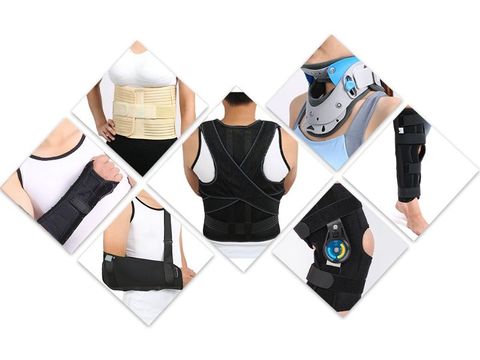
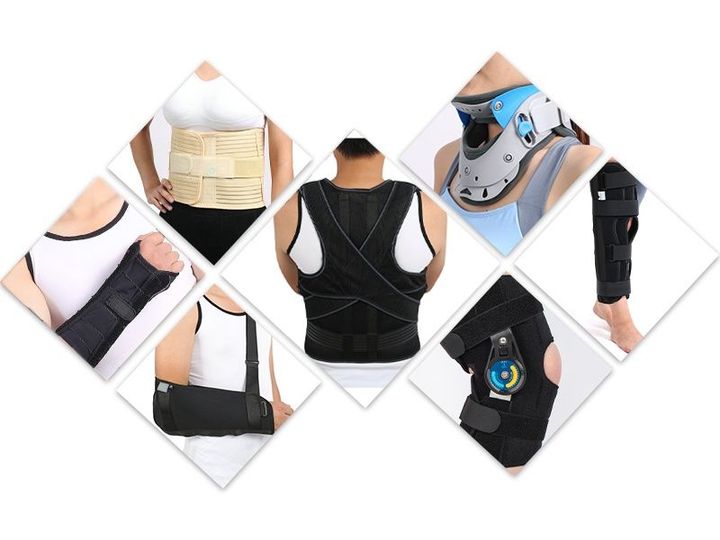
These devices include orthopedic support braces for areas such as the knee, spine, ankle, and wrist. They are widely used by individuals recovering from injuries, managing chronic conditions, or preventing strain during physical activity.
The field has evolved alongside advancements in materials science and medical understanding. Early braces were rigid and limited in comfort, but modern orthopedic bracing systems are designed to balance stability with flexibility. Today, orthopedic brace manufacturers and orthopedic braces suppliers produce a wide range of solutions, including custom orthopedic bracing tailored to individual needs.
Orthopedic braces for injury recovery and rehabilitation orthopedic support devices are now an integral part of healthcare and sports medicine. From spinal support braces for patients with posture issues to orthopedic braces for sports injuries, these devices aim to assist mobility and reduce discomfort.
Importance
Orthopedic bracing plays a significant role in improving quality of life for many people. It helps individuals recover from injuries, manage chronic conditions, and maintain physical activity levels. Knee brace manufacturing and spine brace manufacturers contribute to solutions that address common issues such as ligament injuries, back pain, and joint instability.
These devices are particularly important for:
- Injury recovery: Orthopedic braces for injury recovery help stabilize affected areas and reduce strain during healing.
- Chronic conditions: Conditions like arthritis often require ongoing support through orthopedic rehabilitation braces.
- Sports participation: Athletes rely on orthopedic braces for sports injuries to prevent further damage and maintain performance.
- Aging populations: Older adults often use spinal support braces for patients to improve posture and reduce discomfort.
Without proper support systems, individuals may face longer recovery times or reduced mobility. Advanced orthopedic support systems aim to address these challenges by combining comfort, durability, and functionality.
Recent Updates
Advancements in Materials
Recent developments in orthopedic brace production include the use of lightweight and breathable materials. Modern braces often incorporate:
- Moisture-wicking fabrics to improve comfort
- Flexible polymers for better movement
- Reinforced structures for targeted support
These improvements help users wear braces for extended periods without discomfort.
Digital Customization
Custom orthopedic bracing has seen growth through digital technologies. 3D scanning and modeling allow manufacturers to create braces that match an individual’s anatomy more closely. This approach improves fit and effectiveness compared to standard designs.
Integration of Smart Features
Some orthopedic bracing systems now include sensors that monitor movement or pressure. These features can provide feedback to users and healthcare providers, supporting rehabilitation progress tracking.
Global Manufacturing Trends
Global orthopedic device manufacturers are expanding production capabilities to meet increasing demand. Factors influencing this trend include:
- Rising awareness of injury prevention
- Growth in sports participation
- Increased focus on rehabilitation care
These developments highlight a shift toward more personalized and technology-driven solutions in orthopedic support braces.
Laws or Policies
Orthopedic bracing manufacturing is influenced by medical device regulations in many countries. These rules ensure that products meet safety and quality standards before reaching users.
Regulatory Frameworks
In India, orthopedic braces are generally classified under medical device regulations overseen by authorities such as the Central Drugs Standard Control Organization (CDSCO). Manufacturers must follow guidelines related to:
- Product safety and testing
- Quality control processes
- Labeling and usage instructions
International Standards
Global orthopedic device manufacturers often align with international standards such as ISO certifications. These standards help maintain consistency in production and ensure that orthopedic braces suppliers meet recognized quality benchmarks.
Patient Safety Guidelines
Policies also emphasize patient safety by requiring:
- Clear instructions for use
- Proper sizing and fitting information
- Documentation of materials used
These regulations aim to reduce risks and ensure that orthopedic rehabilitation braces perform as intended.
Tools and Resources
Various tools and resources support the development and use of orthopedic bracing systems. These resources are useful for both manufacturers and users seeking better understanding.
Design and Manufacturing Tools
Manufacturers use advanced tools to improve orthopedic brace production, including:
- CAD software for precise design modeling
- 3D scanning systems for custom orthopedic bracing
- Material testing equipment to ensure durability
Educational Platforms
Online platforms provide information about orthopedic support braces, including:
- Medical education websites explaining brace types and uses
- Research databases with studies on rehabilitation orthopedic support devices
- Instructional videos demonstrating proper usage
Measurement and Fit Guides
Accurate fitting is essential for effectiveness. Common resources include:
- Size charts provided by orthopedic brace manufacturers
- Measurement guides for knee, spine, and limb braces
- Digital tools that assist in selecting appropriate brace types
Comparison Table of Common Orthopedic Braces
| Brace Type | Primary Use | Key Features | Common Users |
|---|---|---|---|
| Knee Brace | Ligament support and recovery | Hinges, adjustable straps | Athletes, injury recovery |
| Spine Brace | Posture correction and stability | Rigid or semi-rigid structure | Back pain patients |
| Ankle Brace | Joint stabilization | Compression, lightweight design | Sports participants |
| Wrist Brace | Support for repetitive strain | Flexible support, padding | Office workers, patients |
| Custom Orthopedic Bracing | Personalized support | Tailored fit, advanced materials | Various medical conditions |
FAQs
What do orthopedic brace manufacturers produce?
Orthopedic brace manufacturers produce devices designed to support joints and muscles. These include knee braces, spinal support braces for patients, and other orthopedic support braces used for recovery and daily activities.
How does knee brace manufacturing differ from other braces?
Knee brace manufacturing often focuses on stability and movement control. These braces may include hinges or adjustable components to support ligament injuries, making them different from simpler compression-based braces.
What are orthopedic rehabilitation braces used for?
Orthopedic rehabilitation braces are used during recovery from injuries or surgeries. They help stabilize affected areas, reduce strain, and support gradual movement as part of the healing process.
Are custom orthopedic bracing solutions necessary?
Custom orthopedic bracing is often used when standard sizes do not provide adequate support or fit. These braces are designed based on individual measurements, which can improve comfort and effectiveness.
Who are global orthopedic device manufacturers?
Global orthopedic device manufacturers are companies involved in producing a wide range of orthopedic solutions, including braces and support systems. They often operate across multiple regions and follow international quality standards.
Conclusion
Orthopedic bracing manufacturing plays a key role in supporting recovery, mobility, and injury prevention. Advances in materials, customization, and technology have improved the comfort and effectiveness of orthopedic support braces. Regulations and standards help ensure safety and consistency across products. As demand continues to grow, orthopedic bracing systems are becoming more adaptable to individual needs. These developments reflect the ongoing importance of supportive devices in healthcare and daily life.