Pedicle Screw Manufacturing Insights: Innovations Shaping Modern Implants
Pedicle screw manufacturing plays a central role in modern spinal care, particularly in procedures involving stabilization of the spine.
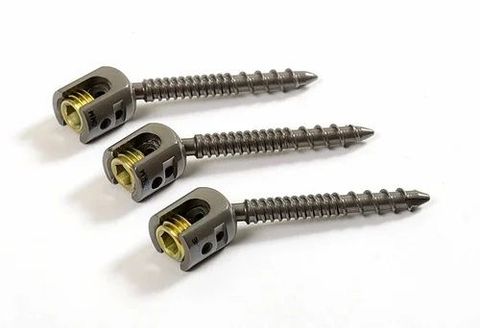
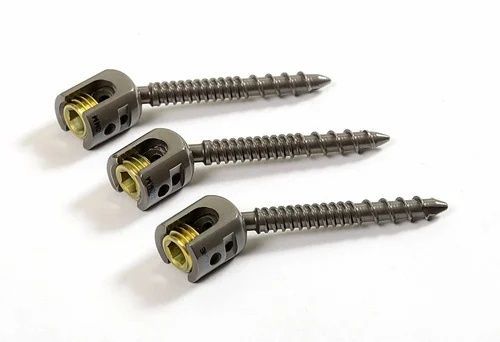
These screws are small but highly engineered medical devices used to support the vertebrae during healing or correction. Commonly referred to as spinal pedicle screws or orthopedic pedicle screws, they are inserted into the pedicle of a vertebra and connected with rods to create a stable structure.
The concept of spinal fixation pedicle screws developed as part of advancements in orthopedic implant technology. Over time, pedicle screw manufacturers have refined materials, design, and production techniques to improve reliability and compatibility with human anatomy. Today, spine implant pedicle screws are used in various procedures, including spinal fusion and correction of deformities.
Modern pedicle screw system manufacturers focus on precision engineering, ensuring that each component meets strict medical standards. The growing demand for minimally invasive pedicle screw systems has also influenced how these implants are designed and manufactured.
Importance
Pedicle screw manufacturing is important because it directly impacts patient outcomes in spinal procedures. These devices are used in treatments for conditions such as scoliosis, spinal instability, and degenerative disc disease. Their role is to provide structural support while the spine heals or fuses.
For patients, this means improved stability and reduced risk of complications during recovery. For healthcare providers, the quality of orthopedic spine implant solutions determines how effectively a procedure can be performed.
Key reasons why this topic matters include:
- Patient safety: Well-manufactured titanium pedicle screws reduce the risk of implant failure.
- Surgical precision: Consistent design helps surgeons place screws accurately.
- Recovery outcomes: Reliable implants support proper spinal alignment and healing.
- Innovation in care: Advances in custom pedicle screw manufacturing allow implants to better match individual anatomy.
As spinal procedures become more common globally, the demand for dependable pedicle screw suppliers and advanced manufacturing methods continues to grow.
Recent Updates
The field of pedicle screw manufacturing has seen steady innovation in recent years. These updates focus on improving performance, safety, and compatibility with minimally invasive surgical techniques.
Advancements in Materials
Manufacturers are increasingly using titanium pedicle screws due to their strength, corrosion resistance, and compatibility with the human body. Some developments include:
- Improved titanium alloys for better durability
- Surface treatments that enhance bone integration
- Lightweight designs that maintain structural strength
Growth of Minimally Invasive Systems
Minimally invasive pedicle screw systems are becoming more widely adopted. These systems are designed to reduce tissue damage during surgery and support faster recovery.
Key features include:
- Smaller screw profiles
- Specialized insertion tools
- Navigation-assisted placement techniques
Customization and Digital Design
Custom pedicle screw manufacturing is gaining attention as digital tools allow for more personalized implant design. Using imaging data, manufacturers can create screws tailored to a patient’s anatomy.
Automation and Precision Manufacturing
Modern orthopedic implant manufacturers spine are integrating advanced manufacturing technologies such as:
- CNC machining for high precision
- Additive manufacturing (3D printing) for complex geometries
- Automated quality inspection systems
These trends reflect a broader shift toward more accurate and patient-specific spinal fixation solutions.
Laws or Policies
Pedicle screw manufacturing is regulated to ensure safety and effectiveness. In India, orthopedic implant manufacturers spine must comply with guidelines set by authorities such as the Central Drugs Standard Control Organization (CDSCO).
Regulatory Classification
Spinal implants, including pedicle screw systems, are generally classified as medical devices. This classification requires manufacturers to follow strict protocols related to:
- Design and development
- Testing and validation
- Documentation and traceability
Quality Standards
Manufacturers are expected to adhere to international quality standards such as ISO 13485. These standards ensure that pedicle screw system manufacturers maintain consistent production processes and quality control.
Approval and Compliance
Before being used in clinical settings, spine implant pedicle screws must undergo evaluation for:
- Biocompatibility
- Mechanical strength
- Sterilization processes
Post-Market Monitoring
Regulations also require ongoing monitoring of implants after they are introduced into the market. This helps identify any issues and ensures continuous improvement in manufacturing practices.
These policies help create a structured environment where pedicle screw suppliers operate within clearly defined safety and quality expectations.
Tools and Resources
Several tools and resources support the development and evaluation of pedicle screw manufacturing processes. These tools are used by engineers, researchers, and healthcare professionals.
Design and Simulation Software
Software platforms help in designing and testing orthopedic pedicle screws before production. Common features include:
- 3D modeling of screw geometry
- Stress and load simulations
- Virtual testing under different conditions
Manufacturing Technologies
Different manufacturing methods are used depending on the design and requirements:
- CNC machining: Ensures high precision and repeatability
- 3D printing: Enables complex and customized designs
- Surface finishing tools: Improve implant integration with bone
Testing and Quality Tools
Quality assurance is critical in pedicle screw system for spinal fusion. Tools used include:
- Mechanical testing machines for load-bearing capacity
- Microscopy for surface analysis
- Sterilization validation systems
Educational and Research Resources
Academic journals, medical conferences, and online platforms provide insights into the latest developments in spinal fixation pedicle screws. These resources help professionals stay updated on evolving practices.
Example Overview of Manufacturing Stages
| Stage | Description |
|---|---|
| Design | Creation of screw geometry and specifications |
| Material Selection | Choosing suitable metals like titanium alloys |
| Machining/Production | Shaping the screw using precision tools |
| Surface Treatment | Enhancing biocompatibility and durability |
| Testing | Evaluating strength and safety |
| Packaging & Sterilization | Preparing for clinical use |
This structured approach ensures consistency across different pedicle screw manufacturers.
FAQs
What is pedicle screw manufacturing?
Pedicle screw manufacturing is the process of designing, producing, and testing screws used in spinal surgeries. These screws are part of systems that stabilize the spine during healing or fusion.
Why are titanium pedicle screws commonly used?
Titanium pedicle screws are widely used because they are strong, lightweight, and compatible with the human body. They also resist corrosion and support long-term stability.
What do pedicle screw system manufacturers focus on?
Pedicle screw system manufacturers focus on precision, safety, and compatibility. This includes ensuring accurate dimensions, reliable materials, and compliance with medical regulations.
How do minimally invasive pedicle screw systems differ?
Minimally invasive pedicle screw systems are designed for smaller surgical openings. They reduce tissue disruption and are often used with specialized tools and imaging guidance.
What role do pedicle screw suppliers play?
Pedicle screw suppliers distribute these implants to healthcare facilities. They ensure availability of different sizes and configurations required for various spinal procedures.
Conclusion
Pedicle screw manufacturing is a critical part of modern orthopedic and spinal care. It combines engineering, material science, and medical knowledge to produce reliable implants. Ongoing innovations, including minimally invasive systems and customized designs, continue to shape the field. Regulatory frameworks and quality standards help maintain safety and consistency. Understanding these aspects provides a clearer view of how spinal fixation solutions are developed and used.