Importance
Why Pressure Transmitters Matter
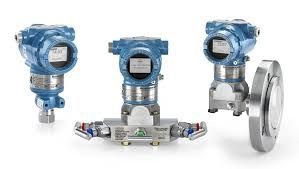
Pressure transmitters are vital for maintaining safe and efficient operations in industrial and environmental systems. Accurate pressure monitoring helps:
-
Prevent equipment damage: Early detection of pressure variations prevents overloading, leaks, or failures
-
Enhance process control: Consistent pressure measurement ensures stable production quality in industries like food processing, chemical manufacturing, and pharmaceuticals
-
Support energy efficiency: Monitoring system pressure helps reduce energy waste in pumps, compressors, and pipelines
-
Ensure safety compliance: Many industrial standards require pressure monitoring to avoid hazardous incidents
In modern industries, automation and data-driven decision-making depend on accurate sensor input. Pressure transmitters contribute to predictive maintenance and process optimization, making them essential in Industry 4.0 and smart manufacturing environments.
Recent Developments and Trends
The last few years have seen rapid evolution in pressure transmitter design and functionality, especially between 2023 and 2025.
Key trends include:
| Year | Trend | Description |
|---|
| 2023 | Smart Pressure Transmitters | IoT-enabled devices for real-time monitoring and diagnostics |
| 2024 | Wireless Technology Expansion | Adoption in remote or complex environments like offshore platforms |
| 2025 | AI-Based Calibration Systems | AI improves calibration accuracy and predictive maintenance |
| Ongoing | Eco-friendly Designs | Use of recyclable materials and sustainable manufacturing |
Digital communication protocols such as HART 7, FOUNDATION Fieldbus, and Modbus RTU are also improving interoperability and enabling remote diagnostics.
Another important trend is the focus on cybersecurity. As transmitters become more connected, industries are adopting standards like IEC 62443 to protect data and communication networks.
Regulations, Standards, and Compliance
Pressure transmitters are governed by several global and regional standards to ensure safety, accuracy, and reliability.
Key frameworks include:
-
IEC 61508 (Functional Safety): Ensures reliability in safety-critical systems
-
ISO 9001 and ISO 17025: Cover quality management and calibration accuracy
-
ATEX and IECEx Certification: Required for hazardous environments like oil and gas
-
RoHS and REACH: Limit hazardous materials in electronic devices
-
BIS and CE Marking: Indicate compliance with regional safety and quality standards
Government initiatives such as “Make in India” and “Digital India” also support industrial digitalization, increasing demand for advanced sensors.
These regulations ensure safe operation, product quality, and trust in automated industrial systems.
Tools and Resources
Several tools and resources help professionals understand and work with pressure transmitters effectively.
Useful tools include:
-
Pressure conversion calculators (psi, bar, Pa conversions)
-
Flow and pressure-drop calculators for system design
-
HART communication simulators for digital signal testing
-
Calibration management software for maintaining accuracy records
-
Technical standards portals for accessing compliance documentation
Educational and training resources:
-
Engineering platforms with tutorials and technical guides
-
Industrial training programs on instrumentation and control systems
-
University modules covering sensor technology and measurement science
These tools support learning, system optimization, and compliance management.
Frequently Asked Questions (FAQs)
Q1: What is the difference between a pressure sensor and a pressure transmitter?
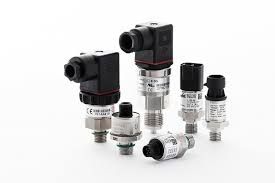
A pressure sensor detects pressure and outputs a raw signal, while a transmitter converts it into a standardized output (like 4–20 mA or digital signals) for control systems.
Q2: How do I select the right pressure transmitter?
Selection depends on pressure range, medium type, temperature, accuracy, environmental conditions, and required output signal.
Q3: Can transmitters measure different pressure types?
Yes. There are absolute, gauge, and differential pressure transmitters for different measurement needs.
Q4: How often should calibration be done?
Typically every 6–12 months, depending on usage and conditions. Smart transmitters may indicate calibration needs automatically.
Q5: Where are pressure transmitters commonly used?
They are used in oil and gas, power plants, chemical industries, pharmaceuticals, food processing, and water treatment systems.
Conclusion
Pressure transmitters are essential components in modern industrial systems, enabling safe, efficient, and precise operations. Their role continues to expand with advancements in automation, digital communication, and smart manufacturing.
With innovations such as AI-based calibration, wireless connectivity, and sustainable design, these devices are becoming more intelligent and reliable. Understanding their applications, standards, and tools helps professionals and learners adapt to evolving industrial technologies and improve overall system performance.