Rack Stacker Guide: Basics, Insights & Key Information
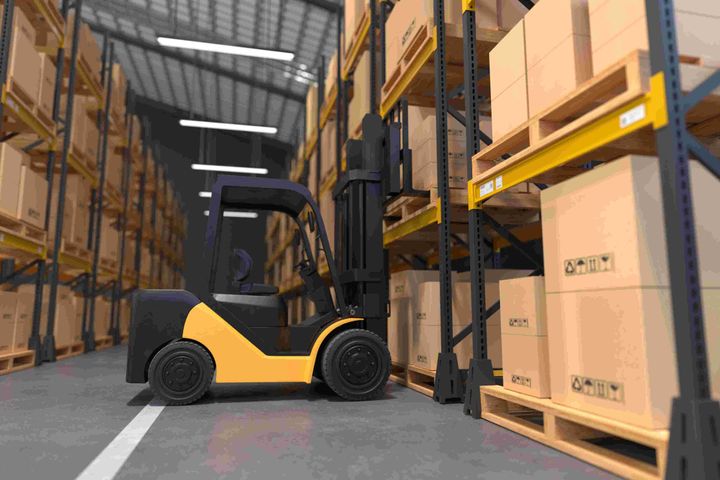
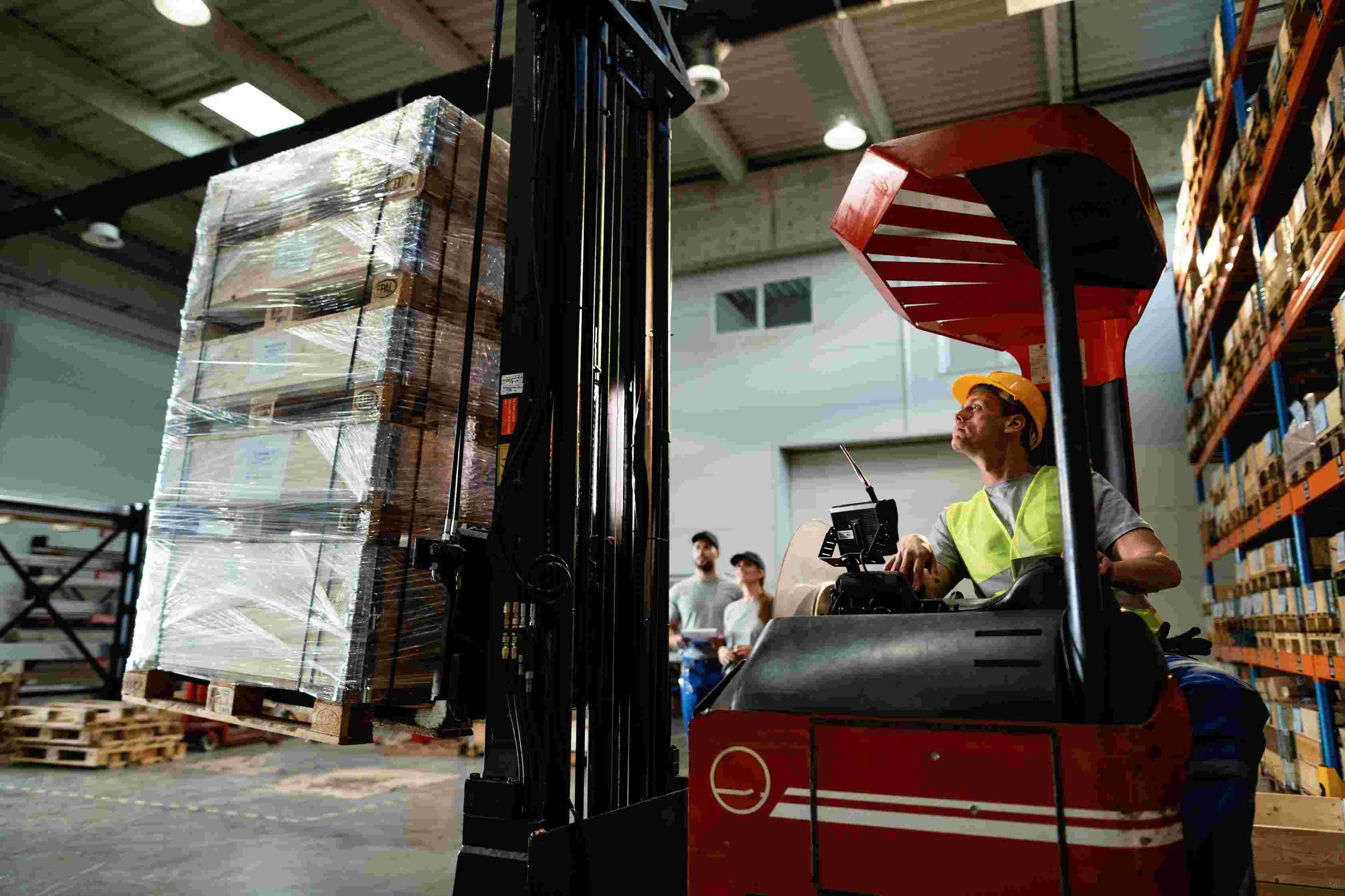
Context A rack stacker is a material-handling machine designed to lift, arrange, and position goods on warehouse racks. It serves as an essential tool in logistics operations where items need to be stored vertically in an organized and safe manner. Rack stackers exist to solve the challenge of moving heavy loads to heights that are not reachable by manual handling.
The idea behind rack stacking began with the growth of structured warehousing, where maximizing vertical space became important. As industries expanded and inventory volumes increased, rack stackers assisted employees in placing goods on pallet racks, shelves, and mezzanines with accuracy. They continue to evolve alongside automation, warehouse optimization technologies, and safety-focused manufacturing standards.
Importance
Rack stackers play a significant role in modern supply chains and storage-heavy environments. Their importance increases as businesses handle larger product volumes, shorter order cycles, and growing expectations for efficient delivery.
Why this matters today
- Rising warehouse density requires tools that can handle vertical storage
- Increasing demand for logistics optimization highlights the value of controlled load movement
- Safety awareness makes mechanical lifting essential for avoiding workplace injuries
Who it affects
- Warehousing and distribution facilities managing palletized goods
- Manufacturing units storing raw materials or finished items
- E-commerce fulfillment centers needing organized inventory flow
- Cold storage units requiring efficient stacking in temperature-sensitive conditions
- Small to mid-sized storage units where space optimization is a priority
Problems it solves
- Reduces manual workload during lifting and placing operations
- Improves storage density when floor space is limited
- Enhances accuracy when stacking fragile or uneven loads
- Supports consistent inventory arrangement across multiple rack levels
- Contributes to safer material handling in busy work environments
Recent Updates
The past year has seen steady advancements in technologies related to rack stacking, especially as warehouses adopt automation and smart-management systems.
Notable updates (2023–2025)
- June 2023: Increased use of sensor-supported lifting mechanisms to enhance stability
- December 2023: Warehouse platforms added equipment monitoring and tracking features
- March 2024: Lightweight yet durable designs became more common
- August 2024: Energy-efficient mechanisms gained adoption
- January 2025: Data-driven simulation tools improved warehouse planning
Industry trends
- Growing focus on ergonomic handling tools
- Integration with smart storage systems
- Increased emphasis on workplace safety analytics
- Higher demand for vertical inventory solutions
Laws or Policies
Rack stackers are influenced by safety regulations, equipment-handling rules, and industrial standards.
General regulatory considerations
- Equipment must meet safety standards for load capacity, design, and stability
- Operators require proper safety training
- Regular inspections and maintenance logs are necessary
- Warehouses must maintain safe aisle clearance and rack limits
- Periodic third-party inspections may be required
These regulations ensure safe operation, controlled loading, and compliance with workplace safety goals.
Tools and Resources
Various tools and resources support better usage and planning of rack stackers.
Helpful digital tools
- Load capacity calculators
- Warehouse layout planners
- Safety checklist templates
- Training modules for material handling
- Inventory slotting software
Useful informational resources
- Occupational safety guidelines
- Industry standards documentation
- Technical equipment manuals
- Warehouse case studies
- Educational articles on storage optimization
Comparison Table: Key Elements
| Element | Description | Relevance |
|---|---|---|
| Load Capacity | Maximum weight handled | Ensures safe stacking |
| Lift Height | Maximum reach level | Supports vertical planning |
| Stability Features | Balance and control mechanisms | Reduces accident risks |
| Maneuverability | Ease of movement | Improves workflow efficiency |
| Ergonomic Design | Operator-friendly structure | Reduces physical strain |
FAQs
1. What is the main purpose of a rack stacker?
It is used to lift and place items on vertical racks safely and efficiently, improving storage and reducing manual effort.
2. Is it suitable for small warehouses?
Yes, many models are designed for narrow aisles and compact storage environments.
3. What factors should be considered before use?
Load weight, rack height, aisle space, floor condition, and operator training are key factors.
4. How often should inspections be done?
Regular checks are recommended, including daily inspections and scheduled maintenance.
5. Do rack stackers improve efficiency?
Yes, they optimize vertical space, reduce handling time, and support organized inventory management.
Conclusion
Rack stackers are an important part of modern warehouse operations, enabling efficient vertical storage and safer material handling.
With advancements in technology, design, and regulatory frameworks, they continue to evolve alongside logistics and supply chain systems. Understanding their function, tools, and safety considerations helps businesses improve storage efficiency and maintain organized workflows.