Importance: Why Secure Mobile Payment Systems Matter Today
Secure mobile payment systems play a crucial role in modern digital finance. Their importance comes from the need for safe, fast, and reliable transaction methods that protect both users and institutions.
They matter today because they:
-
Enhance digital safety
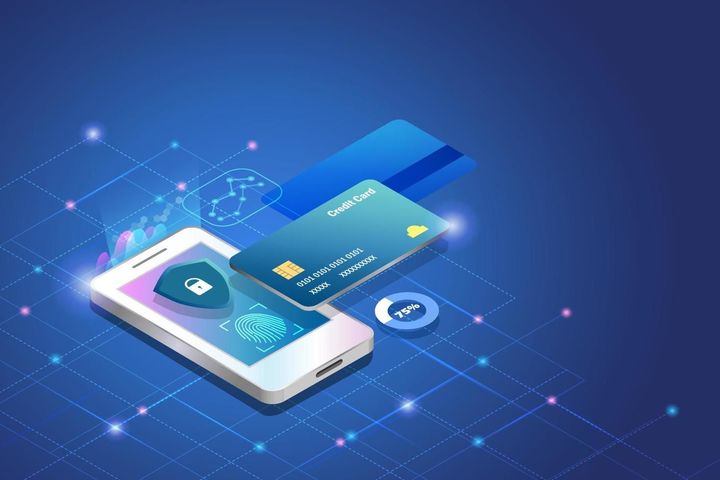
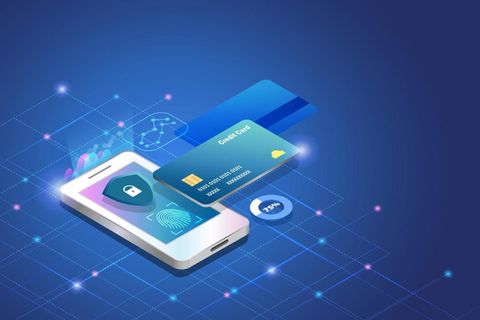
Security elements such as multi-factor authentication, tokenization, and end-to-end encryption help protect user information during financial interactions.
-
Reduce digital fraud risks
Advanced fraud-detection systems identify suspicious behavior and help minimize unauthorized transactions.
-
Strengthen trust in mobile platforms
Strong security practices encourage individuals to rely more confidently on mobile banking, e-commerce, and contactless payments.
-
Encourage financial inclusion
Mobile payment security enables safe access to financial tools for people in regions where traditional banking access may be limited.
-
Support national and global security standards
Secure mobile payments meet expectations set by regulators, financial institutions, and cybersecurity frameworks.
This topic affects mobile users, digital banking customers, financial institutions, payment networks, fintech developers, cybersecurity analysts, and policymakers.
Recent Updates: Trends and Advancements Shaping Secure Mobile Payment Systems
Recent developments show how rapidly mobile payment security continues to evolve. Even without referencing specific years, current trends highlight the industry’s continuous improvement.
Key trends include:
-
Greater use of biometric technologies
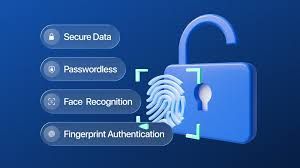
Fingerprint verification, facial recognition, and emerging behavioral biometrics are becoming more common in mobile payment authentication.
-
Growing adoption of tokenization in mobile wallets
Token-based systems provide an extra layer of protection by replacing sensitive data with secure digital tokens.
-
Expansion of AI-powered fraud monitoring
Mobile payment platforms increasingly use AI and machine learning to detect unusual activity in real time, improving overall transaction safety.
-
Stronger emphasis on privacy and data protection
Updates in global data privacy regulations continue to push mobile payment providers toward more transparent and secure data-handling practices.
-
Rise of secure real-time payment ecosystems
As instant payments become more widespread, security frameworks are expanding to support rapid and protected transaction processing.
-
More protection for cross-border mobile transactions
Global digital transfers now include enhanced encryption layers and identity verification to maintain security across borders.
These updates reflect the growing demand for safety, speed, and compliance in mobile financial interactions.
Laws or Policies: Regulatory Factors Influencing Secure Mobile Payments
Secure mobile payment systems are shaped by national and international regulations designed to protect user data and maintain financial integrity.
Common regulatory areas include:
-
Data Privacy Regulations
-
Obtain consent before collecting personal data
-
Store and process information securely
-
Maintain transparency about data use
-
Provide options for data access, correction, and deletion
-
Cybersecurity Frameworks
-
Mandatory encryption protocols
-
Breach notification requirements
-
Secure software-development practices
-
Periodic security audits
-
Financial Compliance Standards
-
PCI DSS for card data protection
-
AML (Anti–Money Laundering) regulations
-
KYC (Know Your Customer) verification norms
-
Authentication and Transaction Security Requirements
-
Strong customer authentication
-
Multi-factor verification
-
Secure transaction logging
-
Digital Payment Governance by Central Banks
-
Transaction safety and encryption
-
Real-time fraud monitoring
-
System reliability
-
Transparent grievance mechanisms
These policies promote safe, transparent, and reliable mobile payment ecosystems.
Tools and Resources: Helpful Platforms for Safe Mobile Transactions
Below are tools and resources that support safe digital payment practices and cybersecurity awareness.
Mobile Security Tools
-
Device security scanners for identifying vulnerabilities
-
Biometric authentication features built into smartphones
-
Password manager tools that help maintain strong credentials
-
Permission reviewers to evaluate app data access
Digital Transaction Security Tools
-
Encryption libraries used by developers for secure communication
-
Tokenization frameworks to protect financial data
-
Fraud analytics tools for monitoring unusual activity
Compliance and Regulation Resources
-
Websites of national financial authorities
-
Cybersecurity advisories issued by government agencies
-
PCI DSS documentation for card-handling security
-
Educational portals explaining AML and KYC guidelines
User Education Resources
-
Tutorials on safe mobile banking practices
-
Guides on digital identity management
-
Security updates published by mobile wallet providers
-
Cyber hygiene awareness platforms
These tools help users stay informed and protected while using mobile payment systems.
Table: Core Technologies Behind Secure Mobile Payment Systems
| Technology | Purpose | Benefit |
|---|
| Encryption | Secures data during transfer | Prevents unauthorized interception |
| Tokenization | Replaces sensitive data with tokens | Minimizes exposure of card details |
| Biometric Authentication | Confirms user identity | Strengthens access protection |
| Multi-Factor Authentication | Requires multiple verification steps | Improves login and transaction safety |
| AI Fraud Detection | Detects anomalies | Enhances fraud prevention accuracy |
FAQs
What makes a mobile payment system secure?
A secure mobile payment system uses encryption, biometric authentication, tokenization, and continuous fraud monitoring. It also complies with regulatory standards and updates its security features regularly.
How does tokenization protect financial data?
Tokenization replaces actual card numbers with temporary digital tokens, making it difficult for attackers to misuse payment information even if intercepted.
Are biometric methods safe for mobile payments?
Biometric features like fingerprints and facial recognition are reliable because they rely on unique physical characteristics. When used with multi-factor authentication, they offer strong protection.
How can users improve their mobile payment security?
Users can improve security by enabling biometric locks, updating apps regularly, avoiding public Wi-Fi for payments, reviewing permissions, and using strong passwords or password managers.
How do regulations support secure mobile payments?
Regulations provide guidelines for data privacy, encryption, identity verification, and fraud reporting. These standards ensure that payment systems follow safe and transparent practices.
Conclusion
Secure mobile payment systems form the backbone of modern digital finance, supporting safe, efficient, and reliable financial interactions.
Through technologies such as mobile wallet security, encryption, tokenization, and biometric safeguards, these systems reduce risks and strengthen user trust. Ongoing advancements in fraud prevention in fintech, AI-driven monitoring, and regulatory frameworks continue to enhance protection and support a safer digital ecosystem.
Understanding these systems helps individuals and organizations make informed decisions and maintain secure financial habits. Secure mobile payment systems will remain essential as digital transactions expand, contributing to a more resilient and trusted financial environment.