Importance: Why Smart Alarm Systems Matter Today
Security concerns affect individuals, families, businesses, and institutions. Smart alarm systems play a role in improving awareness, response time, and control over physical spaces.
Key reasons this topic matters include:
-
Increased need for remote monitoring due to flexible work patterns
-
Growth of connected homes and automated buildings
-
Demand for real-time alerts instead of delayed notifications
-
Reduced dependence on manual checks or physical presence
These systems help address common problems such as unauthorized access, delayed incident detection, and lack of situational visibility. They are relevant to homeowners, renters, facility managers, educational institutions, and small enterprises.
Smart alarm systems also support accessibility by offering visual alerts, mobile notifications, and customizable settings that adapt to different user needs.
Core Components and How Smart Alarm Systems Work
Smart alarm systems operate through coordinated components that detect, process, and communicate events.
Common components include:
-
Motion sensors
-
Door and window sensors
-
Control hubs or panels
-
Network connectivity modules
-
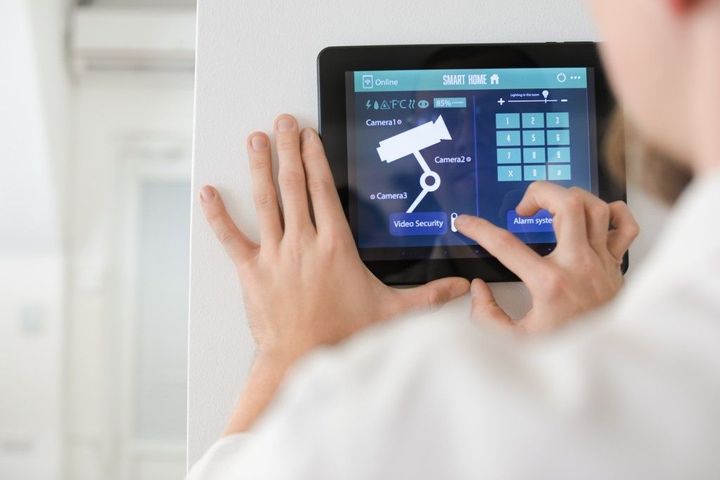
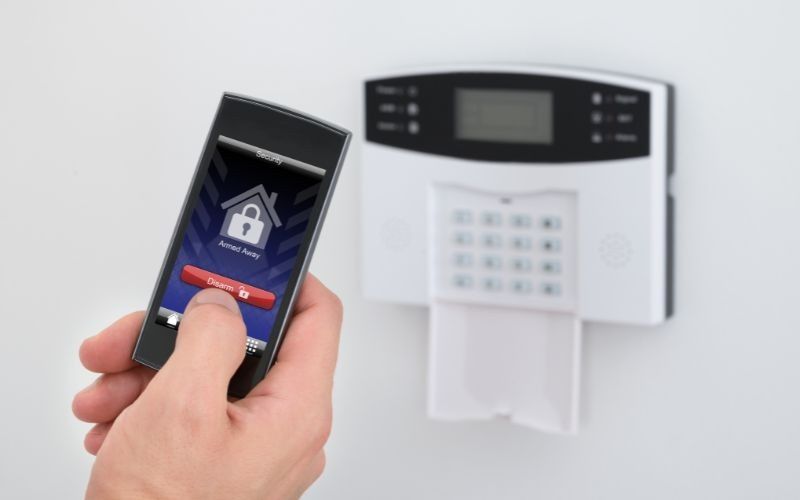
Mobile or web interfaces
Basic working process:
-
Sensors detect movement, vibration, or entry
-
Signals are transmitted to a central system
-
The system analyzes activity using preset rules
-
Alerts are generated and shared with users
Table: Typical Smart Alarm Sensors and Their Functions
| Sensor Type | Primary Function | Common Use Area |
|---|
| Motion Sensor | Detects movement | Rooms, hallways |
| Entry Sensor | Monitors open/close events | Doors, windows |
| Glass Sensor | Identifies vibration or breakage | Windows |
| Environmental Sensor | Detects smoke or leaks | Kitchens, basements |
This layered detection approach improves reliability and reduces false alerts when configured correctly.
Recent Updates and Emerging Trends
Smart alarm systems continue to evolve with advances in connectivity and data processing.
Recent trends observed in this field include:
-
Wider adoption of wireless protocols for easier installation
-
Improved sensor accuracy through data pattern recognition
-
Integration with voice-controlled environments
-
Enhanced mobile dashboards with activity timelines
Another noticeable update is the focus on system interoperability. Many platforms now emphasize compatibility with other smart devices, enabling unified control through a single interface.
There has also been growing attention toward user privacy, leading to clearer permission settings and more transparent data usage controls within alarm system software.
Rules, Regulations, and Policy Considerations
Smart alarm systems are influenced by general safety, data protection, and electronic compliance frameworks. While specific rules vary by region, common regulatory themes apply globally.
These typically include:
-
Requirements for responsible data handling
-
Standards for electronic device safety
-
Guidelines for wireless communication usage
-
Obligations related to alarm signal accuracy
Manufacturers and users are often expected to follow basic compliance practices such as proper installation, regular maintenance, and responsible use of monitoring features. Policy discussions around smart systems increasingly focus on balancing security benefits with data transparency and user consent.
Tools and Resources Related to Smart Alarm Systems
Several digital tools and resources support understanding and managing smart alarm systems.
Helpful tools and resources include:
-
Alarm system configuration apps
-
Sensor placement planning guides
-
Network strength testing tools
-
Device compatibility checklists
-
Smart home automation dashboards
Table: Common Digital Resources and Their Purpose
| Resource Type | Purpose |
|---|
| Mobile Control App | Manage alerts and settings |
| System Dashboard | View activity history |
| Network Analyzer | Check connectivity stability |
| Setup Templates | Guide initial configuration |
Educational resources such as online manuals, technical explainers, and knowledge bases also help users understand system behavior and best practices.
Frequently Asked Questions
What makes an alarm system “smart”?
A smart alarm system uses connectivity and software to send alerts, allow remote access, and adapt to user settings, unlike traditional systems that rely only on local signals.
Do smart alarm systems require internet access?
Many features depend on network connectivity for remote alerts and updates, though some basic functions may operate locally.
Can smart alarm systems reduce false alerts?
When configured properly, features like sensitivity adjustment and activity pattern analysis can help reduce unnecessary alerts.
Are smart alarm systems difficult to manage?
Most systems are designed with user-friendly interfaces and guided setup tools to simplify daily use.
How do updates affect system performance?
Software updates often improve stability, add features, or enhance security controls without changing physical components.
Benefits and Limitations at a Glance
Smart alarm systems offer advantages, but they also come with considerations.
Key benefits include:
-
Real-time awareness
-
Remote access and control
-
Customizable alert rules
-
Integration with other smart systems
Common limitations include:
-
Dependence on connectivity
-
Need for periodic configuration checks
-
Learning curve for advanced features
Simple Comparison Table
| Aspect | Traditional Alarm | Smart Alarm |
|---|
| Alerts | Local only | Remote + local |
| Control | Manual | App-based |
| Integration | Limited | High |
| Customization | Basic | Advanced |
Conclusion
Smart alarm systems represent an evolution in how security is monitored and managed. By combining sensors, connectivity, and software intelligence, they offer a more responsive and adaptable approach to safety.
Understanding how these systems work, why they matter, and what tools support them helps users make informed decisions and use the technology responsibly. As digital environments continue to expand, smart alarm systems remain a relevant and practical topic for anyone interested in modern security awareness.