Importance
Temperature water bottles matter today for several reasons. One of the main reasons is their ability to support consistent hydration by keeping beverages at preferred temperatures throughout the day. Warm water is often chosen for comfort, while cold water is preferred for active routines and hot climates. Maintaining temperature without relying on external heating or cooling helps reduce energy usage and supports eco-friendly habits.
They are relevant across multiple groups:
-
Students and professionals who want beverages to remain stable during long schedules
-
Travelers and commuters who need durable, temperature-retaining options
-
Fitness enthusiasts who rely on cold water during extended workouts
-
Parents who use warm-temperature bottles for children in controlled conditions
-
Outdoor users who prioritize long-lasting insulation in variable environments
The bottles also address common concerns associated with hydration practices:
-
Heat loss or gain leading to discomfort or unsafe drinking temperatures
-
Exposure to environmental contaminants due to using open containers
-
Single-use plastic waste generated from disposable bottles
-
Thermal instability when beverages sit for long periods in warm or cold conditions
With rising awareness of water quality standards, environmental sustainability, and personal safety, temperature water bottles contribute to reliable hydration while supporting long-term environmental responsibility.
Recent Updates
The past year has seen several changes and developments in the design and use of temperature water bottles. Key updates include technological advancements, material improvements, and consumer preference shifts.
Key developments include:
-
Smart temperature bottles (2024–2025)
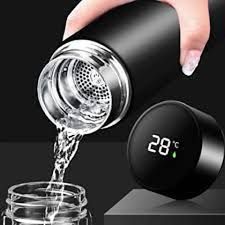
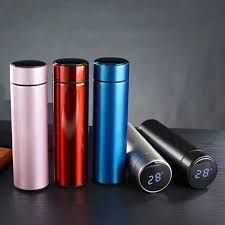
Models now include digital temperature displays, app-based hydration tracking, and thermal sensors for real-time monitoring.
-
Sustainable and eco-friendly designs (2024)
Manufacturers introduced recycled stainless steel, BPA-free materials, and eco-friendly coatings to reduce environmental impact.
-
Enhanced thermal insulation technology (late 2023 to 2024)
Advanced vacuum insulation helps maintain temperature for longer durations with reduced heat transfer.
-
Rise in school and workplace hydration policies (2024)
Institutions increasingly encourage the use of reusable insulated bottles.
-
Public health awareness campaigns (2024–2025)
Health agencies promoted proper hydration and safe temperature consumption, especially in hot climates.
Laws or Policies
Temperature water bottles are influenced by safety, material, and environmental regulations.
Key regulatory areas include:
-
Material Safety Standards
-
Use of food-grade stainless steel
-
BPA-free plastics
-
Heat-resistant coatings
-
Thermal Insulation Compliance
-
Testing for temperature retention performance
-
Safety checks to prevent overheating or pressure issues
-
Environmental Policies
-
Promotion of reusable bottles
-
Reduction of single-use plastics
-
Support for recyclable materials
-
Labeling and Transparency Requirements
-
Clear labeling of materials and insulation capacity
-
Cleaning and usage instructions
-
Child-Safety and School Regulations
-
Leak-proof design requirements
-
Safe temperature limits for hot liquids
These policies ensure that bottles remain safe, durable, and environmentally responsible.
Tools and Resources
Several tools and resources help users optimize the use of temperature water bottles.
Helpful tools include:
-
Hydration tracking apps for monitoring daily water intake
-
Smart bottle displays for real-time temperature monitoring
-
Water quality testing kits for checking pH and impurities
-
Insulation comparison charts for evaluating bottle performance
-
Cleaning guides for maintaining hygiene
-
Environmental impact calculators for measuring waste reduction
These resources support better hydration habits, improved maintenance, and sustainability awareness.
FAQs
1. How long can a temperature water bottle keep liquids hot or cold?
Most insulated bottles maintain temperature for 6 to 24 hours depending on insulation quality and external conditions.
2. What materials are safest?
Food-grade stainless steel, BPA-free plastics, and silicone components are commonly used and considered safe.
3. Can acidic or carbonated drinks be stored?
Some bottles support these liquids, but users should check manufacturer guidelines to avoid material reactions.
4. How should the bottle be cleaned?
Regular cleaning with warm water and mild soap is recommended. Deep cleaning may include baking soda or vinegar solutions.
5. Do these bottles affect water quality?
When made with safe materials and properly maintained, they preserve water quality effectively.
Conclusion
Temperature water bottles have become an essential part of modern hydration practices. They offer convenience, thermal stability, and environmental benefits by reducing reliance on disposable plastic bottles.
With advancements in smart features, improved materials, and sustainability-focused designs, these bottles continue to evolve. Understanding their functionality, safety standards, and maintenance practices helps users make informed decisions and maintain healthy hydration habits.