Top Tips to Choose the Right Polish Metal Fencing for Your Property
Metal fencing has been used for centuries to define property boundaries, improve safety, and add structure to both residential and industrial spaces.
From traditional wrought iron fencing to modern steel metal fencing and galvanized metal fencing, these systems have evolved to meet changing needs in durability, design, and security.
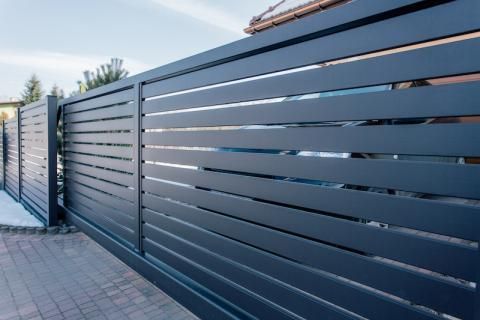
Today, metal fencing manufacturers produce a wide range of fencing types, including decorative metal fencing for aesthetic purposes and industrial metal fencing for high-security environments. These solutions are commonly seen in homes, commercial spaces, factories, and public infrastructure. Options such as metal fence panels and custom metal fencing solutions allow property owners to adapt designs based on size, terrain, and intended use.
Understanding the different materials, styles, and functional features can help individuals choose fencing that aligns with both practical requirements and visual preferences.
Importance
Choosing the right fencing system is important because it directly impacts safety, privacy, and long-term maintenance. Residential metal fencing helps define property lines and can improve security, while commercial metal fencing often focuses on controlled access and durability.
For industrial settings, security metal fencing plays a crucial role in protecting assets, equipment, and personnel. High security perimeter fencing systems and anti climb metal fencing systems are commonly used in factories, warehouses, and restricted zones where unauthorized access must be minimized.
Some key reasons why selecting the right fencing matters include:
- Safety concerns: Prevents unauthorized entry and reduces risks in both residential and industrial spaces.
- Durability needs: Materials like galvanized metal fencing resist corrosion and weather damage.
- Aesthetic value: Decorative metal fencing can complement architectural styles.
- Regulatory compliance: Certain areas require specific fencing heights or designs.
The choice of fencing is not only about appearance but also about how effectively it meets environmental and security challenges.
Recent Updates
In recent years, metal fencing has seen several developments driven by technology and changing property requirements. Modern industrial fencing solutions providers are focusing on stronger materials, modular designs, and smarter security integration.
Some notable trends include:
- Modular metal fence panels: These allow faster installation and easier replacement of damaged sections.
- Improved coatings: Advanced finishes for polish metal fencing and galvanized metal fencing enhance resistance to rust and fading.
- Smart security integration: High security perimeter fencing systems are increasingly combined with sensors, cameras, and alarm systems.
- Sustainable materials: Some manufacturers are adopting recyclable metals and eco-conscious production methods.
- Custom designs: Custom metal fencing solutions now include tailored heights, patterns, and finishes for both residential and commercial applications.
There is also growing interest in anti climb metal fencing systems, especially in industrial and institutional environments where safety concerns are higher.
Laws or Policies
Metal fencing is often subject to local rules and building guidelines. These regulations vary depending on the country, region, and type of property.
In India, fencing guidelines are influenced by municipal building codes and zoning regulations. Key considerations include:
- Height restrictions: Residential metal fencing may have limits on height, especially in front-facing areas.
- Boundary rules: Property lines must be clearly defined, and fencing should not extend into neighboring land.
- Safety standards: Industrial fencing solutions, particularly for factories, may require specific designs for security fencing systems for factories.
- Visibility requirements: Certain areas may require fencing that does not obstruct visibility, such as near roads or intersections.
For commercial metal fencing and industrial metal fencing, additional requirements may apply, including compliance with workplace safety norms and perimeter protection standards.
Understanding these regulations helps ensure that fencing installations align with legal expectations and avoid disputes.
Tools and Resources
Several tools and resources can help individuals plan and evaluate metal fencing options more effectively. These resources are useful for comparing materials, estimating dimensions, and understanding design possibilities.
Common tools include:
- Fence planning calculators: These help estimate the number of metal fence panels required based on property size.
- Material comparison charts: Useful for comparing wrought iron fencing, steel metal fencing, and galvanized metal fencing.
- Design software: Some platforms allow users to visualize decorative metal fencing styles before installation.
- Guidelines from local authorities: Municipal websites often provide fencing rules and property boundary standards.
- Catalogs from metal fencing manufacturers: These provide insights into available designs, finishes, and configurations.
Example Comparison of Metal Fencing Types
| Fencing Type | Key Feature | Common Use Case | Maintenance Level |
|---|---|---|---|
| Wrought Iron Fencing | Traditional design, strong | Residential and decorative use | Moderate |
| Steel Metal Fencing | High strength and durability | Industrial and commercial areas | Low |
| Galvanized Metal Fencing | Corrosion-resistant coating | Outdoor and coastal regions | Low |
| Decorative Metal Fencing | Aesthetic patterns and finishes | Gardens and front yards | Moderate |
| Industrial Metal Fencing | Security-focused design | Factories and warehouses | Low |
These tools and comparisons make it easier to understand how different fencing types perform under various conditions.
FAQs
What is the difference between wrought iron fencing and steel metal fencing?
Wrought iron fencing is known for its classic appearance and decorative patterns, while steel metal fencing is typically stronger and more suited for industrial or high-security applications.
How do metal fencing manufacturers design security metal fencing systems?
Metal fencing manufacturers often combine strong materials with features like anti climb metal fencing systems, reinforced panels, and compatibility with surveillance systems to enhance security.
Is galvanized metal fencing suitable for outdoor use?
Yes, galvanized metal fencing is designed to resist corrosion, making it suitable for outdoor environments, including areas exposed to rain and humidity.
What are custom metal fencing solutions used for?
Custom metal fencing solutions are used when standard designs do not meet specific requirements. These may include unique property shapes, height adjustments, or specialized security needs.
Where are high security perimeter fencing systems commonly used?
High security perimeter fencing systems are typically used in factories, industrial zones, airports, and restricted facilities where controlled access and safety are critical.
Conclusion
Metal fencing plays an important role in defining boundaries, enhancing safety, and supporting property design. With options ranging from decorative metal fencing to industrial metal fencing, different materials and styles serve different purposes. Recent developments have improved durability and introduced advanced security features, making modern fencing more adaptable. Understanding regulations, comparing materials, and using planning tools can help individuals make informed decisions. Overall, selecting the right fencing depends on balancing function, environment, and long-term maintenance considerations.