Importance
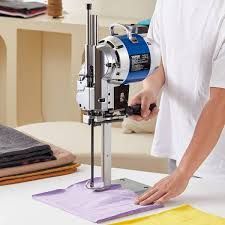
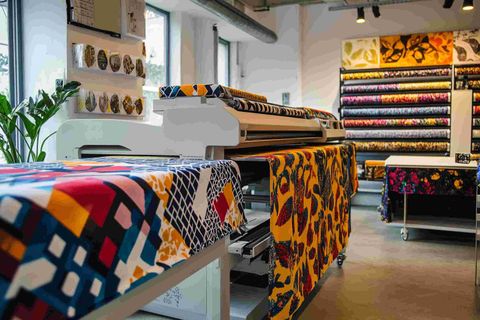
Fabric cutting machines matter because they solve several long-standing challenges in textile and garment production. They are widely used in clothing manufacturing, sportswear units, fashion design studios, furniture production, automotive interiors, mattress making, leather goods, and technical textile fields.
Their importance is linked to multiple benefits:
Key advantages include:
-
Precision and Accuracy
Machines help achieve uniform pattern pieces, reducing variation between batches.
-
Time Efficiency
Cutting becomes faster, enabling manufacturers to meet high-volume production demands.
-
Reduction in Material Waste
Optimal alignment and digital pattern nesting support better fabric utilization.
-
Safety Improvements
Machines reduce direct handling of cutting blades, lowering chances of workplace injury.
-
Support for Complex Designs
Computer-controlled systems help handle intricate patterns that are difficult to cut manually.
These advantages affect not only manufacturers but also designers, product developers, quality control teams, and the overall supply chain. Industries using technical textiles—such as medical fabrics, filtration materials, and industrial insulation—also rely on precise cutting for performance-critical applications.
Recent Updates
The past year brought several notable developments related to fabric cutting machines and the broader textile-processing environment. These updates highlight how technology, sustainability goals, and digital workflows are shaping the field.
Key developments include:
-
Growing Adoption of Digital Pattern Management (2024–2025)
More companies are using integrated design-to-cut workflows, improving traceability and reducing errors.
-
Increased Use of Laser-Based Cutting for Technical Textiles (2024)
Laser cutting is widely used for synthetic materials, offering clean, sealed edges.
-
Rising Interest in Energy-Efficient Textile Machinery (2025)
Manufacturers are focusing on reducing energy consumption while maintaining performance.
-
Expansion of Smart Factory Concepts (2024–2025)
Sensor-enabled systems allow real-time monitoring of cutting performance and predictive maintenance.
-
Training and Workforce Upskilling Initiatives (2024)
Industry programs support operator training in CAD tools and machine safety.
Laws or Policies
Fabric cutting machines are influenced by workplace safety standards, industrial equipment rules, and environmental regulations.
Common regulatory considerations:
-
Workplace Safety Requirements
-
Proper guarding for moving blades
-
Emergency-stop systems
-
Operator training and certification
-
Use of personal protective equipment (PPE)
-
Maintenance and inspection logs
-
Textile Sector Guidelines
-
Promotion of energy-efficient machinery
-
Adoption of digital manufacturing tools
-
Waste reduction and recycling practices
-
Environmental Compliance
-
Emission and fume control (especially for laser cutting)
-
Noise regulation and air filtration standards
These policies ensure safe operation, environmental responsibility, and sustainable industrial growth.
Tools and Resources
Several tools and platforms help professionals understand and optimize fabric cutting processes.
Design and Pattern Tools
-
CAD pattern design software
-
Digital grading tools
-
Virtual fabric simulation systems
Planning and Optimization Tools
-
Pattern nesting software
-
Fabric utilization calculators
-
Layout planning systems
Educational Resources
-
Textile engineering learning platforms
-
Industry reports and research papers
-
Technical safety guides
Machine Support Tools
-
Blade maintenance and sharpening guides
-
Equipment checklists
-
Fabric-type reference charts
-
Workflow management systems
These resources improve efficiency, reduce waste, and support safe machine operation.
Comparison Table: Fabric Cutting Machines
| Machine Type | Key Feature | Suitable Fabrics | Typical Use Scenarios |
|---|
| Straight-Knife Cutter | High cutting height | Woven, knitted fabrics | Garment units, mass cutting |
| Round-Knife Cutter | Smooth curves | Soft, stretch materials | Apparel production |
| Band-Knife Cutter | Continuous blade | Multi-layer fabrics | Bulk shaping and cutting |
| Laser Cutter | Heat-sealed edges | Synthetic fabrics | Sportswear, technical textiles |
| Ultrasonic Cutter | Low-heat cutting | Thermoplastics | Industrial, medical textiles |
| CNC Automated Cutter | Digital precision | Various fabrics | High-precision manufacturing |
FAQs
1. What is the main purpose of a fabric cutting machine?
Its purpose is to cut textiles accurately and consistently while reducing manual errors, improving workflow efficiency, and optimizing material usage.
2. Which fabrics can be processed using these machines?
Different machines can cut woven fabrics, knits, synthetic blends, leather, and technical textiles depending on their design and cutting method.
3. Are digital cutting systems replacing manual methods?
Digital systems are widely used in large-scale and precision production, but manual cutting still remains useful for small batches and sampling.
4. How do laser cutting machines differ from blade systems?
Laser cutting uses heat to cut and seal edges, ideal for synthetic fabrics, while blade systems physically cut materials and are better for natural fibers.
5. What safety practices are important?
Important practices include using guards, keeping hands clear of blades, wearing PPE, maintaining equipment, and following training guidelines.
Conclusion
Fabric cutting machines play a central role in modern textile production by improving precision, speed, and efficiency. They support complex designs, reduce material waste, and enhance safety in manufacturing environments.
Recent trends highlight digital integration, energy efficiency, and smart factory systems, while regulations emphasize safety and environmental responsibility. Understanding these machines, their tools, and their evolving technologies helps professionals and learners engage effectively with the textile industry.