Vacuum Forming Machines Overview: Key Features, Uses, and Benefits Explained
Vacuum forming machines are widely used in modern manufacturing to shape plastic materials into useful products.
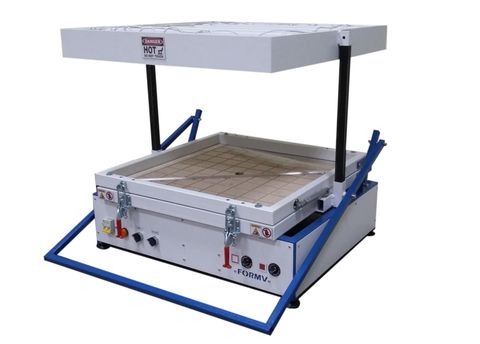
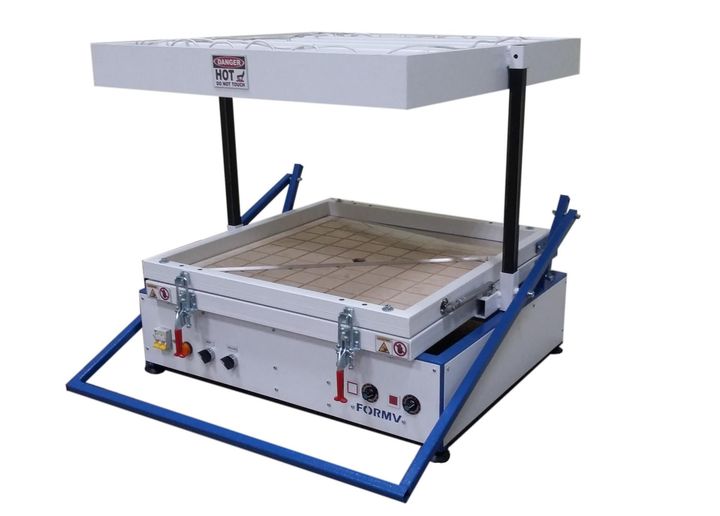
These machines work by heating a plastic sheet until it becomes soft and then forming it over a mold using vacuum pressure. Once the material cools, it retains the shape of the mold, creating items such as packaging trays, containers, and industrial components.
The concept of vacuum forming comes from the broader field of thermoforming, where heat and pressure are applied to mold materials. Thermoforming vacuum machines have evolved over time, becoming more efficient and adaptable for different industries. Today, both small-scale and industrial vacuum forming machine setups are used across sectors such as packaging, automotive, healthcare, and electronics.
Vacuum forming equipment is designed to handle various materials, including PVC, PET, and polystyrene. These machines range from manual systems to automatic vacuum forming machine setups that streamline production. As manufacturing needs have grown, vacuum forming machine manufacturers have developed systems capable of producing consistent and detailed outputs with minimal waste.
Importance
Vacuum forming machines play a significant role in manufacturing because they provide a practical way to produce lightweight and durable plastic products. Industries rely on these machines to create items that are used daily, such as food packaging, medical trays, and protective covers.
One key reason for their importance is efficiency. Compared to other forming techniques, a plastic vacuum forming machine can produce parts quickly and with relatively simple tooling. This makes it suitable for both small production runs and large-scale operations.
Another important aspect is flexibility. Custom vacuum forming machines allow manufacturers to create unique shapes and sizes based on specific requirements. This is especially useful in industries where product design varies frequently.
Vacuum forming machines also address challenges such as material usage and production speed. By forming sheets precisely over molds, these machines help reduce excess material. Additionally, heavy duty vacuum forming machine systems can handle thicker sheets, making them useful for industrial applications that require strength and durability.
Key Features and Working Process
How Vacuum Forming Machines Work
The basic working process of a sheet vacuum forming machine involves several steps:
- Heating the plastic sheet until it becomes pliable
- Placing the softened sheet over a mold
- Applying vacuum pressure to pull the sheet tightly against the mold
- Cooling the material to retain its shape
- Trimming excess material to achieve the final product
This process is relatively straightforward, which contributes to the widespread use of vacuum forming equipment.
Common Features
Modern vacuum forming machines include features that improve accuracy and efficiency:
- Temperature control systems ensure even heating of plastic sheets
- Vacuum pumps create consistent pressure for forming
- Automated controls in automatic vacuum forming machine systems reduce manual intervention
- Adjustable molds allow for different product designs
- Safety mechanisms protect operators during operation
These features make thermoforming machines for industrial use adaptable to various production environments.
Types of Machines
Different types of vacuum forming machines are available based on application needs:
| Machine Type | Description | Typical Use |
|---|---|---|
| Manual machines | Require operator control for most steps | Small workshops, prototyping |
| Semi-automatic machines | Combine manual and automated functions | Medium-scale production |
| Automatic machines | Fully automated processes with minimal human input | High-volume industrial production |
| Heavy duty machines | Designed for thick materials and large parts | Automotive, industrial components |
| Custom machines | Built for specific shapes or processes | Specialized manufacturing |
Uses
Vacuum forming machines are used across multiple industries due to their versatility. The ability to create detailed shapes from plastic sheets makes them suitable for a wide range of applications.
Packaging Industry
Vacuum forming machines for plastic packaging are widely used to create trays, clamshells, and containers. These products help protect items during storage and transportation while maintaining visibility.
Automotive Sector
Industrial plastic forming machine solutions are used to produce interior panels, dashboards, and protective covers. These components are lightweight and help improve fuel efficiency in vehicles.
Medical Applications
In healthcare, vacuum forming equipment is used to create medical trays, device housings, and protective packaging. The precision of thermoforming vacuum machines ensures consistency in these products.
Electronics and Consumer Goods
Vacuum forming machines are also used to produce casings, packaging inserts, and display components for electronic products. Custom vacuum forming machines allow manufacturers to design parts that fit specific devices.
Industrial Applications
Heavy duty vacuum forming machine systems are used for larger components such as equipment housings and storage containers. These machines can handle thicker materials and produce durable products.
Benefits
Vacuum forming machines provide several advantages that make them widely used in manufacturing.
Efficiency and Speed
A plastic vacuum forming machine can produce parts quickly, especially when compared to more complex molding methods. This helps manufacturers maintain steady production levels.
Design Flexibility
Custom vacuum forming machines allow for a wide range of shapes and sizes. Manufacturers can easily adjust molds to create different products without significant changes to the machine.
Material Optimization
The process uses plastic sheets efficiently, reducing waste. Excess material can often be recycled, making vacuum forming equipment a practical choice for many applications.
Scalability
From small workshops to large factories, vacuum forming machine suppliers provide systems that suit different production scales. Automatic vacuum forming machine setups are particularly useful for high-volume manufacturing.
Consistency
Thermoforming machines for industrial use produce consistent results, ensuring that each product meets required specifications.
Recent Updates
Vacuum forming technology has seen gradual improvements in recent years. One noticeable trend is the integration of automation. Automatic vacuum forming machine systems now include programmable controls and sensors that improve accuracy and reduce manual effort.
Another development is the use of advanced materials. Manufacturers are experimenting with biodegradable and recyclable plastics, especially in packaging applications. This aligns with growing environmental awareness and regulatory expectations.
Digital design tools have also influenced vacuum forming processes. Computer-aided design (CAD) software allows precise mold creation, improving product quality. Additionally, some vacuum forming machine manufacturers are incorporating data monitoring systems that track performance and detect issues early.
Energy efficiency has become another focus area. Modern vacuum forming equipment is designed to use energy more effectively, reducing operational impact while maintaining productivity.
Laws or Policies
Vacuum forming machines and their outputs are influenced by various regulations, especially in countries like India. These regulations focus on safety, environmental impact, and product quality.
Safety Standards
Industrial machines, including vacuum forming machines, must comply with safety guidelines set by authorities such as the Bureau of Indian Standards (BIS). These guidelines ensure that machines are safe for operators and meet technical requirements.
Environmental Regulations
Plastic usage is regulated to address environmental concerns. Policies related to plastic waste management encourage recycling and the use of eco-friendly materials. Vacuum forming machines for plastic packaging must align with these rules.
Workplace Regulations
Factories using industrial vacuum forming machine systems must follow labor and safety laws. These include proper ventilation, machine guarding, and operator training to reduce risks.
Product Compliance
Products created using vacuum forming equipment, especially in packaging and healthcare, must meet quality and safety standards. This ensures that items are suitable for their intended use.
Tools and Resources
Several tools and resources support the use and understanding of vacuum forming machines.
Design Software
Computer-aided design tools such as CAD software help in creating molds and product designs. These tools allow manufacturers to visualize and adjust designs before production.
Simulation Tools
Simulation platforms enable users to test forming processes digitally. This helps identify potential issues and improve efficiency.
Industry Platforms
Websites and industry directories provide information about vacuum forming machine manufacturers and vacuum forming machine suppliers. These platforms help users compare machine types and specifications.
Training Materials
Educational resources, including manuals and online courses, help operators understand how to use vacuum forming equipment effectively and safely.
FAQs
What are vacuum forming machines used for?
Vacuum forming machines are used to shape plastic sheets into products such as packaging, trays, and industrial components. They are commonly used in packaging, automotive, and healthcare industries.
How does an industrial vacuum forming machine differ from smaller systems?
An industrial vacuum forming machine is designed for high-volume production and can handle thicker materials. Smaller systems are typically used for prototyping or limited production.
What materials can be used in a plastic vacuum forming machine?
Common materials include PVC, PET, polystyrene, and ABS. The choice depends on the application and required product properties.
Are automatic vacuum forming machine systems better for large production?
Automatic vacuum forming machine systems are suitable for large-scale production because they reduce manual work and improve consistency.
How do vacuum forming machines for plastic packaging support manufacturing?
Vacuum forming machines for plastic packaging help create protective and lightweight packaging solutions. They allow manufacturers to produce customized packaging efficiently.
Conclusion
Vacuum forming machines are an important part of modern manufacturing, providing a practical way to shape plastic materials into useful products. Their ability to handle different materials and production scales makes them widely applicable across industries. Advances in automation, materials, and design tools continue to improve their performance and efficiency. Understanding how these machines work and where they are used helps explain their role in everyday products and industrial processes.