Gear Manufacturing: A Complete Guide, Tips, and Insights for Beginners
Gears are the toothed wheels that mesh together to transmit torque, speed, and motion in machines — from simple bicycles to complex automobile transmissions and industrial equipment. Gear manufacturing refers to the collection of processes used to design, cut, finish, and quality‑check these gear components, so they meet required shape, strength, and precision.
Historically, gears were handcrafted and manually cut, but with increasing demands for high reliability, mass production, and tight tolerances, industrial gear manufacturing evolved. Today, gear making supports sectors like automotive, aerospace, heavy machinery, renewable energy (e.g., wind turbines), robotics, and more, underpinning much of modern mechanical infrastructure.
Why Gear Manufacturing Matters Today
Modern economies depend heavily on mechanically driven systems — transmissions, heavy equipment, conveyors, wind turbines, robotics, and more. Gears are at the heart of many such systems. High-quality gear manufacturing:
-
Enables efficient, smooth, and precise power transmission. Poorly made gears lead to noise, wear, failure — costly downtime and safety hazards.
-
Supports industrial growth: automotive, aerospace, industrial machinery, renewable-energy sectors all need reliable, standardized gears.
-
Drives technological progress: as machines become more compact, efficient, or high-speed (e.g., electric vehicles), gears need to be smaller, stronger, and more accurate.
-
Facilitates globalization and trade: standardized gear manufacturing allows interoperability across components supplied globally.
For newcomers and small-scale workshops, understanding gear manufacturing helps produce parts that meet global standards and compete in both domestic and export markets.
Recent Trends and Innovations in Gear Manufacturing (2024–2025)
The gear manufacturing industry has seen a number of shifts over the past year — driven by demand for higher precision, automation, and sustainability. Key developments include:
CNC, Automation, and Smart Machinery
-
The integration of multi-axis CNC controls, robotics for material handling, and automated tool changes has revolutionized gear cutting and finishing. This enables continuous — even 24/7 — operation with minimal human intervention, reducing error rates and boosting consistency.
-
Smart, IoT‑enabled gear machines now offer real-time monitoring, predictive maintenance alerts, and data-driven optimization, aligning gear shops with the broader wave of “smart manufacturing” / Industry 4.0.
High-Speed Hobbing & Sustainable Machining Techniques
-
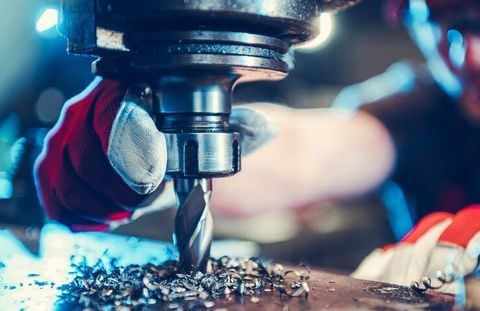
High-speed gear‑hobbing machines are becoming more common, using advanced carbide or coated tooling, allowing faster cycle times without compromising gear quality.
-
There is a growing move towards dry cutting or Minimum Quantity Lubrication (MQL) methods, reducing reliance on coolant fluids. This reduces environmental impact and lowers waste, aligning with sustainability goals.
Advanced Materials, Coatings, and Hybrid Processes
-
Cutting tools with wear‑resistant coatings (e.g., TiAlN, DLC) and advanced materials allow cutting of hardened alloys and superalloys, expanding the range of gear materials (useful for aerospace, energy, or heavy-industrial sectors).
-
Hybrid machining cells that combine multiple operations (such as hobbing, chamfering, grinding) in a single setup are rising. This reduces re-fixturing, shortens production time, and improves dimensional accuracy.
Growth in Market Demand — Especially for Automotive & EVs
The global gear-cutting machinery market continues to grow, largely driven by industries like automotive (especially electric and hybrid vehicles), renewable energy (wind turbines), industrial machinery, and aerospace — all demanding high-precision gears.
Here is a simple table summarizing how different gear-making processes currently compare in industrial usage:
| Process / Machine Type | Typical Application / Advantages | Approximate Share in New Installations* |
|---|---|---|
| Hobbing | Spur, helical, bevel gears — high volume & standard geometries | ~ 46% |
| Shaping | Internal gears, focused small‑batch gears | ~ 21% |
| Grinding / Finishing | High-precision, hardened gears, quiet running applications (e.g. EVs, turbines) | ~ 18% |
| Hybrid/Multi‑function Cells | Complex geometries, minimal re‑fixturing, efficient workflows | Growing share |
*Estimated values for new gear‑machine installations globally (2024–2025).
Regulatory Environment and Policies — With an Indian Focus
For anyone working in gear manufacturing — especially in India — understanding applicable regulations and standards is essential.
Standards, Certification, and Quality Compliance
-
The Bureau of Indian Standards (BIS) enforces certification for various industrial products. Recently, many types of machinery, machine tools, and equipment — including gear manufacturing machines and related transmission elements — have been brought under mandatory compliance frameworks such as “Scheme X.”
-
Manufacturers or importers of specified machinery must obtain certification or risk prohibition of sale/import. This underscores the importance of conforming to prescribed standards for safety, quality, and traceability.
Worker Safety and Operational Regulations
-
General labour and workplace safety laws apply. In India, manufacturing facilities must comply with occupational safety, environmental and health regulations. The Occupational Safety, Health and Working Conditions Code, 2020 ensures safe working conditions, adequate training, protective gear, and safe handling of heavy machinery.
-
Environmental norms and waste management regulations may also apply — especially where coolant fluids, metal chips, or lubricants are used. The shift toward dry/MQL machining aligns in part with regulatory encouragement for cleaner, greener manufacturing.
For anyone setting up or operating a gear manufacturing operation in India, it is advisable to track the latest BIS notifications, obtain any required certifications, and ensure workplace safety compliance.
Useful Tools and Resources for Gear Manufacturing
Whether you're a small workshop owner or an engineering student, certain tools and resources can make gear manufacturing, design, and quality control easier:
-
Modern CNC gear‑cutting and hobbing machines — many now support multi-axis controls, automation, and even hybrid operations combining cutting and finishing.
-
CAD / CAM software & gear‑design modules — often used to design gear geometry (involute, helical, bevel etc.), simulate meshing, and generate machining tool paths.
-
Gear design calculators and macros — useful for initial calculations: module, pitch diameter, pressure angle, number of teeth, gear ratio, center distance, backlash, etc.
-
Quality control tools and inspection devices — coordinate measuring machines (CMMs), laser or optical measurement systems, gear-profile inspection benches, vibration or NVH testing rigs.
-
Industry publications and market‑analysis reports — helpful for understanding demand trends, machine-tool market size, material demand shifts, and technological changes.
-
Standards documentation and regulatory portals — for those in India: BIS standards, certification schemes, updates to safety/environmental rules, technical briefings.
Frequently Asked Questions (FAQs)
What are the common processes used in gear manufacturing?
Common processes include hobbing, shaping, skiving, milling, grinding/finishing, and shaving. For high-volume standard gears like spur or helical types, hobbing is most common. For internal gears or complex profiles, shaping or skiving may be preferred. For hardened or high-precision gears, grinding and finishing are often used.
Why is CNC gear manufacturing preferred over manual cutting?
CNC gear machines provide greater precision, repeatability, and consistency. They reduce human error, shorten setup times, allow complex gear geometries, support automation, and offer predictive maintenance and process control. This ensures better quality across large production runs and supports modern needs like automotive, aerospace, and EV gears.
Is compliance with standards mandatory in India for gear manufacturing machines or gears?
Yes — under recent regulations, many machine tools, mechanical equipment, and related parts (including gears and transmission elements) require certification under BIS Scheme X, especially if manufactured or imported into India. Operating without certification may be prohibited.
What are the environmental or sustainability considerations in gear manufacturing?
Traditional gear manufacturing often used coolant-based lubrication, generating waste fluids requiring disposal. The shift toward dry cutting or MQL (minimum‑quantity lubrication) helps reduce coolant waste, lower environmental impact, and improve sustainability. Newer machines are more energy-efficient, and better tooling reduces scrap and material waste.
For a small workshop or beginner, what is a good approach to start gear manufacturing?
Begin with simpler gear types (spur, helical), use CAD software or design calculators to define gear geometry, and employ relatively basic but precise gear-shaping or hobbing machines. Ensure you understand process parameters, gear-material properties (steel grade, heat treatment, hardness), and inspection methods. As demand or complexity grows, consider upgrading to CNC or automated machines, and pay attention to standards compliance and safety regulations.
Conclusion
Gear manufacturing — though technically demanding — is a foundational component of modern mechanical infrastructure, powering everything from vehicles to industrial machines and renewable-energy systems. For beginners, understanding the core processes (hobbing, shaping, grinding), the shift toward CNC and smart machinery, and the importance of compliance and quality standards is critical.
The recent surge in automation, Industry 4.0 integration, smarter tooling, and sustainable machining practices signals a future where gear production is more efficient, precise, and environmentally responsible. In India and worldwide, adherence to safety and quality standards is becoming stricter, so any workshop or manufacturer must stay informed about regulatory requirements.
By combining sound design practices (with CAD and gear calculators), modern machining processes, effective quality control, and a commitment to compliance and sustainability, even a newcomer can build a reliable foundation in gear manufacturing — and contribute to industrial progress and innovation.