Non-Surgical Body Contouring Basics: How These Treatments Work and Who They’re For
Non-surgical body contouring refers to a group of medical and aesthetic technologies designed to reshape specific areas of the body without traditional surgical procedures.
These methods typically target localized fat deposits, skin laxity, or minor body shape concerns using advanced medical devices and scientifically developed techniques.
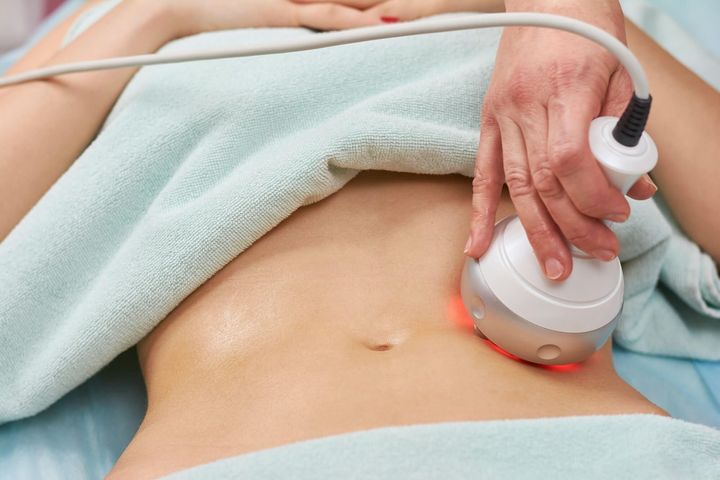
Unlike traditional surgical procedures that involve incisions or anesthesia, non-invasive and minimally invasive body contouring techniques focus on using controlled energy, cooling systems, or other specialized technologies to influence fat cells beneath the skin. Over time, the body processes these affected cells naturally.
These techniques have become increasingly discussed within fields such as dermatology, cosmetic medicine, and aesthetic technology. Research and clinical practice have explored multiple approaches that aim to support gradual body sculpting while maintaining routine daily activities.
Common technologies used in modern body contouring research include:
-
Controlled cooling technologies designed to affect fat cells
-
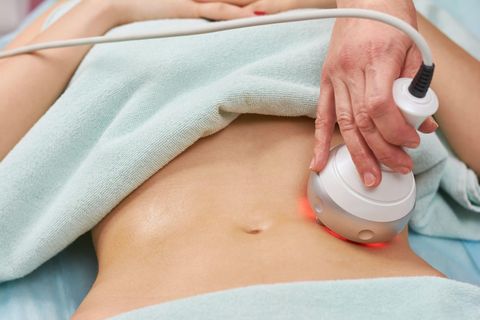
Radiofrequency-based thermal systems that generate heat within tissue layers
-
Ultrasound energy used to target fat deposits
-
Laser-assisted fat reduction technologies
-
Electromagnetic muscle stimulation technologies
These technologies are generally applied to areas where localized fat tends to accumulate. Commonly discussed target areas include:
-
Abdomen
-
Flanks (side waist areas)
-
Thighs
-
Upper arms
-
Back region
-
Under the chin
Although body contouring technologies continue to evolve, their primary purpose is to assist with body shaping rather than overall weight reduction. Many educational resources within aesthetic medicine emphasize that these techniques are usually considered when individuals seek localized body refinement rather than broad weight-loss strategies.
The growing interest in this topic is connected to broader developments in cosmetic dermatology, medical technology innovation, and consumer awareness about non-invasive health and aesthetic options.
Why Non-Surgical Body Contouring Matters Today
In recent years, body contouring technologies have gained attention due to changes in lifestyle, health awareness, and advancements in medical equipment. Many people explore information about body sculpting as part of a broader interest in wellness, appearance, and medical aesthetics.
Several factors contribute to the increasing relevance of this topic.
Lifestyle patterns and sedentary routines
Modern work environments often involve long periods of sitting, reduced physical activity, and irregular routines. These patterns can contribute to localized fat accumulation in certain areas of the body.
Interest in non-invasive medical technologies
Across many healthcare fields, there has been a growing preference for treatments that minimize recovery time and procedural complexity. Non-invasive technologies reflect this broader shift toward less disruptive medical procedures.
Advancements in medical device innovation
The development of specialized devices capable of delivering precise energy or cooling has expanded research in cosmetic dermatology and aesthetic medicine.
Awareness of body composition science
Educational resources discussing body composition, fat metabolism, and muscle stimulation have become widely available through medical publications, academic research, and healthcare platforms.
The following table highlights some general characteristics often discussed when comparing surgical and non-surgical body contouring approaches.
| Aspect | Non-Surgical Body Contouring | Traditional Surgical Procedures |
|---|---|---|
| Invasiveness | Non-invasive or minimally invasive | Surgical |
| Incisions | Typically none | Required |
| Recovery Period | Usually minimal | Often longer |
| Treatment Focus | Localized body shaping | Larger fat removal |
| Technology Used | Energy-based or cooling systems | Surgical instruments |
This comparison helps explain why many individuals research non-surgical alternatives when exploring body sculpting options.
Recent Developments and Trends in Body Contouring Technology
During the past year, several developments in aesthetic medicine and body contouring research have been reported in medical journals and industry conferences.
Expansion of combination technologies
In 2024 and early 2025, research publications discussed the use of combination technologies that integrate multiple energy sources in a single device. For example:
-
Radiofrequency combined with ultrasound
-
Muscle stimulation combined with fat reduction technologies
These hybrid systems aim to address multiple tissue layers simultaneously.
AI-assisted treatment planning
Some medical device manufacturers have begun integrating artificial intelligence into imaging and treatment planning systems. These tools help clinicians analyze body composition patterns and design personalized treatment strategies.
Growth of muscle stimulation technologies
Electromagnetic muscle stimulation systems have gained attention in recent clinical studies published in late 2024. These technologies focus on stimulating muscle contractions that may support muscle strengthening and body toning.
Expanded research in skin tightening technologies
Dermatology research in 2025 has explored advanced radiofrequency microneedling systems that may support both skin tightening and localized contouring.
The chart below illustrates common energy technologies used in modern body contouring research.
| Technology Type | Primary Mechanism |
|---|---|
| Cryolipolysis | Controlled fat cell cooling |
| Radiofrequency | Heat energy affecting tissue layers |
| Ultrasound Cavitation | Acoustic energy targeting fat deposits |
| Laser Lipolysis | Laser energy influencing fat cells |
| Electromagnetic Stimulation | Muscle contraction stimulation |
These developments highlight the ongoing evolution of medical aesthetic technology.
Regulations, Safety Standards, and Medical Policies
Body contouring technologies are regulated in many countries through medical device oversight programs designed to ensure safety, quality, and accurate medical information.
In the United States, aesthetic medical devices must comply with standards established by the Food and Drug Administration (FDA). Devices used for fat reduction or body contouring are evaluated under medical device regulatory frameworks that assess safety and effectiveness.
In Europe, body contouring devices fall under the Medical Device Regulation (MDR) framework implemented in 2021. This regulatory system evaluates device classification, clinical evidence, and manufacturing quality standards.
In India, aesthetic medical technologies are subject to oversight through regulatory frameworks connected to the Central Drugs Standard Control Organization (CDSCO). Medical devices used in dermatology clinics or hospitals may require compliance with national medical device guidelines.
Several key safety principles are commonly emphasized by regulatory agencies and professional dermatology organizations:
-
Devices must undergo clinical evaluation
-
Practitioners should receive proper training
-
Equipment must follow safety calibration standards
-
Patients should receive appropriate medical evaluation
Regulatory oversight helps ensure that body contouring technologies are used responsibly and supported by scientific evidence.
Tools and Resources for Learning About Body Contouring
Individuals interested in understanding body contouring technologies often rely on educational resources, medical research platforms, and digital tools that explain how these systems work.
Some useful categories of resources include:
Medical research platforms
-
PubMed medical research database
-
ClinicalTrials.gov clinical study registry
-
Dermatology and aesthetic medicine journals
Body composition analysis tools
-
Digital body fat percentage calculators
-
BMI and body composition assessment tools
-
Health tracking applications
Educational websites
-
Medical dermatology associations
-
aesthetic medicine research organizations
-
health education portals discussing cosmetic dermatology
Visualization and simulation software
Some aesthetic clinics and research institutions use imaging systems that generate visual simulations of body composition changes. These tools help explain treatment planning concepts during educational consultations.
Health and wellness tracking apps
Apps that track body composition, nutrition habits, and physical activity can help individuals understand how lifestyle patterns interact with body contouring approaches.
Examples of commonly used tracking categories include:
-
Body composition monitoring
-
Fitness tracking
-
nutrition planning
-
wellness habit tracking
These resources contribute to broader understanding of body contouring within a health and wellness context.
Frequently Asked Questions About Non-Surgical Body Contouring
What is the main goal of non-surgical body contouring?
The primary goal is to influence localized body shape by targeting specific fat deposits or muscle groups using specialized technologies. These techniques focus on body sculpting rather than overall weight reduction.
How do fat cells respond to body contouring technologies?
Certain technologies use controlled cooling, heat, or acoustic energy to influence fat cells. After treatment, the body gradually processes these cells through natural metabolic processes.
Which areas of the body are commonly targeted?
Common areas include the abdomen, thighs, upper arms, flanks, back region, and under the chin. These locations often contain localized fat deposits that are resistant to diet and exercise.
Is non-surgical body contouring related to weight loss programs?
Body contouring is generally considered a body shaping approach rather than a weight loss method. It focuses on localized areas rather than overall body weight changes.
Are these technologies studied in medical research?
Yes. Many body contouring technologies are studied through clinical trials, dermatology research, and medical device evaluations to assess safety and effectiveness.
Conclusion
Non-surgical body contouring represents an evolving area within aesthetic medicine and medical technology. Through innovations such as cryolipolysis, ultrasound systems, radiofrequency energy, and electromagnetic muscle stimulation, modern research continues to explore new approaches to localized body shaping.
The growing interest in non-invasive medical technologies reflects broader healthcare trends that emphasize minimal disruption, technological precision, and evidence-based practice. At the same time, regulatory agencies around the world maintain safety standards to ensure that medical devices used for body contouring follow established guidelines.
Educational resources, digital tools, and medical research platforms provide individuals with reliable information about how these technologies work and how they are studied in clinical settings.