Micro Excavators Guide: Basics, Uses, Tips & Key Insights
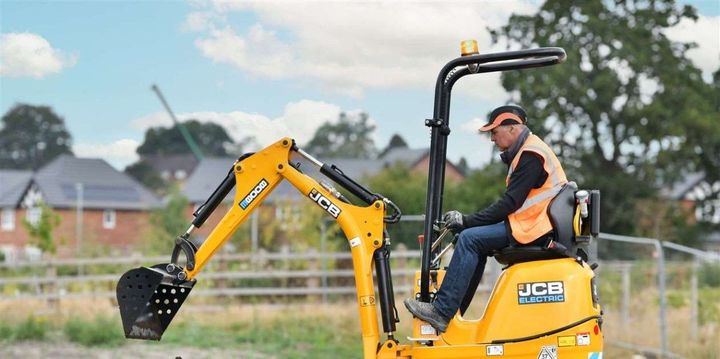
Micro excavators are compact construction machines designed for digging, trenching, lifting, and grading tasks in tight or restricted spaces. They are smaller than standard excavators and even more compact than many mini excavators, making them suitable for residential, urban, and indoor construction environments.
These machines typically weigh under one metric ton to around two metric tons, depending on the model. Their lightweight design allows them to pass through narrow gates, operate in confined areas, and reduce ground pressure on delicate surfaces.
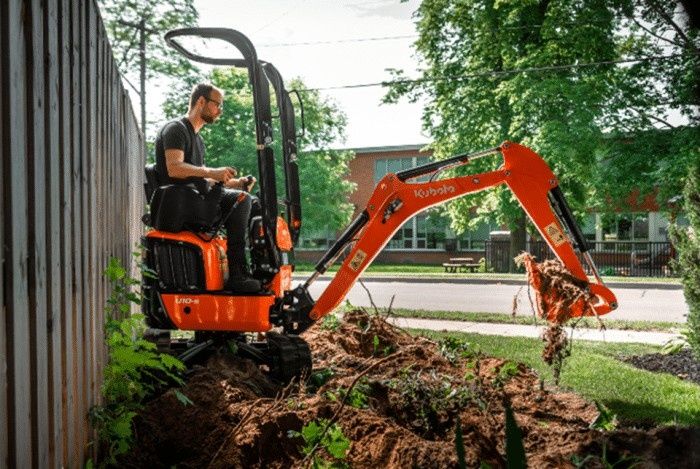
Micro excavators exist because modern construction and infrastructure projects increasingly take place in limited spaces. Urban expansion, home renovation projects, underground utility installations, and landscaping work often require precise excavation without damaging surrounding structures. Compact construction equipment addresses this need by offering mobility, efficiency, and control in small work zones.
Most micro excavators include:
-
A hydraulic boom and arm
-
A bucket attachment
-
Rubber tracks for stability
-
A compact operator platform
-
A small but powerful diesel or electric engine
Their design prioritizes maneuverability, fuel efficiency, and reduced site disruption while maintaining functional digging performance.
Why Micro Excavators Matter Today
Micro excavators are increasingly important in modern infrastructure development, particularly in high-density urban areas. As cities grow and redevelopment projects increase, construction sites become smaller and more complex.
They affect multiple sectors:
- Residential construction
- Landscaping and garden development
- Utility installation (water, electrical, fiber optics)
- Interior demolition
- Agricultural and farm maintenance
One major advantage is their ability to reduce manual labor for digging and trenching tasks. Instead of relying on handheld tools, operators can complete excavation work more efficiently while maintaining precision.
They also help address common challenges:
- Limited access pathways
- Indoor or basement excavation
- Reduced noise and vibration requirements
- Soil protection in sensitive landscaping
Because of their compact footprint, micro excavators minimize surface damage and reduce restoration work after excavation. This is particularly useful in residential neighborhoods and landscaped areas.
The demand for compact construction equipment is closely linked to broader trends such as sustainable building practices, infrastructure upgrades, and smart utility installation projects.
Recent Industry Updates and Trends
The compact machinery sector has experienced several notable developments over the past year.
One significant trend is the increased introduction of electric micro excavators. These models aim to reduce emissions, support environmental compliance, and meet stricter construction site regulations. Electric variants are especially suitable for indoor work or areas with air quality restrictions.
Another recent development is improved hydraulic system efficiency. Manufacturers have enhanced hydraulic pump technology to provide smoother control and lower energy consumption. This improves both precision and operational reliability.
Digital integration is also expanding. Many modern micro excavators now feature:
- Telematics tracking systems
- Real-time equipment monitoring
- Maintenance alerts
- Remote diagnostics
These technologies support better fleet management and compliance with heavy equipment safety standards.
The table below outlines key emerging trends:
| Trend | Impact on Industry | Practical Benefit |
|---|---|---|
| Electric power systems | Reduced emissions and noise | Suitable for indoor and urban use |
| Advanced hydraulics | Improved control and efficiency | Greater precision in small spaces |
| Telematics integration | Data-driven equipment monitoring | Predictive maintenance planning |
| Compact ergonomic designs | Enhanced operator comfort | Reduced fatigue during long operations |
Regulations and Construction Site Compliance
Micro excavators are subject to national and regional construction equipment regulations. While specific rules vary by location, several common standards apply globally.
Heavy equipment safety standards typically address:
- Operator certification requirements
- Machine inspection protocols
- Emission compliance
- Noise level restrictions
- Workplace hazard prevention
Construction site regulations often require:
- Pre-operation inspection checklists
- Proper personal protective equipment (PPE)
- Secure transportation of machinery
- Safe trenching practices
In many regions, emission standards are becoming stricter, encouraging the use of low-emission diesel engines or electric alternatives. Environmental regulations may also govern soil disturbance and dust control during excavation work.
Government infrastructure programs and urban redevelopment initiatives sometimes promote the use of compact construction equipment to reduce environmental impact in residential and city-center projects.
Understanding applicable regulations helps ensure:
- Worker safety
- Environmental compliance
- Reduced liability risks
- Consistent operational standards
Operators and project managers should regularly review updated guidelines from national labor safety authorities and environmental agencies.
Practical Tools and Resources
Professionals and contractors can benefit from various digital tools and technical resources related to micro excavators.
Commonly used tools include:
- Equipment maintenance log templates
- Hydraulic performance calculators
- Fuel consumption tracking apps
- Digital operator manuals
- Construction site safety checklist templates
Telematics dashboards allow monitoring of:
- Engine performance
- Idle time tracking
- Service intervals
- Machine usage data
Some construction management platforms integrate equipment data with project scheduling tools. This improves coordination between excavation tasks and overall site planning.
For regulatory compliance, official occupational safety agency websites provide downloadable guidelines and training materials. Equipment manufacturers also publish technical specifications and operating manuals that support safe and efficient machine use.
Using structured maintenance schedules and inspection forms can significantly extend equipment lifespan and reduce unexpected downtime.
Operational Tips for Efficient Use
Using micro excavators effectively requires proper technique and planning.
Important operational tips include:
- Always inspect hydraulic lines before operation
- Stabilize tracks on even ground whenever possible
- Use appropriate bucket sizes for soil type
- Avoid overreaching beyond machine balance limits
- Monitor engine temperature during extended operation
Proper planning improves efficiency:
- Identify underground utilities before trenching
- Measure space constraints accurately
- Select attachments based on task requirements
Regular lubrication and filter replacement are essential for maintaining hydraulic system efficiency. Operators should also follow recommended warm-up procedures before heavy digging.
Training remains one of the most critical factors in safe and productive equipment use. Even compact machinery requires skilled handling to prevent accidents and equipment damage.
Frequently Asked Questions
What is the difference between a micro excavator and a mini excavator?
A micro excavator is typically smaller and lighter than a mini excavator. It is designed for extremely tight spaces, indoor use, and narrow access points, whereas mini excavators may handle slightly larger outdoor projects.
Are micro excavators suitable for indoor use?
Electric micro excavators are often suitable for indoor construction due to low emissions and reduced noise levels. Proper ventilation and safety protocols are still necessary.
How deep can a micro excavator dig?
Digging depth varies by model, but many micro excavators can dig between 1.5 to 2.5 meters. Always consult manufacturer specifications for accurate performance data.
Do operators need certification?
In many regions, operators must complete approved training programs and comply with heavy equipment safety standards. Certification requirements depend on local construction regulations.
What types of attachments can be used?
Common attachments include buckets, augers, hydraulic breakers, and grading blades. Attachment compatibility depends on hydraulic capacity and mounting systems.
Conclusion
Micro excavators play a significant role in modern construction, especially in environments where space is limited and precision is essential. As urban development expands and sustainability becomes a greater priority, compact construction equipment continues to evolve.
Advancements in electric power systems, hydraulic efficiency, and digital monitoring are shaping the future of this machinery category. At the same time, compliance with construction site regulations and heavy equipment safety standards remains essential.