Test and Measurement Instruments Overview: Essential Tools and Technology Explained
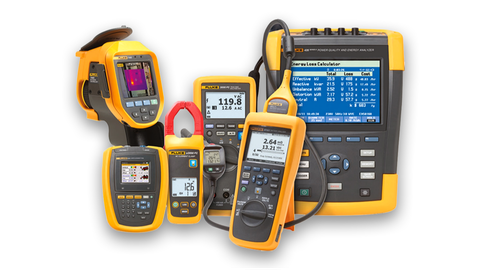
Test and measurement instruments are devices used to analyze, monitor, and evaluate electrical, mechanical, environmental, and electronic systems. These instruments help engineers, technicians, researchers, and manufacturers obtain accurate data to verify performance, detect faults, and maintain quality standards.
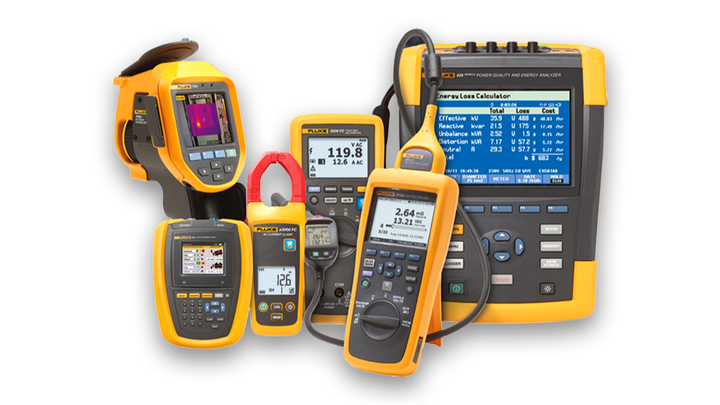
In modern industries, precise measurement is essential. From electronics manufacturing to telecommunications and automotive engineering, reliable testing ensures that systems function correctly and safely. Instruments such as oscilloscopes, multimeters, spectrum analyzers, and signal generators provide valuable insights into how devices behave under different conditions.
The development of these instruments has evolved alongside technological progress. Early measurement tools were primarily mechanical or analog devices. Over time, digital technology transformed the field, enabling higher accuracy, automated data analysis, and integration with computer systems.
Today, test and measurement technology is widely used across sectors including research laboratories, industrial production facilities, telecommunications infrastructure, and environmental monitoring systems. These instruments provide the data required for troubleshooting, product validation, compliance verification, and system optimization.
Common categories of measurement instruments include:
-
Electrical measurement instruments
-
Electronic testing equipment
-
Environmental monitoring devices
-
Mechanical measurement tools
-
Communication signal analysis instruments
Each category serves a unique role in analyzing system performance and ensuring operational reliability.
Why Test and Measurement Instruments Matter Today
Accurate measurement plays a critical role in modern technological ecosystems. As industries become more automated and digitally connected, the demand for precise diagnostics and monitoring has increased significantly.
Test and measurement instruments help organizations identify performance issues, maintain safety standards, and improve product quality. Without accurate testing, small design errors or electrical faults could lead to system failures or operational disruptions.
Several sectors rely heavily on measurement technologies.
Electronics and Semiconductor Industry
Manufacturers use testing equipment to validate circuit performance, signal integrity, and component reliability. Precision measurement ensures that electronic devices operate correctly before they reach users.
Telecommunications Networks
High-speed communication technologies such as 5G require advanced signal testing and network diagnostics. Measurement tools help engineers monitor bandwidth, signal strength, and network stability.
Automotive and Electric Vehicles
Modern vehicles contain complex electronic systems and sensors. Measurement instruments assist in evaluating battery performance, charging systems, and electronic control units.
Research and Scientific Laboratories
Laboratories depend on reliable measurement data for experiments, calibration processes, and technical analysis.
The growing complexity of digital infrastructure makes measurement tools more important than ever. Accurate testing improves system reliability, enhances safety standards, and supports innovation across multiple industries.
Recent Updates and Technology Trends
Over the past year, several developments have shaped the test and measurement industry. Advances in digital technology, automation, and data analytics continue to influence how measurement instruments are designed and used.
AI-Enhanced Measurement Systems (2025)
Recent developments in artificial intelligence have enabled automated fault detection and predictive diagnostics. AI-driven analytics can interpret measurement data more efficiently, helping engineers identify system anomalies quickly.
5G and Next-Generation Communication Testing (2025)
With the expansion of high-speed communication infrastructure in 2024 and 2025, testing equipment has been updated to analyze higher frequency signals and complex network architectures. Advanced spectrum analyzers and signal analyzers now support millimeter-wave frequency testing.
Remote and Cloud-Connected Measurement Platforms (2024–2025)
Many instruments now support cloud connectivity. Engineers can monitor test data remotely, enabling collaboration across laboratories and production facilities.
Portable Digital Measurement Devices
Compact handheld measurement tools have become more powerful and accurate. These devices are particularly useful in field diagnostics, maintenance operations, and environmental monitoring.
Integration with Industrial Automation Systems
Modern measurement instruments are increasingly integrated with industrial control systems and data platforms. This integration allows automated data logging, real-time analysis, and continuous system monitoring.
These developments demonstrate how measurement technology is adapting to new industrial requirements and digital infrastructure.
Regulatory Standards and Policy Considerations
Measurement accuracy is often regulated by national and international standards organizations. These standards ensure that measurement instruments provide consistent and reliable results.
In many countries, government agencies and standards institutions define calibration procedures, testing methods, and certification requirements.
Examples of regulatory frameworks include:
-
International measurement standards established by global metrology organizations
-
National calibration guidelines maintained by government laboratories
-
Industrial quality standards used in manufacturing and engineering sectors
In India, measurement accuracy and calibration practices are influenced by institutions such as national standards laboratories and metrology authorities. These organizations establish guidelines that laboratories and industrial facilities follow when calibrating testing equipment.
Key regulatory areas typically include:
-
Instrument calibration requirements
-
Measurement traceability standards
-
Laboratory accreditation procedures
-
Quality assurance documentation
Compliance with these standards helps ensure measurement reliability, data accuracy, and technical consistency across industries.
Tools and Resources for Measurement and Testing
A wide range of software platforms, digital tools, and technical resources support professionals who work with measurement instruments. These tools assist with calibration, data analysis, and measurement accuracy verification.
Common resources include:
-
Measurement data analysis software
-
Calibration management systems
-
Signal analysis applications
-
Engineering calculation tools
-
Instrument simulation platforms
The following table highlights common categories of tools used alongside measurement instruments.
| Tool Category | Purpose | Typical Users |
|---|---|---|
| Data Analysis Software | Interprets measurement results | Engineers, researchers |
| Calibration Management Systems | Tracks calibration schedules and standards | Laboratories, manufacturing facilities |
| Signal Processing Tools | Analyzes electronic signals and frequency data | Telecommunications engineers |
| Measurement Calculators | Supports engineering calculations and unit conversions | Technicians and engineers |
| Instrument Control Software | Connects measurement devices to computer systems | Test laboratories |
Many technical communities and engineering platforms also provide documentation, learning materials, and reference guides related to measurement systems.
Examples of useful digital resources include:
-
Engineering knowledge platforms
-
Electronics design communities
-
Technical documentation repositories
-
Measurement standard guidelines
-
Educational research databases
These resources help professionals stay informed about measurement techniques, instrument capabilities, and industry best practices.
Frequently Asked Questions
What are test and measurement instruments used for?
Test and measurement instruments are used to evaluate the performance of electrical, electronic, mechanical, and environmental systems. They provide precise data that helps engineers verify functionality, detect faults, and maintain quality standards.
What are common types of measurement instruments?
Some widely used measurement instruments include:
-
Digital multimeters
-
Oscilloscopes
-
Spectrum analyzers
-
Signal generators
-
Power analyzers
-
Environmental sensors
Each device serves a specific role in analyzing system performance.
Why is calibration important for measurement instruments?
Calibration ensures that measurement instruments provide accurate and reliable readings. Over time, instruments may drift from their original specifications. Calibration compares instrument readings with known standards to maintain measurement accuracy.
How has digital technology improved measurement tools?
Digital technology has improved measurement tools by enabling higher precision, automated data analysis, real-time monitoring, and integration with computer systems. Many modern instruments also support remote monitoring and cloud connectivity.
Which industries rely most on measurement technology?
Several industries depend heavily on measurement instruments, including:
-
Electronics and semiconductor manufacturing
-
Telecommunications and network infrastructure
-
Automotive engineering and electric vehicle systems
-
Aerospace and defense technology
-
Environmental monitoring and research laboratories
These sectors require precise measurement to ensure safety, performance, and compliance with technical standards.
Conclusion
Test and measurement instruments form the foundation of modern engineering, scientific research, and industrial quality assurance. By providing accurate data about system performance, these tools support innovation, safety, and reliability across many technological fields.
Advances in digital technology, artificial intelligence, and cloud connectivity continue to expand the capabilities of measurement systems. Modern instruments are not only more accurate but also more integrated with data platforms and industrial automation networks.
As industries adopt increasingly complex technologies, the role of precise measurement will remain essential. Engineers, technicians, and researchers rely on measurement instruments to validate designs, troubleshoot systems, and maintain high standards of technical performance.