Explore Riverside Penthouse in Rental: Overview, Basics, Details & Expert Advice
A riverside penthouse in rental refers to a high-rise residential unit located on the top floor of a building near a riverfront area, made available under a rental agreement. These properties are often part of mixed-use developments or luxury residential towers that combine modern architecture with scenic water views.
Riverside developments exist because urban planners aim to revitalize waterfront areas, improve city infrastructure, and create attractive residential environments. Historically, riverbanks were used for trade and industry. Over time, many cities transformed these zones into residential and recreational districts, making waterfront living part of the modern luxury real estate market.
A penthouse is typically positioned on the highest level of a building. It often includes:
-
Expanded terrace or balcony space
-
Panoramic river and skyline views
-
Premium interior finishes
-
Greater privacy compared to lower units
In a rental context, these residences attract individuals seeking high-rise residential property options without long-term ownership commitments. Riverside penthouses combine vertical urban living with proximity to natural elements, which has become a notable trend in the premium housing market.
Importance
Riverside penthouse rentals matter today for several reasons linked to urban growth, demographic changes, and lifestyle preferencesFirst, waterfront rental property demand has increased as cities expand vertically. Many metropolitan areas experience land scarcity, encouraging high-rise construction. Riverfront zones provide both scenic value and central connectivity.
Second, professionals, expatriates, and mobile households often prefer flexible housing arrangements. A penthouse rental allows access to luxury real estate market segments without long-term investment commitments.
Third, environmental awareness plays a role. Many modern waterfront developments incorporate:
-
Flood-resilient design
-
Energy-efficient construction
-
Sustainable drainage systems
-
Smart home integration
This category of housing also addresses several challenges:
-
Limited premium housing availability in dense urban centers
-
The need for high-security residential environments
-
Demand for integrated amenities such as fitness spaces and co-working areas
The table below compares key features of standard apartments and riverside penthouses within high-rise residential property developments.
| Feature | Standard Apartment | Riverside Penthouse |
|---|---|---|
| Floor Location | Mid or lower | Top floor |
| View Access | Limited | Panoramic river view |
| Outdoor Space | Small balcony | Large terrace |
| Privacy Level | Moderate | High |
| Natural Light Exposure | Standard | Enhanced |
This distinction explains why penthouses occupy a unique position in the urban property trends landscape.
Recent Updates
In recent months, several observable trends have influenced the riverside penthouse rental segment within the global luxury real estate market.
Urban planners have emphasized climate adaptation. Waterfront construction guidelines increasingly integrate elevated foundation systems and flood-mitigation architecture. Real estate developers have adopted smart monitoring technologies for water levels and structural safety.
Another noticeable shift involves hybrid work culture. Many residents now prioritize:
-
Dedicated workspace areas
-
High-speed broadband infrastructure
-
Flexible interior layouts
This has encouraged building operators to redesign penthouse interiors with multifunctional zones.
Data from property analytics platforms indicates that premium housing market segments in riverfront districts have shown stable occupancy patterns, especially in cities undergoing infrastructure modernization.
Green building certifications have also expanded across waterfront developments. Energy performance standards and water conservation measures are more visible in marketing documentation and regulatory filings.
Overall, the riverside property investment ecosystem has become more data-driven, technology-focused, and sustainability-oriented.
Laws or Policies
Riverside penthouse rentals are influenced by a combination of building regulations, zoning laws, environmental rules, and tenancy frameworks.
Key regulatory considerations generally include:
-
Floodplain zoning restrictions
-
Structural safety standards for high-rise construction
-
Fire safety compliance requirements
-
Energy efficiency mandates
-
Lease agreement regulations protecting both tenants and property owners
Waterfront areas often fall under special planning authorities due to environmental sensitivity. Developers must comply with river conservation norms, setback rules, and height restrictions.
Tenancy regulations typically define:
-
Security deposit limits
-
Maintenance responsibilities
-
Notice periods
-
Habitability standards
In addition, property management companies operating within high-rise residential property environments must adhere to safety inspections and operational compliance frameworks.
Understanding these legal dimensions helps residents make informed decisions and ensures transparency within the urban property trends landscape.
Tools and Resources
Several digital tools and informational resources assist individuals exploring riverside penthouse rentals within the premium housing market.
Property Research Platforms
-
Zillow – Offers market insights, rental comparisons, and neighborhood data.
-
Realtor.com – Provides listing analysis and price history information.
-
Magicbricks – Includes high-rise residential property listings and market trends in urban regions.
Mapping and Environmental Data
-
Google Maps – Useful for evaluating river proximity, connectivity, and surrounding amenities.
-
Flood Map Service Center – Displays flood risk zones for waterfront areas.
Financial and Legal Guidance Tools
-
Rental agreement templates available through government portals
-
Lease comparison calculators
-
Online energy performance certificate databases
-
Urban planning authority websites for zoning information
These resources support research into waterfront rental property compliance, environmental risk awareness, and real estate regulations.
Visual Overview of Riverside Penthouse Living
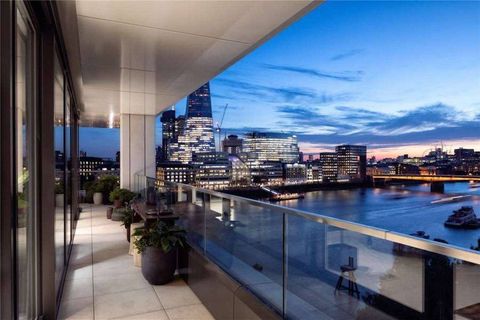
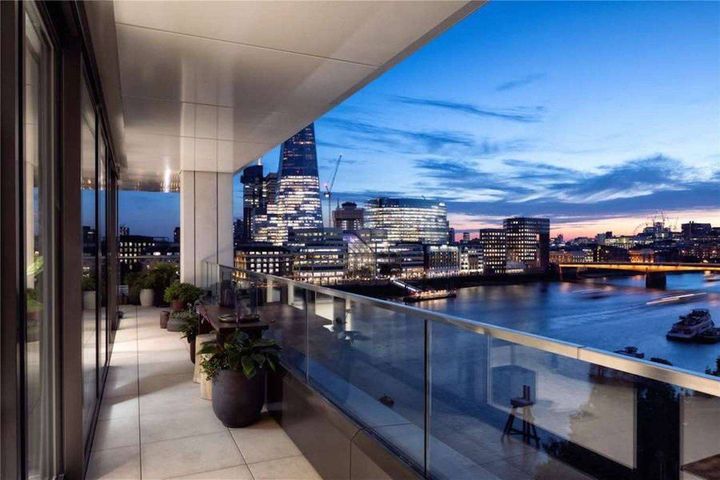
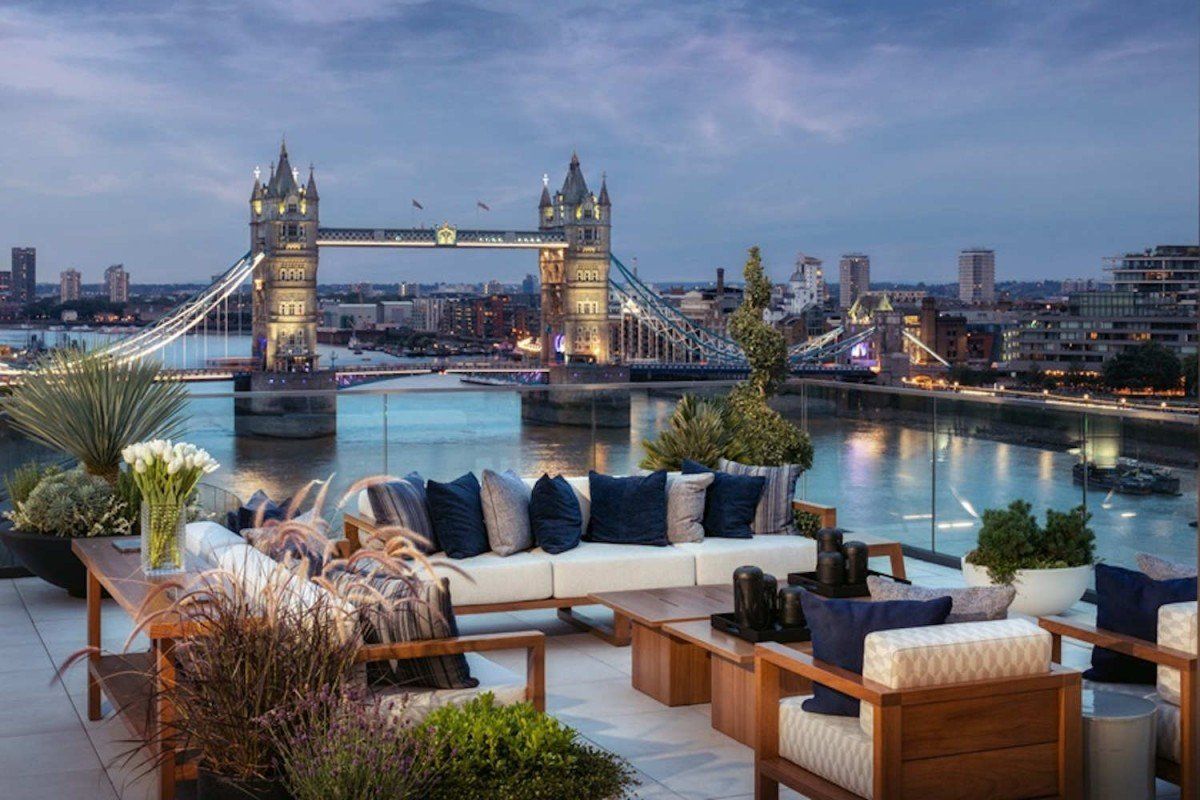
The images above illustrate typical characteristics such as elevated terraces, panoramic glazing, and proximity to water corridors. Architectural design often emphasizes light, ventilation, and integration with the riverfront skyline.
FAQs
What defines a penthouse compared to other high-rise units?
A penthouse is typically located on the top floor of a residential building and includes enhanced features such as larger outdoor spaces, improved views, and upgraded interior specifications.
Are riverside penthouses affected by flood risks?
Waterfront properties may fall within designated flood zones. Modern developments often incorporate mitigation measures, including raised structural platforms and advanced drainage systems. Checking official floodplain maps is recommended.
Do rental regulations differ for penthouses?
In most regions, tenancy rules apply equally to all residential units within a building. However, building management policies may vary based on property type and amenities.
What amenities are common in riverfront high-rise developments?
Amenities may include fitness facilities, landscaped decks, secure access systems, underground parking, and shared community areas.
How does sustainability impact riverside residential projects?
Many waterfront developments now follow energy-efficient design standards, water conservation practices, and green certification frameworks to reduce environmental impact.
Conclusion
Riverside penthouse rentals represent a specialized segment of the luxury real estate market. They combine high-rise architectural design with waterfront aesthetics, offering privacy, scenic value, and proximity to urban infrastructure.
The growing emphasis on sustainability, digital tools, and regulatory compliance has shaped how these properties are developed and managed. Understanding zoning frameworks, environmental considerations, and tenancy regulations is essential for informed decision-making.